

Countless lives could be saved thanks to multi-million pound government investment in a potentially breakthrough medical device.
Eight innovative technology companies will be supported to bring their devices to market as part of a £10m funding package to boost access to medical technology. It could help change treatment for some of the biggest causes of death and disability in the UK.
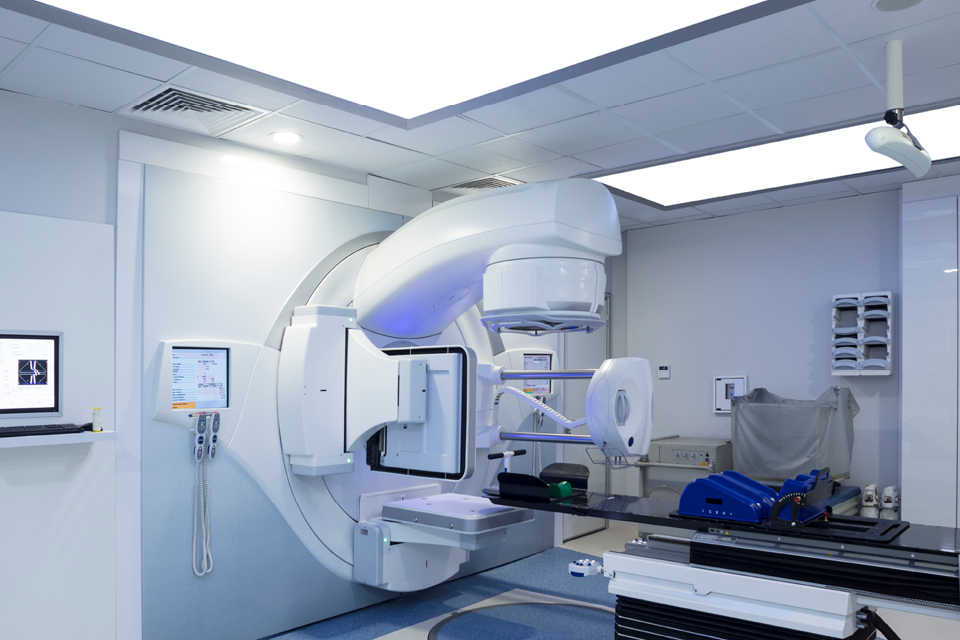
One of HistoSonics’ devices aims to use focused ultrasound to identify and destroy liver cancer tumors. These waves destroy tumors without damaging healthy tissue, providing a safer alternative to radiation therapy and other high-intensity treatments. This could improve the quality of life for many treated patients, reduce hospital visits and post-procedure complications, and make pain management easier.
Today’s announcement is part of the Government’s long-term plans to give the NHS and its patients faster access to new and breakthrough technologies. This follows last year’s publication of a ground-breaking blueprint to drive health technology in the NHS and turn innovation into real benefits for society.
Health Minister Andrew Stevenson said:
NHS staff need access to the latest technology to provide the highest quality of care to patients and reduce waiting lists. This is one of our top five priorities.
These cutting-edge technologies have the potential to help thousands of patients with conditions as diverse as cancer, stroke and Alzheimer’s disease, while alleviating pressure on hospitals and reducing healthcare disparities.
Our investment in these pioneering companies is part of our long-term plan to deliver a faster, simpler and fairer health system, and ensure the UK is the most innovative economy in the world. It demonstrates our clear commitment to ensuring that:
A company is developing a blood test for Alzheimer’s disease. This means patients can be identified and treated earlier. Roche Diagnostics has developed a blood test, the Amyloid Plasma Panel, to help clinicians decide whether patients with cognitive impairment should undergo tests and imaging to confirm Alzheimer’s disease. .
Upfront Diagnostics’ portable blood test could help emergency personnel identify stroke patients more quickly. Currently, paramedics are unable to recognize patients whose blood clots are blocking the flow of blood and oxygen to the brain and who require emergency treatment at a stroke center rather than a local hospital.
Blood tests can help recognize these cases on the spot. Therefore, patients may be taken to a comprehensive stroke center for immediate critical treatment. It could mean thousands of people being spared long-term disability and the costs of care that come with it, while easing pressure on A&E departments across the country.
Dr Mark Bailey, Chief Science and Innovation Officer at the Medicines and Healthcare products Regulatory Agency, said:
We are very excited to announce the final eight technologies selected for the new IDAP pilot scheme. It aims to explore how support from regulators, UK health technology agencies and NHS bodies can accelerate the development of innovative medical devices, from initial proof of concept to uptake in the NHS. The purpose is
Pilot standards prioritize patient needs in all aspects of decision-making and reduce pressure on health systems by supporting innovative medical technologies. Most importantly, this is a potentially life-changing endeavor for many patients.
We are committed to being the regulator that establishes the UK as a hub for medical innovation and look forward to working with the wider health system to achieve this.
This funding is part of a radical new program called Innovative Device Access Pathways (IDAP), which aims to bring cutting-edge technology and solutions to the frontline of the NHS. Currently in the pilot phase, this funding will be used to test new technologies that can be used at scale as quickly as possible.
The Government is investing £10m in the pilot as part of a wider program of work to boost access to health technology. The program is run by the Medicines and Healthcare products Regulatory Agency (MHRA), the National Institute for Healthcare Excellence (NICE), NHS England, Health Technology Wales and Scottish Health Technology Group. They provide tailored and focused advice on regulatory approvals, medical technology assessments and NHS access.
Janet Kussel, director of NICE Advice, said:
NICE’s goal is to bring innovation to health and care professionals and enable best practice in health and care treatment.
Through IDAP and our support service NICE Advice, we aim to be your trusted advisor, providing tailored advice, supporting businesses throughout their product lifecycle, helping them realize their ambitions and supporting the NHS. and help bring the best innovations into the hands of patients.
Lenus Health Ltd. uses artificial intelligence to predict which patients are at risk of being hospitalized with chronic obstructive pulmonary disease, which narrows and damages the airways and causes difficulty breathing.
The company collects data from wearable devices, sensors, and apps and uses AI to predict which patients are at higher risk of hospitalization. This allows patients to be monitored and treated more effectively while reducing the burden on hospitals.
Another device aims to reduce inequalities in the field of lung health. Oximeters (devices held on the end of a fingertip) are widely used in hospitals and homes to assess how well the lungs and circulatory system are functioning. However, research has shown that this technology may not be able to accurately detect low oxygen levels in people with darker skin.
EarSwitch has developed a device that detects oxygen levels from the unpigmented internal and external auditory canals, regardless of a person’s skin color. This could provide higher quality measurements and a more innovative approach to oxygen level monitoring.
Vin Diwakar, Interim National Director for Transformation at NHS England, said:
This means that the NHS has already rolled out more than 100 new treatments through its Cancer Medicines Fund and launched a dedicated program to prepare for new Alzheimer’s diseases, and that the NHS will continue to bring even more of the best new technologies and treatments to bear. This is an important milestone in our efforts to ensure we continue to rapidly deliver to patients. Once approved, we will begin treatment.
We will work closely with our partners to support the companies selected for the pilot and ensure that more innovative life-saving technologies are introduced into the NHS quickly and safely.
Other technologies set to benefit from some of the funding include:
- Multiple Sclerosis Fatigue App: Avegen Ltd. develops a new smartphone app that delivers exercise, cognitive behavioral therapy and targeted physical activity in a personally customizable format to help patients manage multiple sclerosis (MS) Did.
- Self-test for neutropenia: 52 North Health. has developed a new device that allows chemotherapy patients to self-test for neutropenic sepsis at home using a finger-prick blood test. This is a life-threatening condition for patients with suppressed immune systems.
- Algorithmic infection predictor: Systemic inflammatory response syndrome (SIRS) is a life-threatening medical condition caused by the body’s overwhelming response to infection and inflammation. Presymptom Health Ltd. has developed a new test and algorithm that has the potential to predict infection status up to three days before traditional diagnosis is possible.
Dr Susan Miles, Health Technology Director for Wales, said:
Health Technology Wales is proud to have played a role in the selection of eight pilot IDAP technologies that have the potential to support clinicians across the UK and improve the lives of patients.
We look forward to continuing to support the NHS in introducing innovative medical technology.