

Sunday, February 18, 2024 8:32am

Mike Maynard says high levels of volatility are making tech investors uncomfortable
There have been more than 5,000 layoffs in the tech industry this year, dashing hopes that the euphoria that sparked 2023 will end in January. But analysts say better times are yet to come. The industry is expected to grow this year, with demand for certain technology jobs reaching “very” high levels, according to at least one job site. The technology industry has clearly experienced ups and downs. But will this year be a boom year or a bust year? And what does that mean for people, customers and investors?
Of course, there are always boom and bust cycles in technology. And it used to be much rougher than it is now. For example, the semiconductor industry experienced wild fluctuations at the turn of the century. During tough times, companies didn’t build their own semiconductor manufacturing plants, or wafer fabs in industry parlance. Then, as the economy improved, so did they. However, this took time, and once the plant was completed, there was overcapacity. Prices fell and things got tough again.
These boom-and-bust periods erode trust and give the impression that the industry is not fully in control. Needless to say, such instability leads to overemployment and subsequent layoffs. In 2023, tens of thousands of employees at some of the world’s largest technology companies lost their jobs. And unsurprisingly, workers are less sympathetic towards their former (and often current) employers. The Alphabet union called Google’s recent layoffs “unnecessary.” Layoffs create great uncertainty. This is one reason why companies that have to lay off many employees should do so all at once.
This also threatens future talent. Companies may hire in one area and fire in another. Roles in AI, data science, data infrastructure, and cybersecurity are all highly desirable. But regardless of your skills, people looking for their next position will only see companies that lay people off. No one likes job insecurity, and when an industry is in flux, no job feels secure.
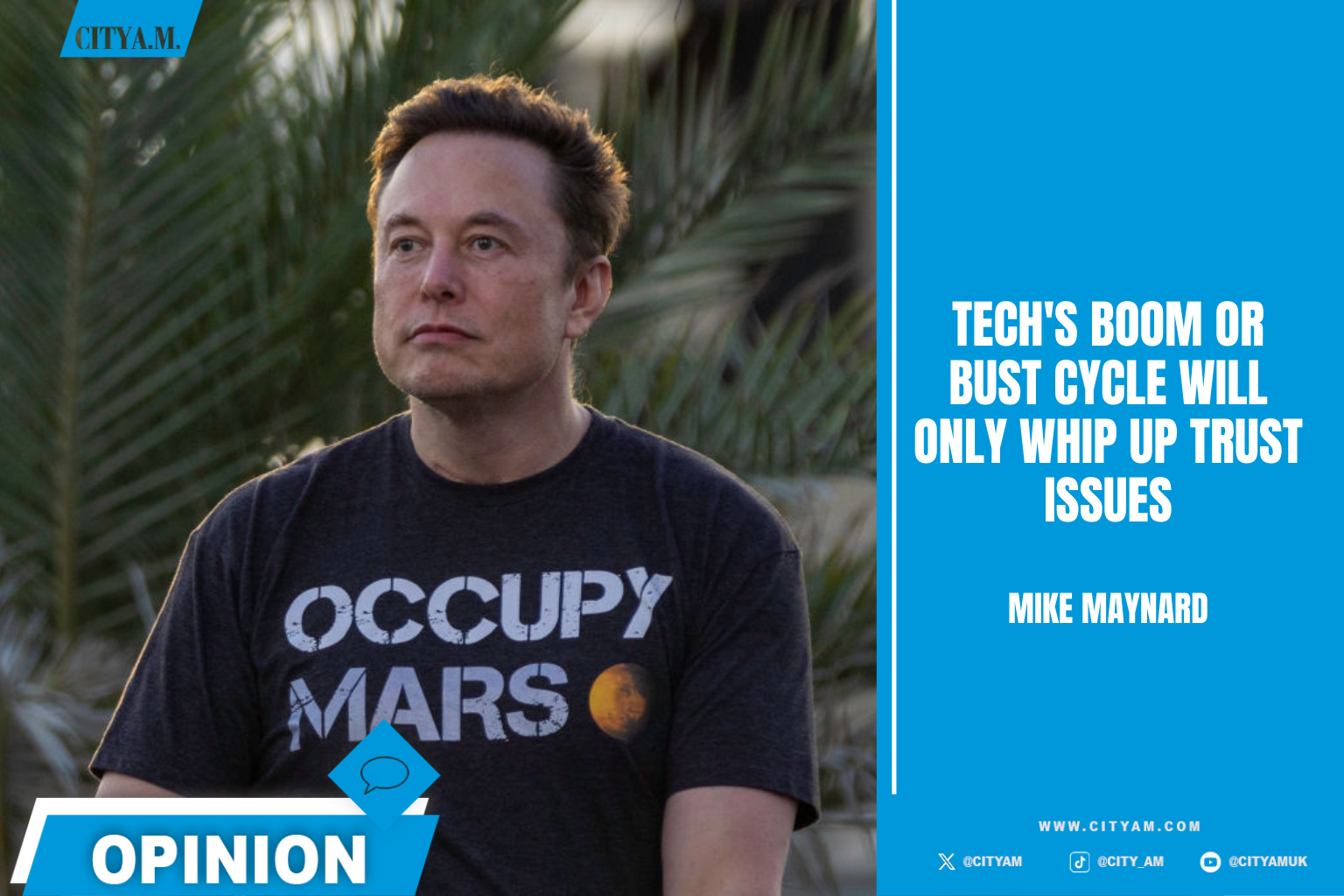
Customers can also feel confused during these times. In some cases, they may boycott companies that they believe treat their customers poorly. The layoffs at the company formerly known as Twitter may have less to do with changes in the industry and more to do with Elon Musk’s grand plans. But once the apparent ruthlessness of the layoffs became clear, many people left the platform, and some were reluctant to support the company.
Investors also hate booms and busts, which is part of the reason why they happen. A company’s valuation is not only based on ordinary profits. They are primarily driven by expectations for the future. Consider the hype surrounding the Metaverse. Inflated expectations led to soaring valuations, companies started hiring like crazy, and valuations plummeted as investors and the rest of the world decided the Metaverse wasn’t the future. A similar phenomenon was observed during the coronavirus pandemic. Investors believed remote work was the future and drove up company valuations. Now that people are returning to the office, those companies (Zoom, for example) are seeing a decline in valuations.
This is one of the reasons why the AI field is interesting. Currently, investors almost always overvalue it. Companies are hiring people for AI-related roles, but when it becomes clear that there isn’t much shareholder value in them, layoffs will occur. What confuses the AI debate is that some companies (those with the right infrastructure in place) take full advantage of AI, and their investors reap significant benefits. As with companies that invest in other disruptive technologies, such as social media companies like Facebook, investors stand to reap significant profits. Friendster did. But for other companies, it will look like boom to bust, and that will be reflected across the industry.
Most people find volatility and sudden changes unpleasant. When everything is unpredictable, it is difficult to feel secure, let alone make decisions about the future. And this is why the tech industry’s boom and bust cycles are undermining trust across the board.
They make it seem as if this industry is out of control, full of big egos and 20-something millionaires, all chasing the brightest advances with no concern for anything or anyone else. Masu.