

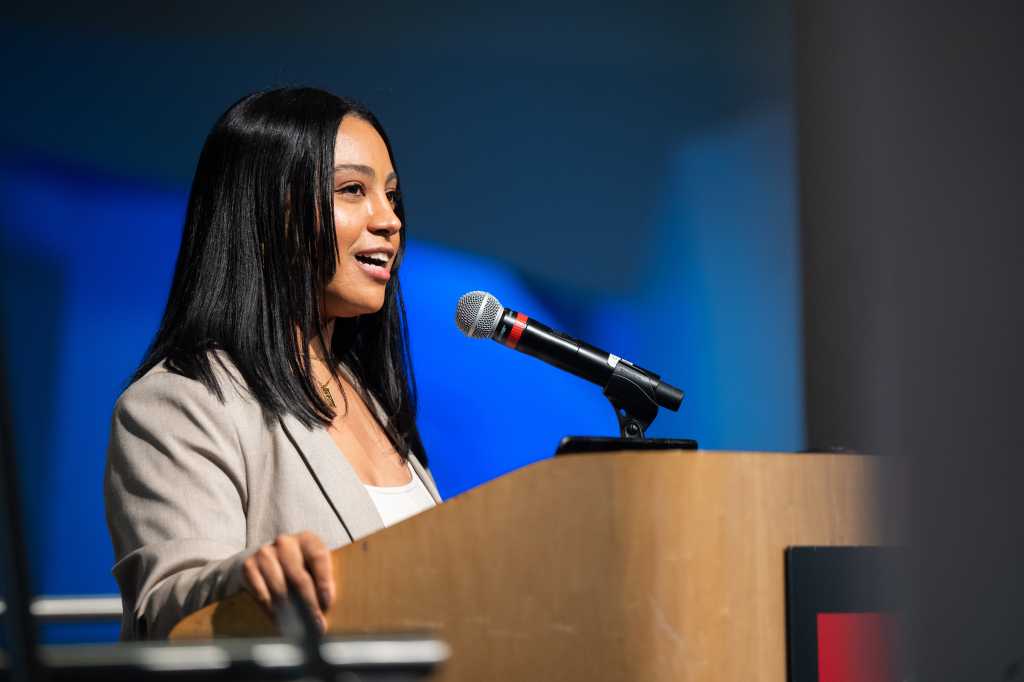
Chandler admits that when interviewing with companies, he has no choice but to do what he’s told. And while she believes this process will help her “mitigate harm,” she also understands that she “cannot promise that it will be prevented.”
Still, identifying red flags right away is critical to her mission. These red flags include not having a DEI strategy, or if the values aren’t reflected in the company culture and come across as lip service. Another red flag is an organization that doesn’t seem interested in feedback, growth, and learning. Black tech professionals are best suited for companies that are truly open and committed to improving diversity, equity, and inclusion across their organizations.
Focus on feedback and community
Chandler points out that this feedback element is essential to retention. As part of the vetting process, Chandler asks company representatives whether they collect feedback, what they do with the data, and whether any discernible adjustments have been made as a result of this information. Companies that invite and accept feedback and use it effectively are more likely to foster an environment where Black employees can thrive.
“[These companies] They know they have to do better, they want to do better, and they want to learn,” she says.
As part of the hiring process, Chandler stays in touch with candidates during their first 90 days on a new job, conducting biweekly check-ins to ask about their experience and see where the company can improve. . In a sense, she acts as a mentor to new employees, providing support and guidance as they approach their new jobs and settle into their new environments.
This support and mentorship provided by Chandler and the large BTP network is critical for Black technology professionals, especially those who are the only Black person on their team. Chandler said many new hires, and Black engineers overall, feel they have to work harder than their non-Black colleagues and are often held to higher standards.
“When they make mistakes, it weighs on them more than others, and they are let go sooner than anyone else,” she says.
This pressure often makes it difficult to land a new position. It’s impossible to truly understand a workplace culture until you’re actually in the position. Chandler’s goal is to identify organizations that understand the emotional strain of being the only or one of the few Black people on a team or in an entire organization, something new to new hires. Our goal is to help you avoid this. Companies that don’t create welcoming and equitable spaces for Black tech workers, or that don’t seem interested in identifying problems within their organizations, can’t use her services.
“It’s a company’s responsibility to want to change, it’s a company’s responsibility to want to face those biases, learn and do better. But when you’re dealing with humans, there’s only so much you can do. . It’s not a technical problem, it’s a human problem,” she says.
Black tech workers, who work in largely white spaces in the tech industry, can overcome microaggressions and hostile work environments, use their mental energy to code-switch, or simply share which true parts of themselves with society. You have the additional mental load of trying to understand what you can bring to the table. workplace. This can be exhausting and demoralizing, especially when juggling the responsibilities of a full-time job. Black Tech Pipeline helps alleviate some of this burden by building a community for Black tech professionals. Black tech professionals can connect with others in-person or virtually and find colleagues and mentors with the shared experience of being Black in the tech industry. .
“It brings comfort to people. It’s a safe space where you can ask questions, talk about different experiences, ask about how to go about something. Basically, that’s what we’re here for.” And we don’t put any restrictions on access to that information or advice,” says Chandler.