


Sign up for our breaking news emails to get real-time breaking news alerts sent straight to your inbox for free
Sign up for free breaking news emails
The World Trade Organization opens its biennial meeting in the United Arab Emirates on Monday, as the country faces pressure from the United States and other countries ahead of a year of elections around the world.
The WTO’s 164 member countries are scheduled to discuss agreements on issues such as banning subsidies that contribute to overfishing, extending the suspension of taxes on digital media such as movies and video games, and agricultural issues.
But headwinds persist for organizations and the global economy, particularly as countries continue to recover unevenly from the coronavirus pandemic. Meanwhile, there are more than 50 elections scheduled this year that will affect half of the planet’s population, and perhaps none will be more important to the WTO than the November 5 US presidential election.
Running again is former President Donald Trump, who threatened to pull the United States out of the World Trade Organization and repeatedly imposed tariffs on perceived allies and enemies. Trump’s victory could once again disrupt global trade.
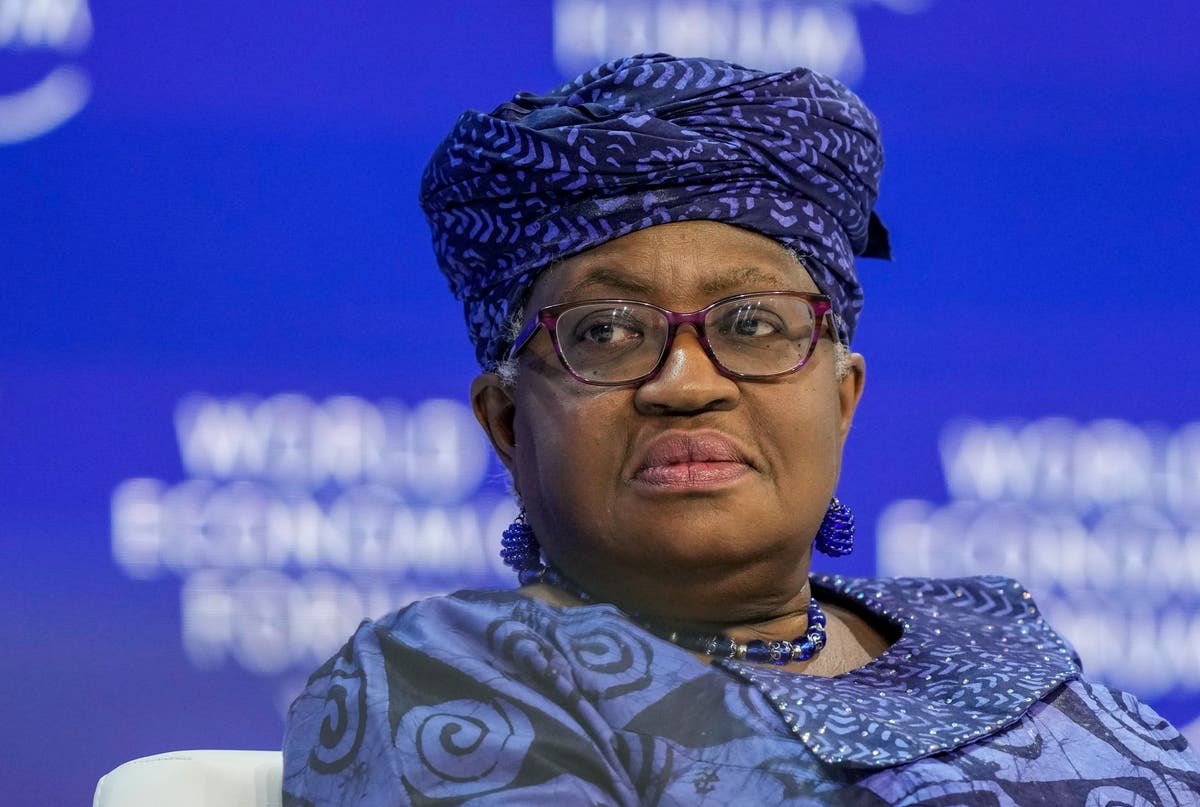
WTO Director-General Ngozi Okonjo-Iweala, a dual citizen of Nigeria and the United States, maintains that the WTO remains important as 75% of world trade is conducted under WTO terms.
“Our focus at the WTO is, regardless of when and who is in power, what are the appropriate reforms that we need to make,” Okonjo-Iweala said earlier this month. ”, insisting that the significance of the trade organization would be maintained. “If we get to what you’re saying, where the WTO becomes irrelevant, everyone will be in trouble, including you and me.”
However, even if President Joe Biden is re-elected, the United States has deep concerns about the WTO. The United States has blocked appointments to the appellate court under the past three administrations, and the appellate court is no longer functioning. Washington said judges too often overstep their authority in deciding cases.
The United States also criticizes China for still calling itself a developing country, as it did when it joined the WTO in 2001. The United States, Europe and others say China unfairly blocks access to emerging industries, steals technology from foreign companies or pressures them to hand over technology. The United States also says China is flooding global markets with cheap steel, aluminum and other products.
Then there is the voting format of the WTO itself. Important decisions require consensus. This means that countries must actively vote in favor of the proposal for it to take effect.