

One of Esmeraldas’ signature dishes is “Encocado“Coconut stew with blue crab.” Encocado “Crab and coconut are powerful symbols because they are the defining foods of this region,” says Guevara. In addition to blue crab and coconut, this dish includes annatto seed paste and coastal herbs, chilangua (long coriander), chirangua (basil), and the blue crab recipe, which preserves and increases demand, helps local communities sustain the crustacean. This will further increase incentives to harvest mangroves and protect mangrove habitats.
According to Guevara, preserving seeds and foodstuffs that are in danger of disappearing from cultures requires, in addition to growing them in environmentally sustainable ways, preserving the food traditions that accompany them. It is said to be important. “The foods we are trying to preserve are in low demand because people have forgotten their traditions. These foods are no longer in our homes, in our supermarkets, on our menus. These recipes are no longer made. “I haven’t,” she says.
assignment
Despite Esmeraldan’s best efforts to protect blue crabs, their vulnerability to earthquakes, major flooding, and El Niño weather patterns is hampering their progress.
Ecuador’s mangroves provide a natural buffer against storms and extreme weather events like El Niño. Prevent sea level rise, stabilize coastlines and reduce erosion. So when large tracts of mangroves were destroyed to build shrimp farms in the 1970s and 1980s, the natural defenses of local communities were also destroyed, making them even more vulnerable to extreme weather events. Last year’s floods filled crab feeding grounds with mud and water, killing all the crabs the Esmeraldans had collected.
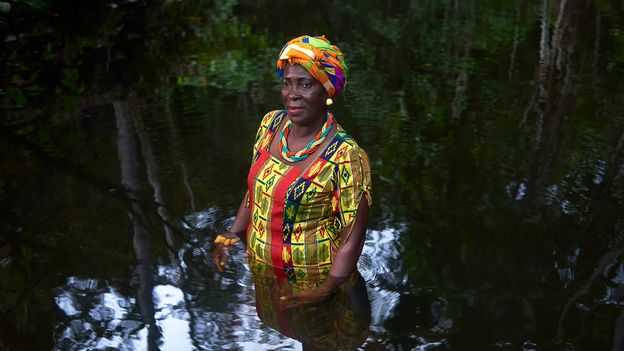
Caicedo, now 65 years old, is a former teacher, poet, and leader of the black women’s movement in northern Esmeraldas (Momune). She is a custodian of Afro-Ecuadorian traditions, including the values of mangroves, blue crabs, and Esmeraldan cuisine. Although she no longer collects shellfish in the mangroves, her writings still pay homage to her early years spent in the mangrove forests and waterways carved into the landscape of the Esmeraldan coast. .
Many of Caicedo’s poems reflect the Esmeralda people’s relationship with mangroves and the food they provide, making them part of their identity and perceptual world.
Through the act of harvesting and cooking blue crabs, Esmeraldans engage with each other and the land, experiencing all the sensory richness of the land through sight, smell, and taste. Caicedo’s poetry ensures that the traditions and values of her community will not be lost.
“My poems speak of our strength as women and have the potential to build new stories with our own lyrics,” Caicedo added.
—
Sign up for Future Earth
Sign up for the Future Earth newsletter Receive important climate news and hopeful developments in your inbox every Tuesday from Karl Nassman. This email is now available to readers outside the UK. In England? Sign up for our newsletter here.
If you liked this story, Sign up for the Essential List newsletter – Hand-picked features, videos and can’t-miss news delivered to your inbox every Friday.
Join 1 million Future fans by liking us on Facebookor follow us twitter or Instagram.