

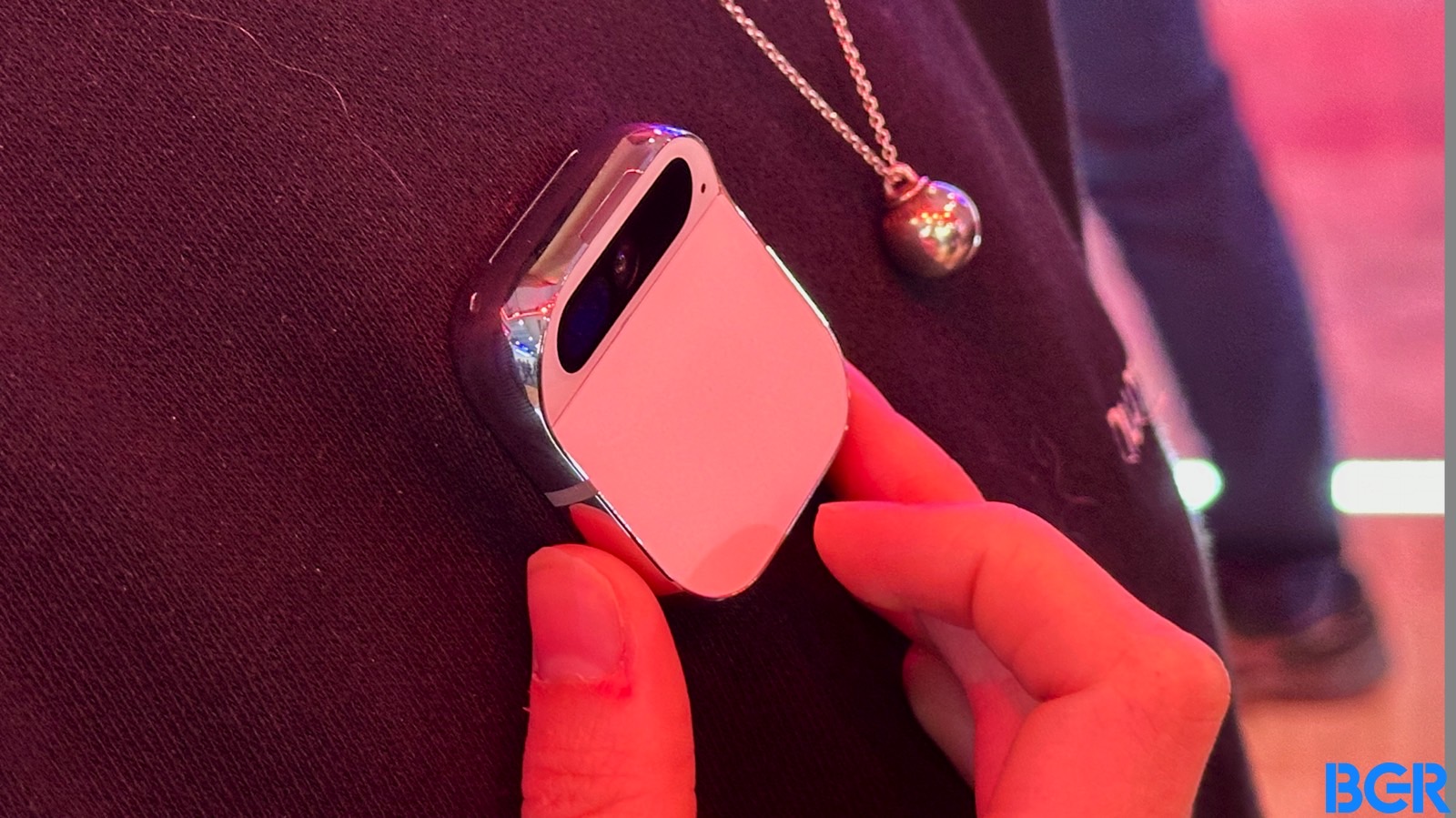
This year we are thankful for the launch of Humane Ai Pin and Rabbit r1. These “not-phone” gadgets are set to bring AI to the forefront. But each of them represents a different type of failure. Still, I’m grateful to both of them for opening our eyes to the reality of AI hardware. There are some ideas that look pretty, but they’re all pretty terrible.
It’s not just genAI models that aren’t ready to provide the kinds of experiences these gadgets want to offer. The technology is not ready for devices that will allow companies to build small, always-on, internet-connected AI devices with sufficient battery life and top-of-the-line specs.
Considering this alone, does the “AI iPhone” (representing the disruptive hardware that every company in the industry must pursue) have to look and behave just like a regular old smartphone? A question arises. Sam Altman and Jony Ive are said to be working on an artificially intelligent iPhone for ChatGPT. The AI gadget reportedly needs at least $1 billion in funding to become a reality.
Personal AI experience
In a recent interview, OpenAI CEO Sam Altman described the ChatGPT AI experience I hope to see in the near future. This is a personal AI assistant that knows things about me and helps me with whatever I need at that moment. Altman said AI’s killer app is “an extremely capable colleague who knows absolutely everything about my life, every email, every conversation I’ve ever had, but doesn’t feel like an extension.”
Altman also said in the same interview that such an AI experience doesn’t necessarily require new hardware. But he teased that it would be nice to have a dedicated AI gadget to be this personal AI assistant.
However, he clarified that while he is a fan of hardware products in general, hardware is “far from” his expertise. Altman stopped short of poking fun at the rumors we’ve been hearing about his ChatGPT hardware, and also denied that he’s making any AI gadgets.
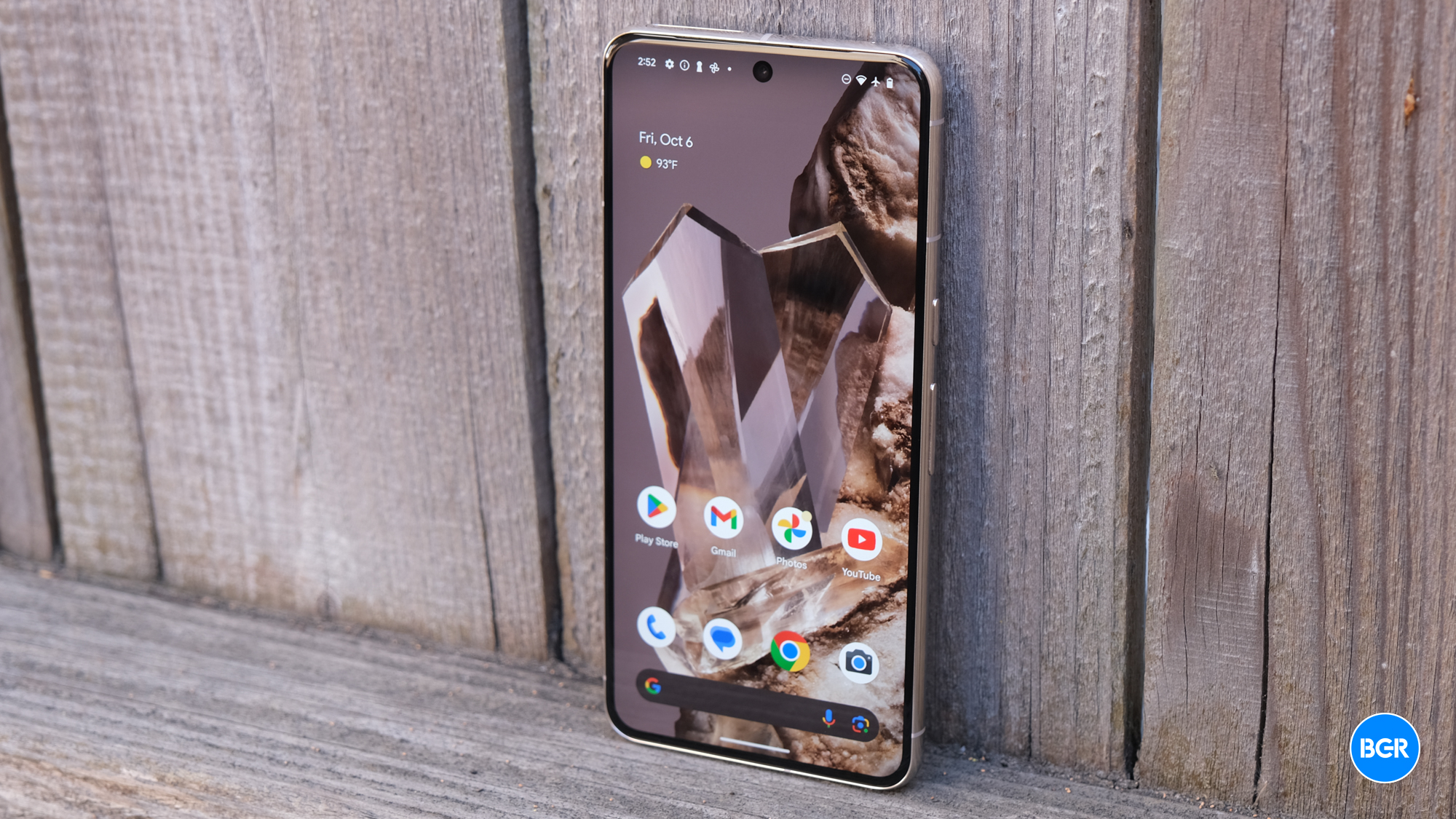
Meanwhile, Google is launching a $500 Pixel 8a phone that will be marketed as an AI phone. It will have all the AI features of the Pixel 8 smartphones, including support for Gemini.
Separately, Apple CEO Tim Cook teased that the iPhone maker is serious about generative AI and will soon introduce its own genAI experience.
Remember too that Samsung used a big AI marketing angle for its Galaxy S24 series this year. Thanks to this suite of Galaxy AI features, Samsung may have been able to sell more flagship phones than it did last year.
What I’m saying is that we’re no longer in the early stages of generative AI experiences. Leading companies in the technology industry are transforming their hardware products to support genAI. This includes on-device AI experiences, more advanced models, and the early stages of personal AI.
Why Humane and Rabbit failed
Companies like OpenAI may soon need to bring their AI products to hardware. Home where ChatGPT is not available as a third-party app but is built into the software.
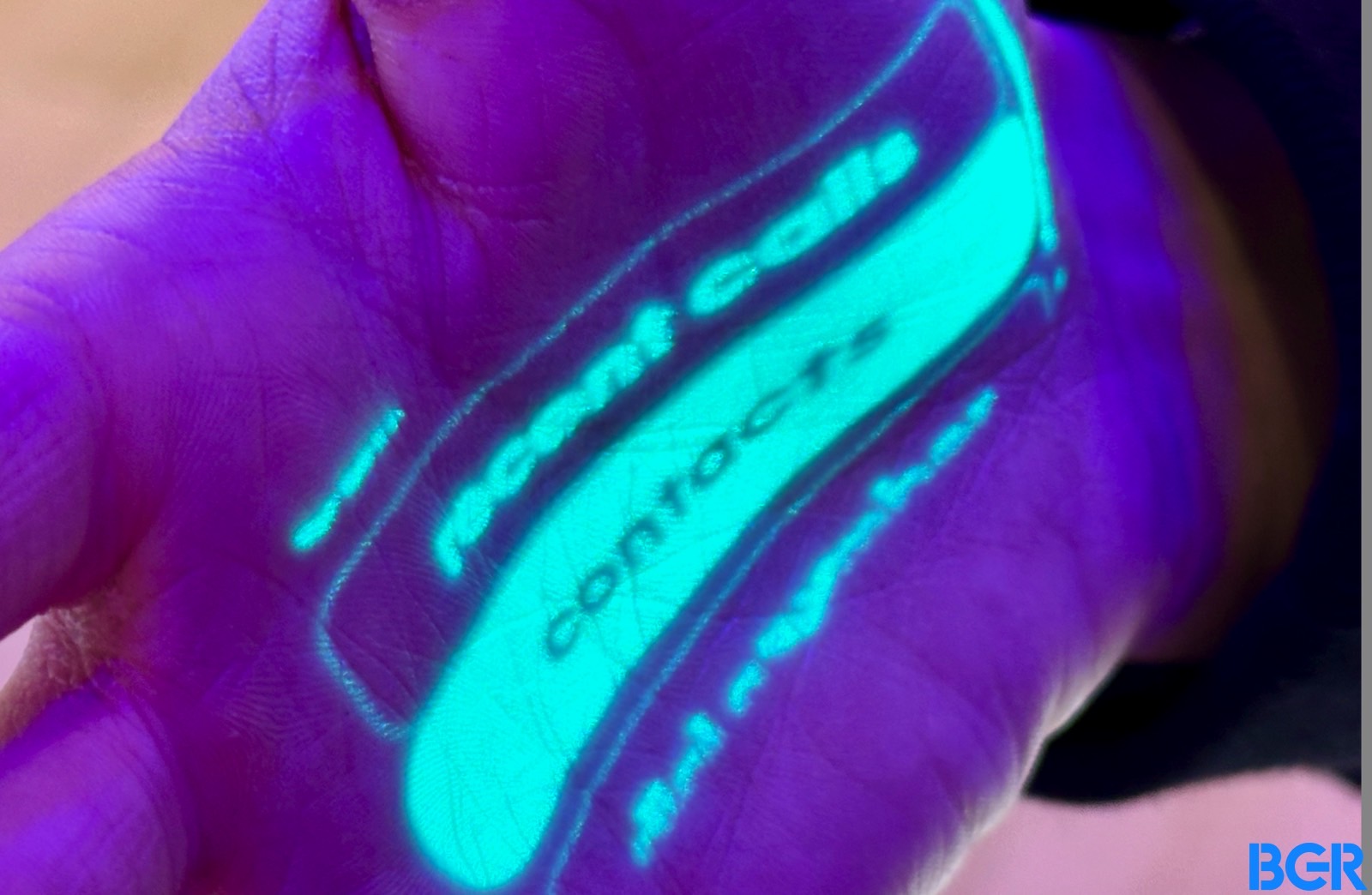
Returning to the Human Love Pin and Rabbit R1, I will briefly explain why most of them are disappointing for the time being. I was impressed with the demo of his Ai Pin I got at her MWC, but the reviewer who tested it was not impressed with the experience.
Battery life was an issue for a device that had to be worn all day. The lack of a display is also a glaring issue I noticed during the demo. Entering an account and password is a pain, but the Ai Pin could benefit from a display or fingerprint sensor. A larger footprint also means better battery life.
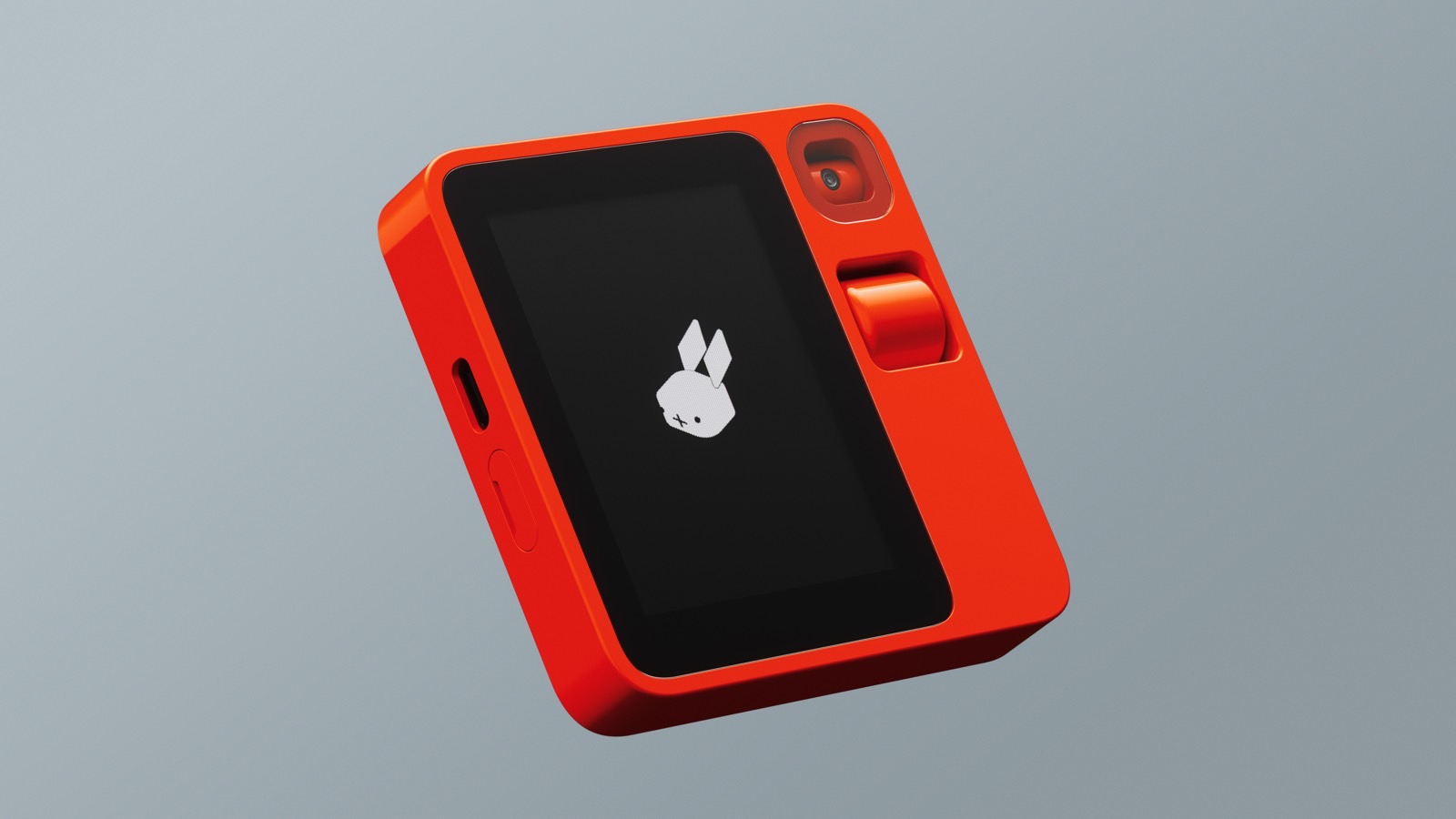
Rabbit r1 is even more disappointing. It has unique features that cannot be replicated by any of the genAI products out there. r1 can control (some) apps. This is a precursor to the personal AI experience I’m looking for.
But it turns out that r1 is an Android device. Like the Ai Pin, it has a SIM slot, so it’s essentially an Android phone that can run one app.
All of this makes me wonder if Altman and Ive will be able to create a revolutionary iPhone powered by artificial intelligence within a few years without giving the product a smartphone design.
What does a ChatGPT device have to offer?
Altman-Ive gadgets need to be large enough to include a suitable battery, and cloud AI capabilities require fast 5G connectivity. Few of us are in a position to deliver Altman’s sophisticated personal AI experience on a mobile device by processing everything on the device.
You need a high-end camera to see what you can see. Your gadget should also have a top-of-the-line microphone and speakers so you can easily interact with your assistant by voice.
You also need an easy way to log into your account, and biometrics may be the obvious answer. Consider a fingerprint sensor or her 3D facial recognition sensor.
I also say that this gadget needs a display, even if it’s small, for any action that requires something to be displayed.
Finally, you need a fast and secure operating system. It runs on a high-end chip that combines high-end memory and storage.
All of this adds up to the fact that ChatGPT devices that can provide a personal AI experience don’t come cheap. I’ve touched on that in the past. Mobile AI devices require high-end specs. And I’m willing to pay that price.
It’s easy to see where I’m going with this. If the Altman-Ive project really takes off, it’s hard to see it becoming anything other than a smartphone. If it has any chance of success, it will need to offer all the same features as a regular old smartphone, even if it looks a little different.
Until then, the “AI iPhone” could be an Apple iPhone, a Pixel, or another Android smartphone. We don’t even know how long it will take for ChatGPT products to hit store shelves.