

Image credit: Gulf Business
This year’s Mobile World Congress (MWC) in Barcelona, Spain showcased a variety of weird and wonderful technologies. We visited the site and confirmed the concept and product firsthand.
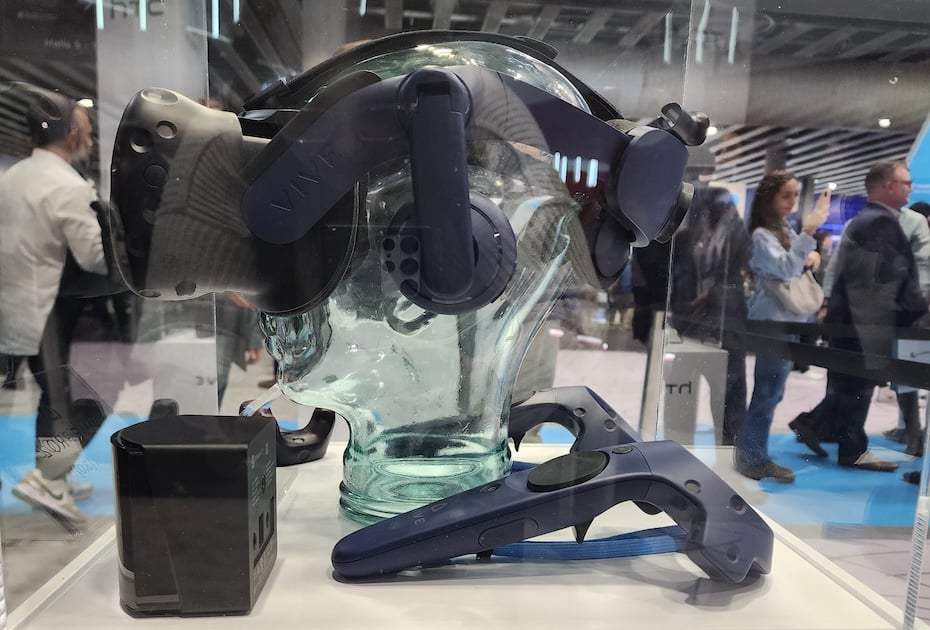
What caught our attention? Xiaomi’s new phones and cars, a flying car concept from California, Samsung’s smart ring, Lenovo’s jaw-dropping phone and see-through laptop screens that can be wrapped around your wrist, Oppo’s smart glasses and HTC’s wearables headset.
Here’s what we thought about them.
Lenovo’s transparent laptop at MWC 2024
The title of the strangest thing in our book is Lenovo’s laptop with a crystal clear screen.
Aptly titled “Project Crystal,” Lenovo calls it the world’s first laptop with a transparent microLED display. Unlike traditional laptops, Project Crystal features a transparent microLED panel, offering a glimpse into the future of display technology.
Although there are no plans for retail production at this time, the device serves as a prototype commissioned by Lenovo’s ThinkPad division to explore the potential of transparent micro-LED panels and AI integration.
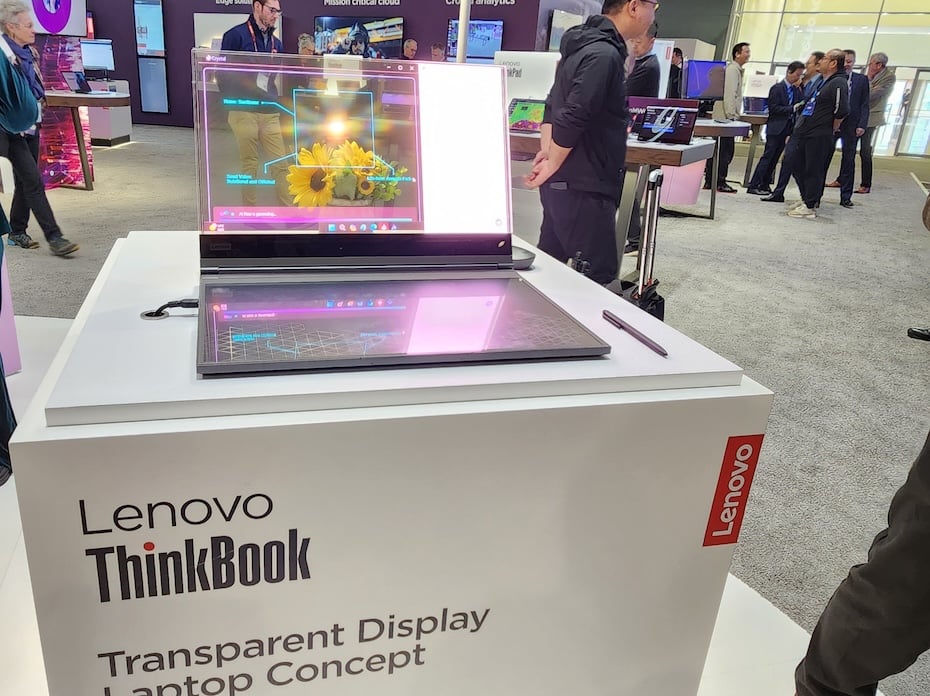
The primary use case envisioned for Project Crystal is information sharing in a variety of environments, such as a doctor’s office or hotel desk. The ability to flip the display via software allows users to easily share content with individuals on the other side of the screen without having to physically flip the display.
flying car
The second strange award-winning concept is the promise of flying cars. California’s Alef Aeronautics exhibited his prototype of the Model A miniature at his MWC in Barcelona. Aleph said it resembles a real car with a mesh shell that protects the inner rotors to allow air to flow through the vehicle, and has already received nearly 3,000 pre-orders.
The vehicle is designed as a two-seater and fits into regular driving lanes, parking spaces, and garages. It has the dual functionality of driving on the road and taking off vertically into the air if necessary, with the driver and cabin stabilized by a gimbal rotation design.
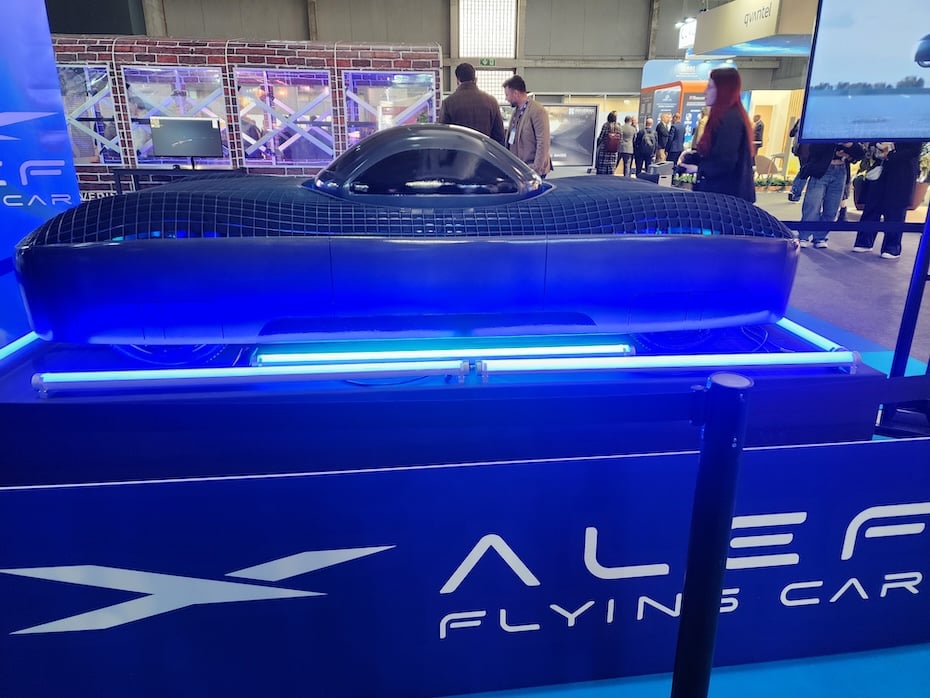
The driver must be able to fly in any direction with the aim of “avoiding problem areas on the ground by flying over them.” This vehicle’s current price is $300,000.
samsung ring
The South Korean tech giant’s latest wearable product, the Galaxy Ring, straddles the line between weird and wonderful. Here’s why:
It looks pretty and comes in three metal tones: gold, silver, and black. But having a small gadget that straddles the line between accessory and wearable made the author uncomfortable.
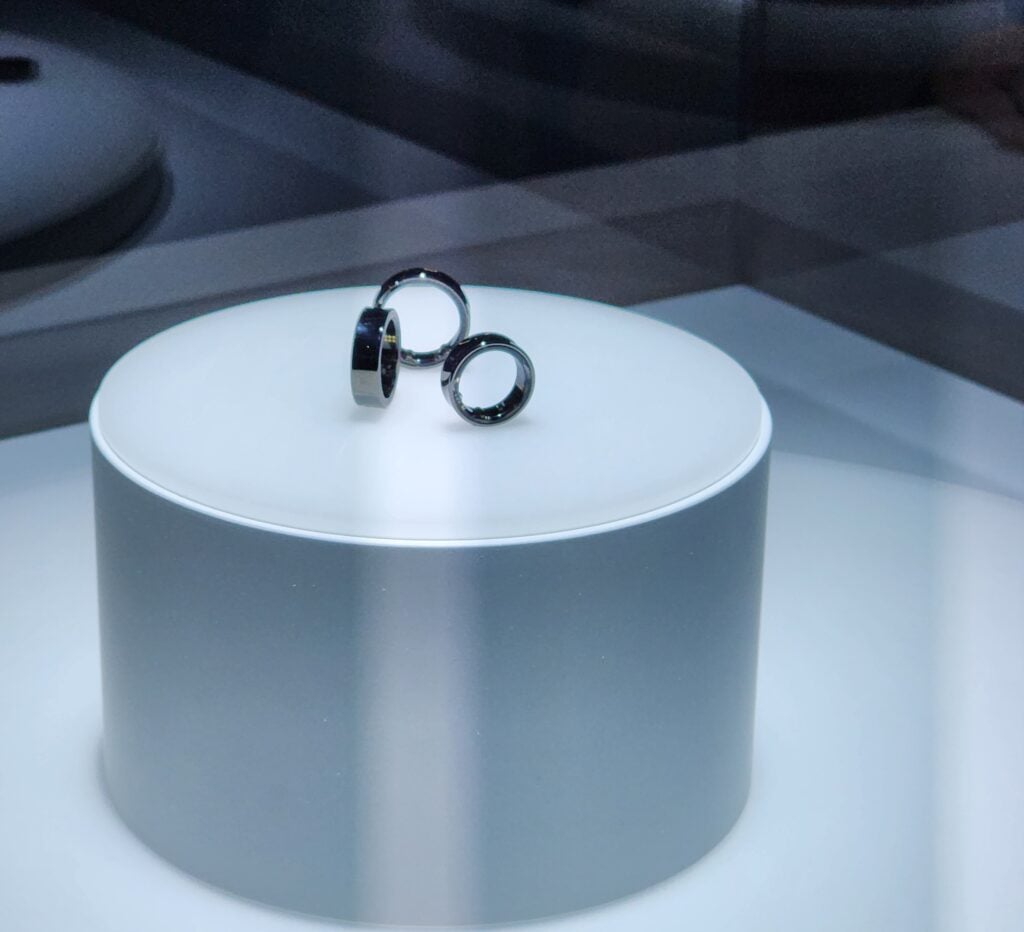
The main focus of this ring is to track health metrics such as sleep health, activity, resting heart rate, and heart rate variability. In addition, the ring adds skin temperature and fertility tracking. TMI anyone?
Motorola’s foldable and unbendable cell phone
Moving beyond foldables, Motorola’s bendable cell phone has arrived. Adaptive display concept. Introducing an Android smartphone that can be bent to different angles and changes shape.
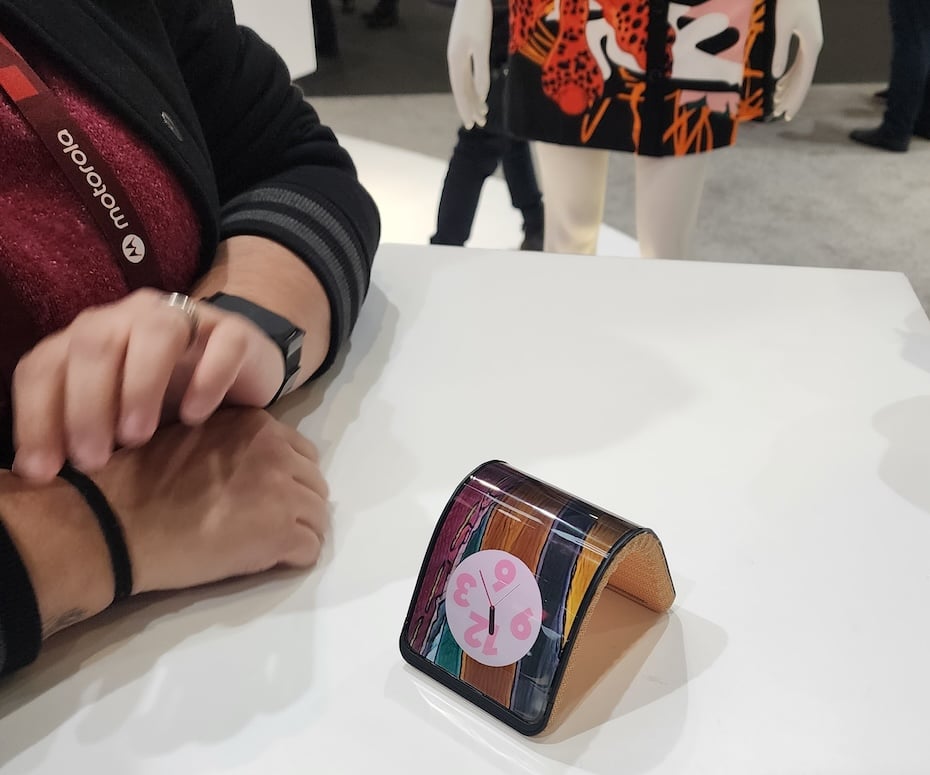
The 6.9-inch device can be bent into a C-shape, allowing users to wear and operate it like a smartwatch. Additionally, Motorola proposes to pair this wrist-worn mode with a new AI feature that creates a customized phone wallpaper that matches the user’s outfit.
The phone’s flexibility is another milestone that shows how far mobile phones have come.
Xiaomi mobile phone and car
Xiaomi’s car was first unveiled in 2023, but everyone flocked to Fira Barcelona Gran Via to catch a glimpse of the vehicle developed by the tech company. Xiaomi SU7 is positioned as a “full-size high-performance eco-technology sedan” and aims to push the boundaries of performance, ecosystem and mobile smart space.
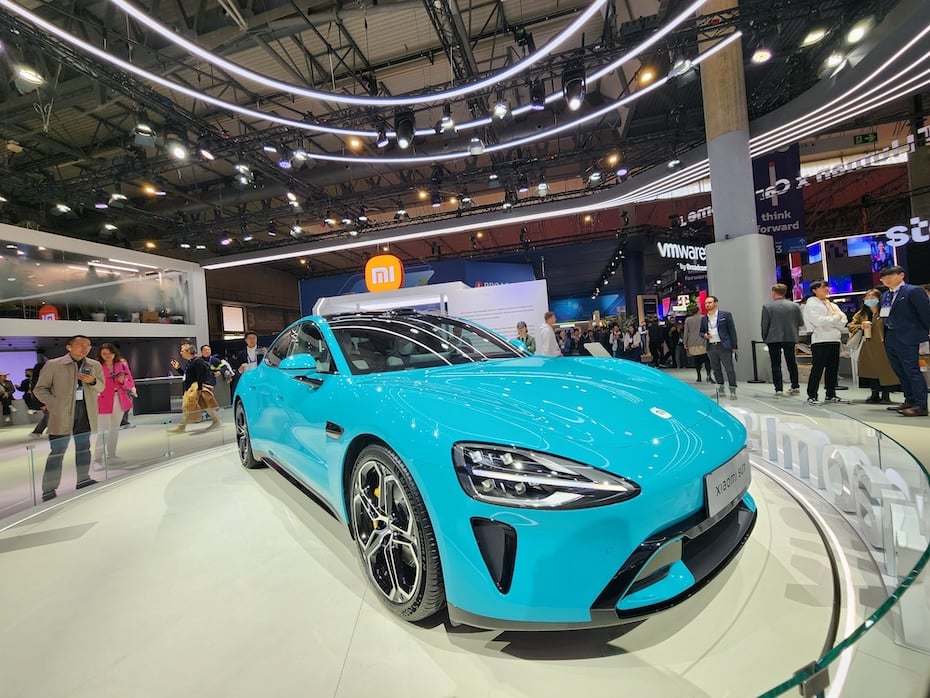
Additionally, Xiaomi, as usual, announced two flagship smartphones to a global audience, excluding the US market. Previously announced in China, the Xiaomi 14 and 14 Ultra are currently in the spotlight with their sleek design and camera-centric feature set.
Xiaomi 14 boasts a smaller 6.36-inch screen with an LTPO 120Hz panel for smooth scrolling and enhanced power efficiency. Its camera specs are modest compared to the 14 Ultra, which flaunts a larger 6.73-inch, 120Hz 1440p panel and a 1-inch type main camera. It’s a choice between taking on a massive challenge or choosing the ultimate experience.
oppo glasses
OPPO unveiled the prototype of a new generation of assisted reality glasses OPPO Air Glass 3 at MWC 2024. OPPO Air Glass 3 can access OPPO’s AndesGPT model via your smartphone, providing a new painless AI experience.
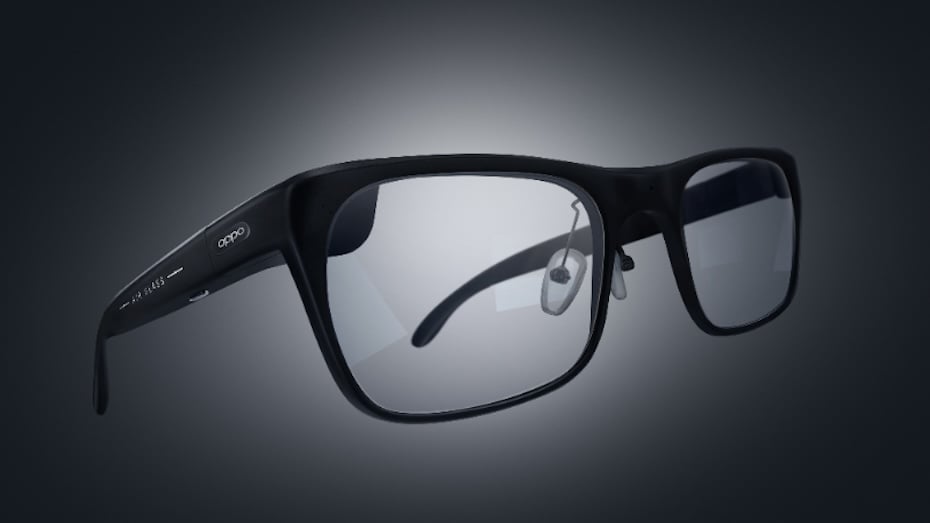
Weighing only 50 grams, OPPO Air Glass 3 features a self-developed resin waveguide with a refractive index of 1.70, display brightness uniformity of over 50 percent, and peak eye brightness of over 1,000 nits.