

The UK will establish the world’s first UN-backed international center of excellence on sustainable resource management in a circular economy, Resources Secretary Robbie Moore announced today (Tuesday 27 February).
Recognizing the world-class UK academic expertise and cutting-edge scientific research, the United Nations Economic Commission for Europe (UNECE) will support the establishment of the center in the UK.
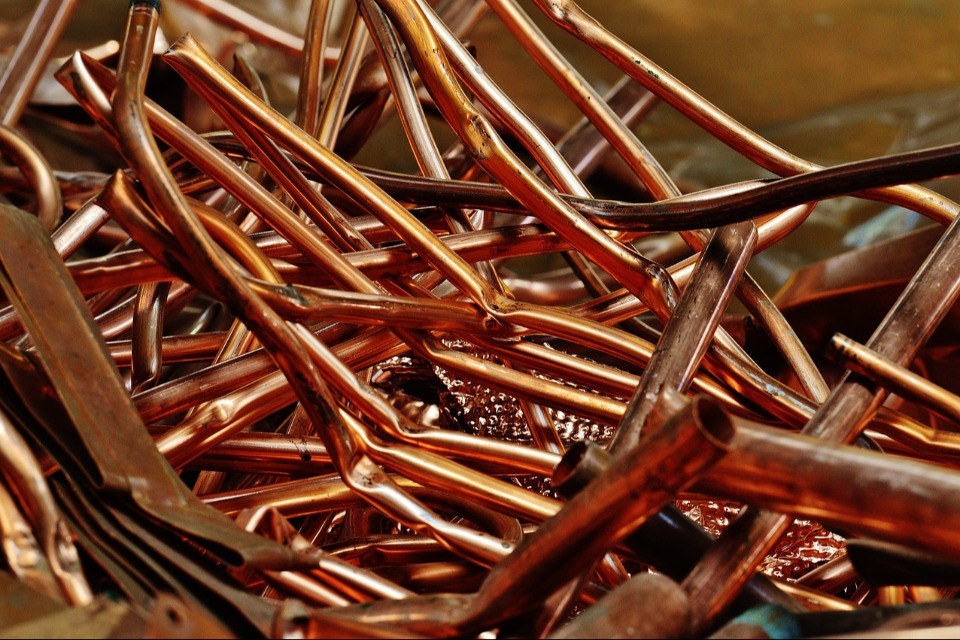
A circular economy is one in which resources are taken from the earth, used once, and kept in use for as long as possible, rather than being disposed of in a landfill.
The center develops sustainable approaches to circular economy and resource efficiency that enable carbon reduction and the transition to a greener future. The UK will support countries around the world to maximize the environmental and economic opportunities that the circular economy brings.
The centre, which will officially open in April 2024, will be comprised of five institutions: University College London (UCL), the University of Exeter, Brunel University London, Swansea University and the British Geological Survey.
The coalition, coordinated by the government-funded UNECE Research Manager based in Geneva, will use its expertise to investigate circularity in sectors such as metals, construction and critical minerals, and to develop effective data, innovation and , develop financial models and policies. The five participating institutions have contributed a total of £1.85m to fund the centre’s technical activities.
Resources Minister Robbie Moore said:
This is a real recognition of the UK’s global leadership in sustainable resource management and evidence of the UK’s world-leading academic expertise.
We host this center to enable the UK’s cutting-edge academics to develop tools and research to help countries around the world seize opportunities in the circular economy and lead the transition to a greener future. I’m happy to be able to do this.
UNECE Executive Director Tatiana Morcean said:
Making resource use more sustainable and moving towards a circular economy is fundamental to sustainable development and climate action.
Partnerships that mobilize international expertise play a key role in UN cooperation to develop and share best practices. I welcome the establishment of this new center of excellence focused on circularity of metals, construction and critical raw materials.
The center will also significantly build on the success of several partner institutions in the National Interdisciplinary Circular Economy Research (NICER) research and development programme, a four-year £30m investment established by the Department for the Environment, Food and Rural Affairs. . In 2019, he became Chief Scientist under the UK Government’s Strategic Priorities Fund.
In July 2023, the UK Government announced a new plan with long-term goals to reduce the use of new resources, encourage repair and reuse of existing materials, and increase recycling. The program – Maximize Resources, Minimize Waste – is a government-funded initiative that helps keep products and materials in circulation for as long as possible and at the highest value, including through increased reuse, repair, and remanufacturing. It is a collection of various measures. To grow the economy and increase employment.
Today’s announcement will help drive the program forward and contribute to the UK’s world-leading efforts to protect the environment and improve resource use.