

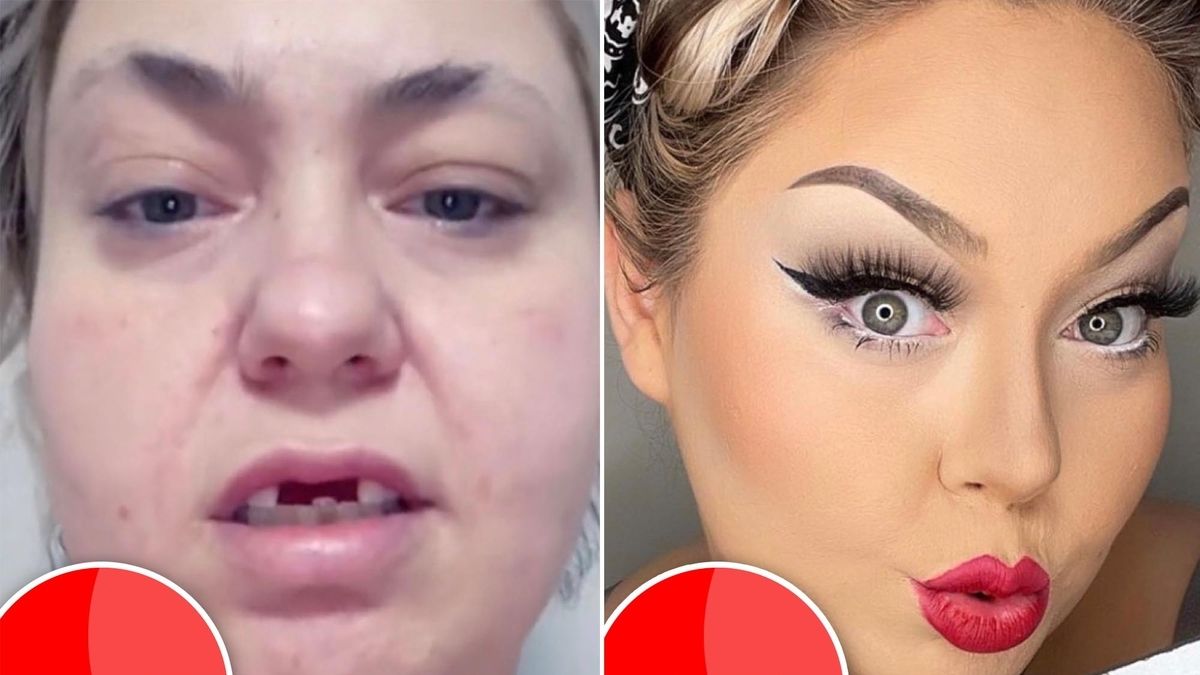
In a recent viral trend, beauty influencers on TikTok are pulling back the curtain to reveal the extensive and expensive beauty procedures behind their “natural” looks. Influencer Miranda Wilson shared a detailed breakdown of beauty treatments that cost more than $1,000, sparking a mix of praise and concern about social media’s rising beauty standards. This trend sheds light on the hidden realities of cosmetic enhancement and its impact on societal expectations of beauty.
the price of perfection
Interest in behind-the-scenes beauty secrets is nothing new, but TikTok influencers like Miranda Wilson are taking transparency to a new level. A candid breakdown of Ms Wilson’s cosmetic procedures, including Botox, lip flips and a ‘vampire facial’, reveals the high financial and upkeep costs involved in achieving her beauty look. This openness sparks conversations about the impact these beauty standards have on viewers, and the perceived need for endless upkeep to achieve societal notions of beauty. Some people express their sadness. Discussions about these beauty trends highlight how social media platforms like TikTok shape perceptions of beauty, often blurring the lines between reality and glorification.
Breaking the illusion of beauty
While some influencers and celebrities have historically downplayed or denied cosmetic work, a new wave of content creators are prioritizing honesty over fantasy. Influencers like Dawn Monteith and Sabrina Salmon not only publicize their cosmetic surgery, but also discuss the motivations and consequences of that choice. This move towards transparency is part of a larger “less influence” trend on social media, where users are encouraged to question and critically evaluate beauty standards and the products being promoted. ing. By sharing their experiences, these influencers hope to foster a more informed and realistic understanding of beauty among their followers.
Impact on beauty standards
Influencers are increasingly openly talking about cosmetic surgery, and it’s a double-edged sword. On the other hand, it makes the processes and costs involved easier to understand, potentially giving viewers more realistic expectations. On the other hand, beauty standards may become further normalized and elevated, making cosmetic enhancements seem less like a personal choice and more like a necessity. The dialogue sparked by influencers like Wilson, Monteith, and Salmon is critical to solving these complex issues. It fosters a broader conversation about self-acceptance, the pressures of social media, and the true cost, both financial and emotional, of pursuing ever-evolving beauty ideals.
As we continue to see beauty standards evolve under the influence of social media, it is essential to critically evaluate the role of cosmetic procedures in our lives. Influencers honestly sharing their experiences provide valuable perspective, but it’s also a reminder of the importance of cultivating self-esteem and inner beauty. The conversation about beauty and appearance enhancement is far from over, but through open dialogue and a critical eye, we can hope to emerge from this with a better sense of reality and self-acceptance.