

The team selected for the estimated £10,000 contract will explore how the group’s 22 institutional members, including the Victoria and Albert Museum, Science Museum and the Royal College of Art, can respond to the growing climate and biodiversity crisis. A community engagement exercise will be held to discuss the matter. .
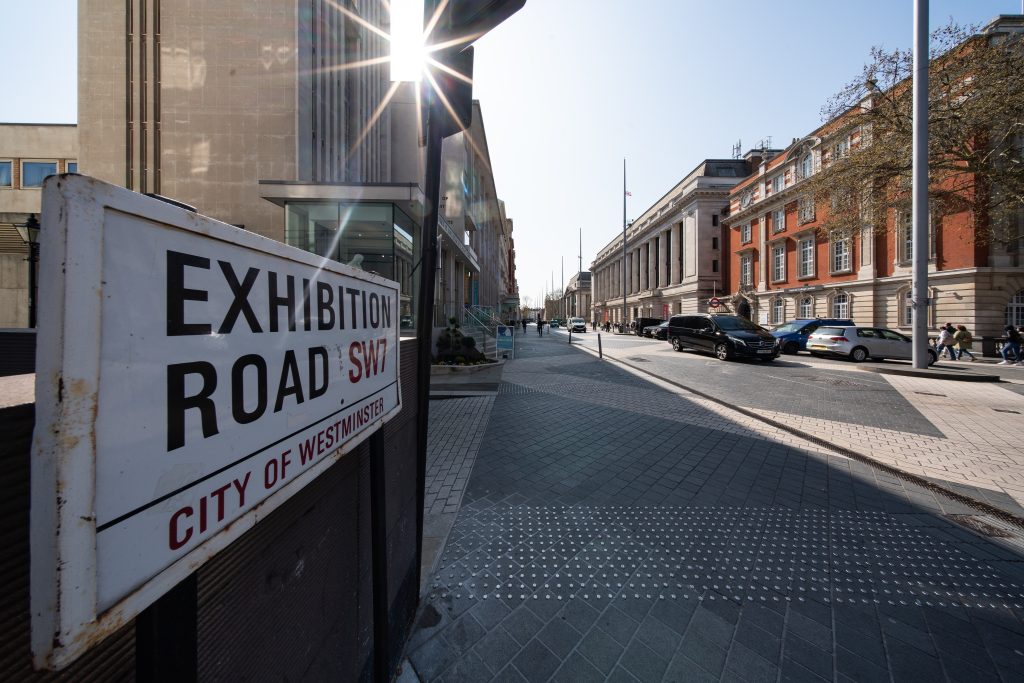
The main aims of the South Kensington Zero Emission Nature Positive (South Ken ZEN+) project include transforming the Exhibition Road area, home to some of London’s most famous museums, into a net zero district by 2040; Increase green space by 20 percent and reduce waste by 75 percent by 2030.
According to the brief, “Through the Southken ZEN+ program, members of the Exhibition Road Cultural Group are already working on a number of adaptation and mitigation efforts, which will lead to emissions reductions on our sites and encourage a proactive approach to nature.” “This will facilitate and hopefully accelerate progress towards our goals.”
“We now want to work with local communities to understand their priorities and identify opportunities for collective action in the wider neighborhood. The short, medium and long term of climate change and biodiversity loss impact will affect South Kensington in many different ways, and we want to understand how this will affect people of all ages who spend time here as residents, workers and students. thinking about.
“This study is the first element of a larger project to understand how to adapt our neighborhoods for the future. We want to develop ideas to make the world more resilient to some of the main negative impacts of climate change. At the same time, we want to provide a brighter future for local nature and wildlife. I am.”
South Kensington’s Exhibition Road is the main thoroughfare of the large museum district in central London, historically known as Albertopolis. Local organizations that are members of the Exhibition Road Cultural Group include the Design Museum, Imperial College, Royal Parks, Japan House and the Ismaili Center.
The organization’s main objectives include conducting regional infrastructure and climate adaptation audits, compiling a list of regional sites with potential for greening and climate adaptation, and conducting a feasibility study for the second phase of a new shared heat network. This includes the implementation of
The latest commission will see the winning team consult with South Kensington’s local community using a variety of methods including “written communications, talks, events and workshops” on how the area will change in response. You will better understand the views of key stakeholders. Toward the climate crisis.
The study is intended as a “first step” in a “co-creation” journey with the group’s neighbors, and a report will be produced outlining key findings and recommended next steps. Applicants must share details of their previous relevant experience, proposed methodology, and cost breakdown.
Up to four teams will be invited for interviews in March this year, with an overall winner selected shortly thereafter.