


I remember clearly my first experience in a refugee camp. In late 2007, conflict escalated in the eastern region of the Democratic Republic of the Congo, forcing hundreds of thousands of people to flee their homes in search of safety. World with his Relief colleagues visited a makeshift camp that had been set up several weeks ago and was home to several thousand people.
I was heartbroken by the pain and angry at the thought that when these people left their homes to seek safety, they were fleeing something much worse. I will never forget interacting with people who desperately need food, adequate housing, and medical care for their children.
Moments like these motivate me to make a change. I suspect that as you read this, you too have experienced something that prompted you to prioritize the needs of the marginalized and vulnerable above your own. In the years since, my experience has shown me that the change that really lasts is the resilience of Christ, and that the local church is central to Christ’s plan to heal wounds and bring restoration to the world.
current crisis
At World Relief, we are committed to partnering with the church to boldly tackle the world’s greatest crises. One of the crises the world is currently facing is the global displacement and refugee crisis.
There are currently 110 million people forcibly displaced by persecution, conflict and violence. This is the largest number in recorded history. Of these, 36.4 million are refugees. That is, people who have crossed borders and left their home countries in search of protection and safety.
In recent years, we have celebrated many advances in global development. The share of poverty in the world’s population has been halved, and child health indicators are improving rapidly around the world. However, the number of displaced people is now three times higher than it was 15 years ago when I visited the camps in the Democratic Republic of Congo.
If you watch the news, you won’t be surprised. Wars in Syria, Afghanistan, Ukraine, Yemen, Sudan, Israel and Gaza have displaced millions of people. Years ago, a colleague in the Democratic Republic of Congo told me a proverb used in his community to describe the impact of war on people. “When elephants fight, the grass is trampled,” he said. Today, around the world, we see innocent children, women and men killed, displaced and traumatized by conflict.
But even in this suffering, we have reason to have hope. Jesus taught his disciples: “You will have many trials and sorrows on earth. But rest assured, for I have overcome the world” (John 16:33).
True restoration is possible only through Christ. Through Him, there is power to restore our relationship with God, reconcile warring nations, and help us heal within ourselves from the effects of trauma. And he chose to make this hope known through the church.
When local churches respond
At World Relief, our most trusted missionary partners are local churches. Because we believe they are central to God’s plan to restore the world. The church is also a strategic partner in providing long-term, comprehensive services to people experiencing vulnerability.
No development organization, government agency or other organization is better placed to support the holistic development of people at every stage of the family life cycle and meet their physical, social and spiritual needs. there is no. Unlike NGOs, Local church has no exit plan — They have been in the community for a long time and have the potential to lead to lasting, long-term change.
The apostle Paul wrote: “For God did all this to show the riches of his wisdom through the church to all the invisible powers and powers in the heavenly places” (Ephesians 3:10). You always inspire me. The work of the Church not only reveals God’s wisdom on earth, but also in the heavenly realms.
In the midst of a global displacement crisis, we are seeing the church acting as Christ all over the world.
In South Sudan, in Bentiu camp for internally displaced persons, home to more than 120,000 people, we have seen entire networks of churches come together and pool resources to provide food, supplies and other essentials to the camp’s most vulnerable residents, making it clear that in the midst of displacement, God sees those in need.
Across the United States, Good Neighbor Teams of five to 10 church volunteers welcome refugee families to this country and help them adjust to life in a new country and build community. They show us that it is possible to live in a safe place again with our beloved neighbors.
And a few years after visiting the camps in the Democratic Republic of Congo, I visited the very communities that many of them had fled and returned to. Church leaders in these communities worked to break down tribal and sectarian divisions and were united in the purpose of promoting peace in their communities. In doing so, they were making it clear that Christ is truly the Prince of Peace.
We are living through a critical moment in history. In the midst of an unprecedented displacement crisis, the steadfast presence of the Church can bring hope and lay the foundations for renewal. Thank you for joining us in this transformational movement, where interim solutions are being secured to create deep and lasting change, based on the transformative power of recovery.
At World Relief, we envision thriving, welcoming communities where families thrive and people experience restorative relationships with God, their neighbors, themselves, and all of creation.
Will you donate today so that together we can continue the life-changing work that is possible through your local church in response to the world’s greatest crisis?
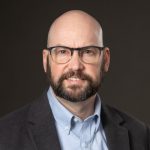
Myal Green We aspire to see churches around the world equipped, empowered, and engaged to meet the needs of vulnerable families in their communities. In 2021, he became president and CEO after serving 14 years with the organization. While living in Rwanda for eight years, he developed World Relief’s innovative church-based programming model, which is now used in nine countries. He also held a leadership role in the International Programs Department for six years. He has previously worked for the US government. He holds a bachelor’s degree in finance from Lehigh University and a master’s degree in global leadership from Fuller Theological Seminary. He and his wife Sharon have three children.