

In fact, Mr. Xi’s China is less free, less prosperous, and less able to govern than it would have been if it had taken a different course, less inspired by competition with the West and fear for its own people. Economic and demographic data show that the world is even less likely than ever to be dominated by China. Economists are beginning to revise their predictions about when and whether China will overtake the United States economically.
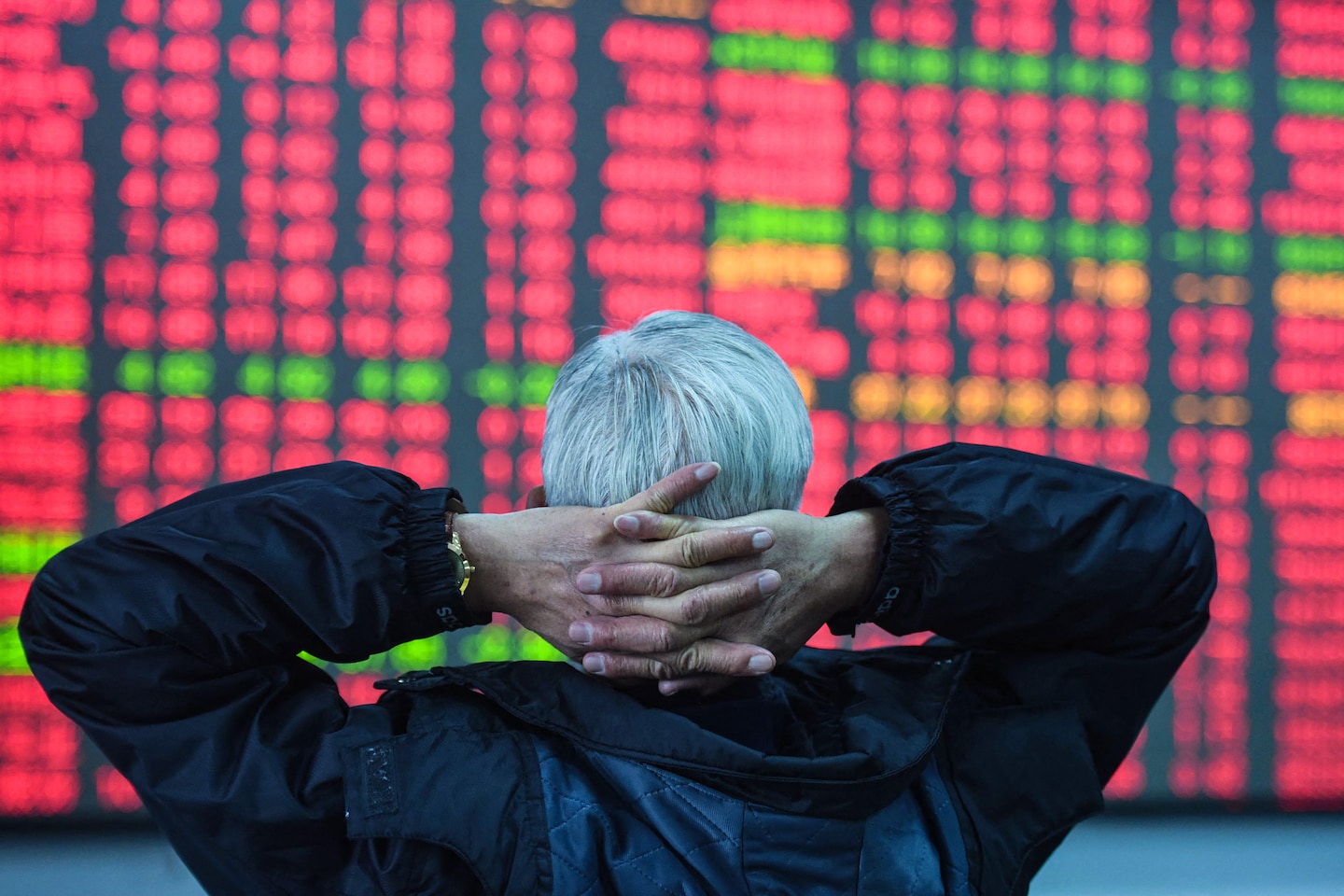
Despite Mr. Xi lifting the world’s toughest coronavirus restrictions at the end of 2022, China’s construction industry has slowed, manufacturing prices have fallen and consumer spending has flattened. China’s stock market has lost $6 trillion in value in three years. More than a dozen cities and states have been ordered to halt construction of infrastructure projects, reducing a major source of revenue.
The biggest economic threat lies in the slowdown in the real estate market. The construction industry is at a standstill, with more than 50 major development companies either running out of cash or defaulting on their debts. There are fears that the country could go bankrupt, leaving millions of unfinished housing projects behind. Buyers who paid upfront are worried that they will lose their money.
China’s demographics also pose difficult challenges. The number of births in China in 2023 will be 500,000 fewer than the previous year, and the number of deaths last year was 11.1 million. The overall population has declined by 2 million people, and the decline is expected to continue. China has one of the fastest growing elderly populations in the world, and its labor force is shrinking. Many Western countries and Japan are also experiencing aging populations. But in China, the problems are occurring earlier, at a much earlier stage of development. This country is getting older before it’s getting richer.
China posted a respectable economic growth rate of 5.2% last year, but the real growth rate is even lower after adjusting for falling prices. Rather than becoming an economic superpower, China seems more likely to enter an era of deflation similar to the one that caused Japan’s “lost decade.”
In the face of these challenges, China’s leadership appears paralyzed. The country’s economic policy makers were once respected. However, Xi’s centralized governance appears to be hampering decision-making.
China has the tools it can use. A stabilization fund could help shore up a sluggish stock market (an idea floated but then abandoned). The government could take over unfinished properties, ensure completion, and guarantee upfront payments to prospective buyers. The government may announce new measures to restructure local government debt. Stimulus programs could be launched to put more money directly into people’s hands to encourage consumer spending.
To address its aging population, China could also expand its meager social safety net for the elderly, including pensions, which are currently lacking, and increase health insurance. This may help the economy now. In the absence of government support, people are saving instead of spending. China should also reconsider its official retirement age, which is currently a low 60 for men and an even lower (and unfair) 55 for women.
However, Mr. Xi rejected this. He rejects stimulus programs that give people cash as “welfarism.” An ardent communist, he hates the private sector and prefers to direct government aid to inefficient state-owned enterprises. Security concerns and ideological purity take precedence over economic growth. To curb the declining birthrate, he prefers to encourage young women to stay at home and have more babies as a patriotic duty. He seems to prefer to surround himself with yes-men and communists rather than sound economic engineers who understand the market.
Some Americans may be relieved by China’s plight. The country would be less able to fund military buildups, wage trade wars, and corner important global markets. That would be short-sighted.
Rather, the United States and the world should expect China’s leaders to make a sharp course correction. China remains the United States’ top trading partner (along with Canada and Mexico). The US agricultural sector is particularly dependent on the strong Chinese market for soybeans, corn, and beef. Many of America’s trade-dependent allies, especially those in Asia, also need Chinese consumers.
But the necessary course correction will require Mr. Xi and the Chinese Communist Party to admit that they have failed in their efforts to prove that militant authoritarianism is compatible with long-term prosperity. Because they treat the West as an adversary, they see liberalism as chaotic and threatening. In fact, they are coming to realize that, in the words of Winston Churchill, it is the worst option of all.