

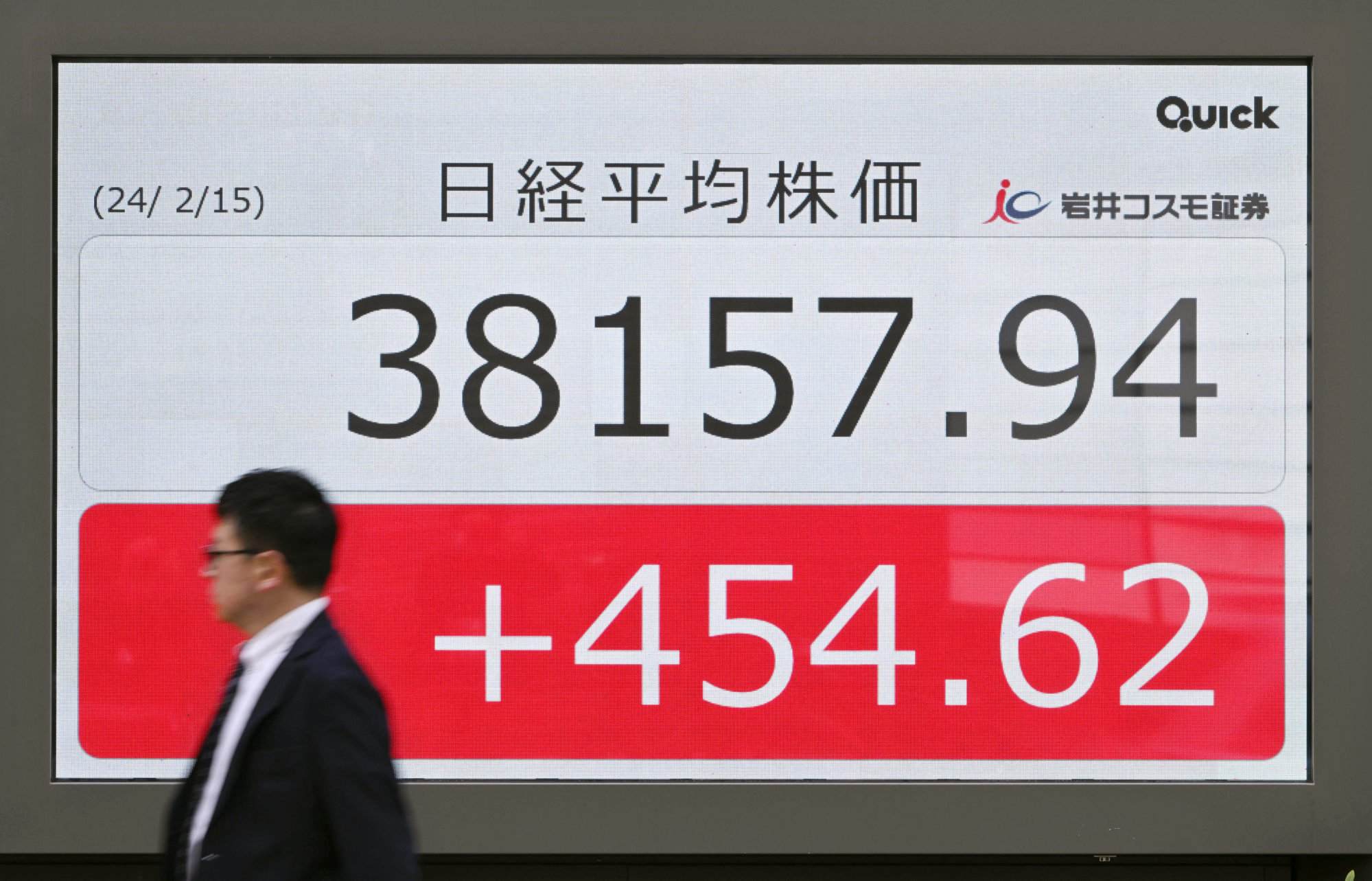
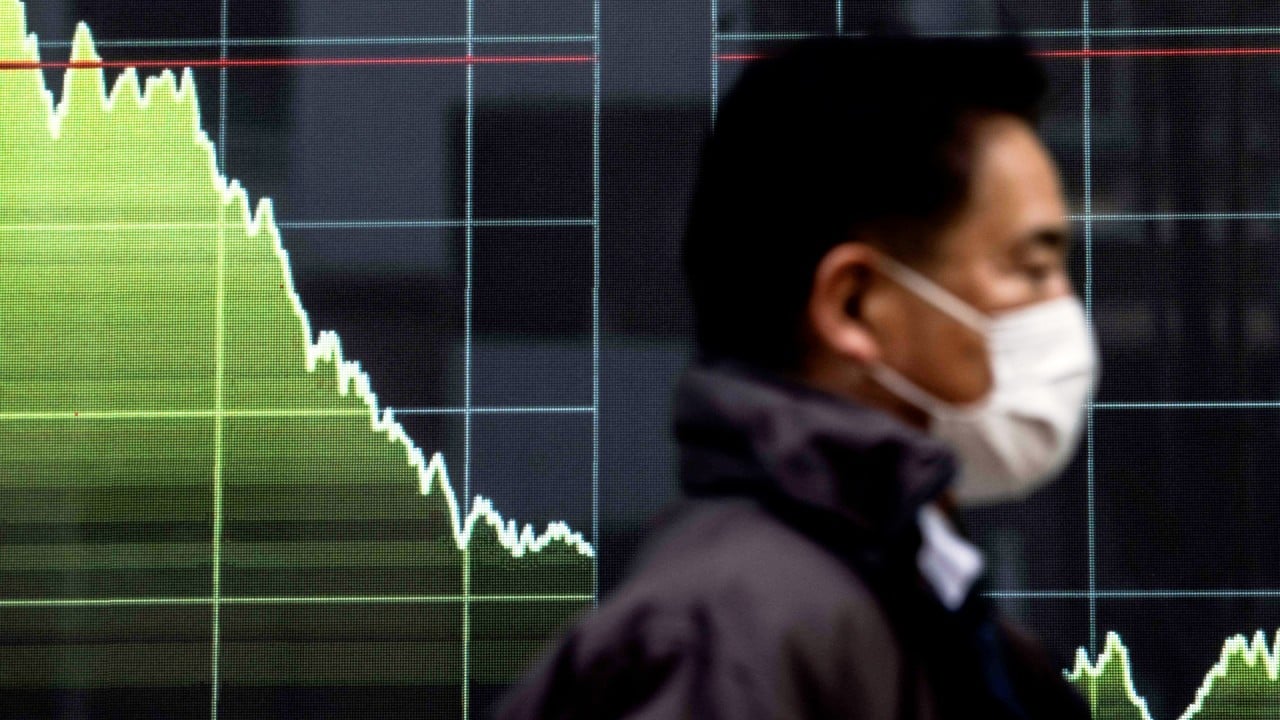
Japan’s decline is perhaps more dramatic than that of any other major power in recent memory. In the 1990s, Japan’s gross domestic product accounted for 15% of the world economy. Currently, that percentage remains at just over 4%. During the same period, China’s share of global GDP rose from 2% to 18%.
In East Asia, the situation is even more dramatic. From 1990 to 2014, Japan’s share of regional GDP collapsed from more than 70% to about 20%, and Japan’s share of regional trade fell from more than 45% to just 15%. In contrast, China’s regional trade expanded from less than 10% to more than 40% over the same period, and its share of GDP rose from less than 10% to more than 50%.
07:43
From economic “miracles” to lessons: Japan’s development and recession
From economic “miracles” to lessons: Japan’s development and recession
For Japan, China’s challenges go far beyond mere numbers. Japanese officials, in particular, are concerned about China’s rapid advances in cutting-edge technologies such as artificial intelligence, quantum communications, and renewable energy.
What would happen if China declared a protectionist trade war against the United States and the West?
What would happen if China declared a protectionist trade war against the United States and the West?
In particular, China has the ability to not only restrict access to its huge consumer market, but also deny Japan access to rare earths and critical minerals in the event of an economic war. Concerns about unforeseen circumstances, particularly Taiwan, are also growing.

01:45
Taiwan fends off mainland China’s coast guard in series of tense exchanges
Taiwan fends off mainland China’s coast guard in series of tense exchanges
However, Japan’s defense policy calculations are primarily shaped by its alliance with the United States. And this is precisely why Japan’s strategic elite is deeply disturbed by the prospects of a second Trump administration. The second Trump administration is likely to be even more unpredictable and transactional than the first.
It would be a nightmare if Donald Trump became president of the United States again.
It would be a nightmare if Donald Trump became president of the United States again.
However, the second Trump administration, which prefers an “America first” unilateralism, is unlikely to adopt a truly consultative and multilateral approach to Asia strategy. This, in turn, could undermine trust and undermine cooperation between the United States and its key allies, particularly Japan.
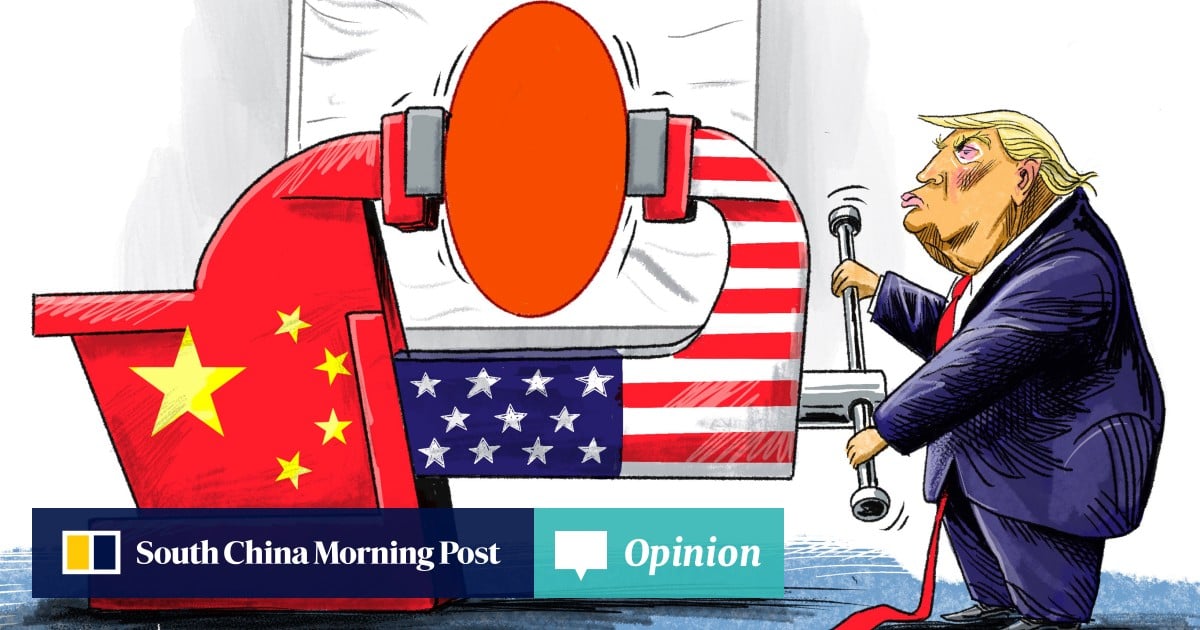
As a result, Japan is increasingly caught between a resurgent China and an unpredictable ally, the United States. However, it remains to be seen whether this new era of geopolitical uncertainty will usher in an entirely new grand strategy for Japan, which has operated largely in America’s shadow since World War II.
Richard Heydarian is a Manila-based scholar and author of Asia’s New Battlefield: US, China and the Struggle for Western Pacific and the forthcoming Duterte’s Rise.