

image source, Handout/BHF
A couple teamed up with scientists to study how smartphones and sports watches can improve health.
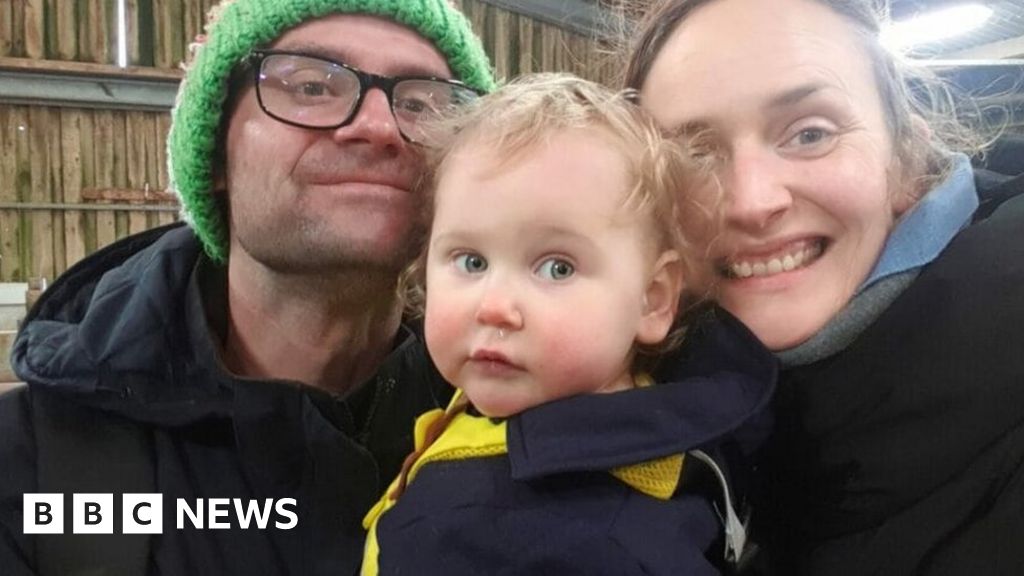
Chris Monk, from Berkshire, completed his routine 10km (6.2 miles) run in 2019.
A sports watch showed his heart rate wasn’t slowing down, so he was admitted to hospital, where it was discovered he had atrial fibrillation.
Mr. Monk’s wife joined a group that supports scientists studying how data from similar devices can benefit people’s health.
The 38-year-old, from Maidenhead, said: ‘I was very lucky that I was running with a heart rate monitor when I first developed atrial fibrillation.
“I was able to show the cardiologist the exact moment it started and exactly what I was doing when it happened. This makes it a reality for more people. It’s a great first step.”
image source, Getty Images
The British Heart Foundation (BHF) Data Science Center said the research was important in helping more people improve their health.
Mr Monk’s wife Nicola, who works for the NHS, joined seven other members of the public to help design a study to understand how the data could support cardiovascular research.
“Chris was diagnosed entirely because of his smartwatch. If we didn’t have that data, it would have been very easy to ignore it,” she said.
Dr Jackie McArthur, Senior Scientific Program Manager at the BHF’s Data Science Center, said: ‘If we can obtain informed consent and securely link this with an individual’s NHS data, this data will help us understand the causes and effects of cardiovascular disease. “This may provide new insights into the and improve disease prediction, diagnosis, and treatment. ”