

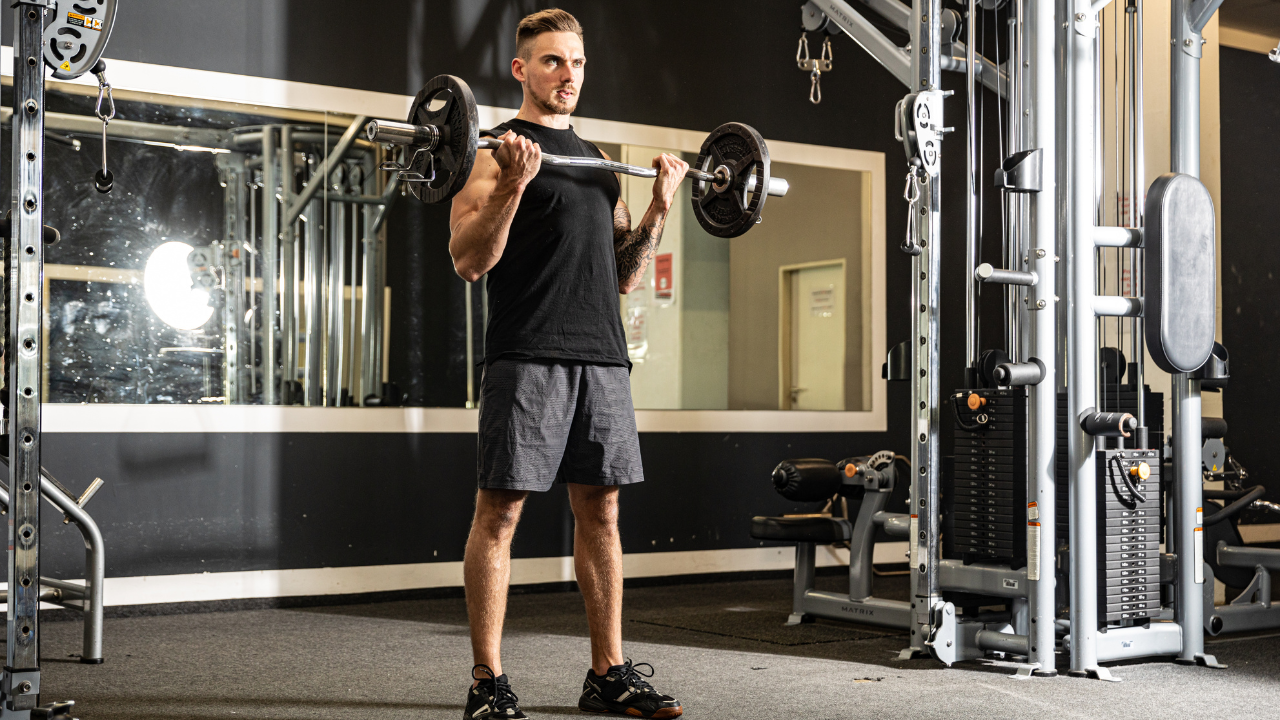
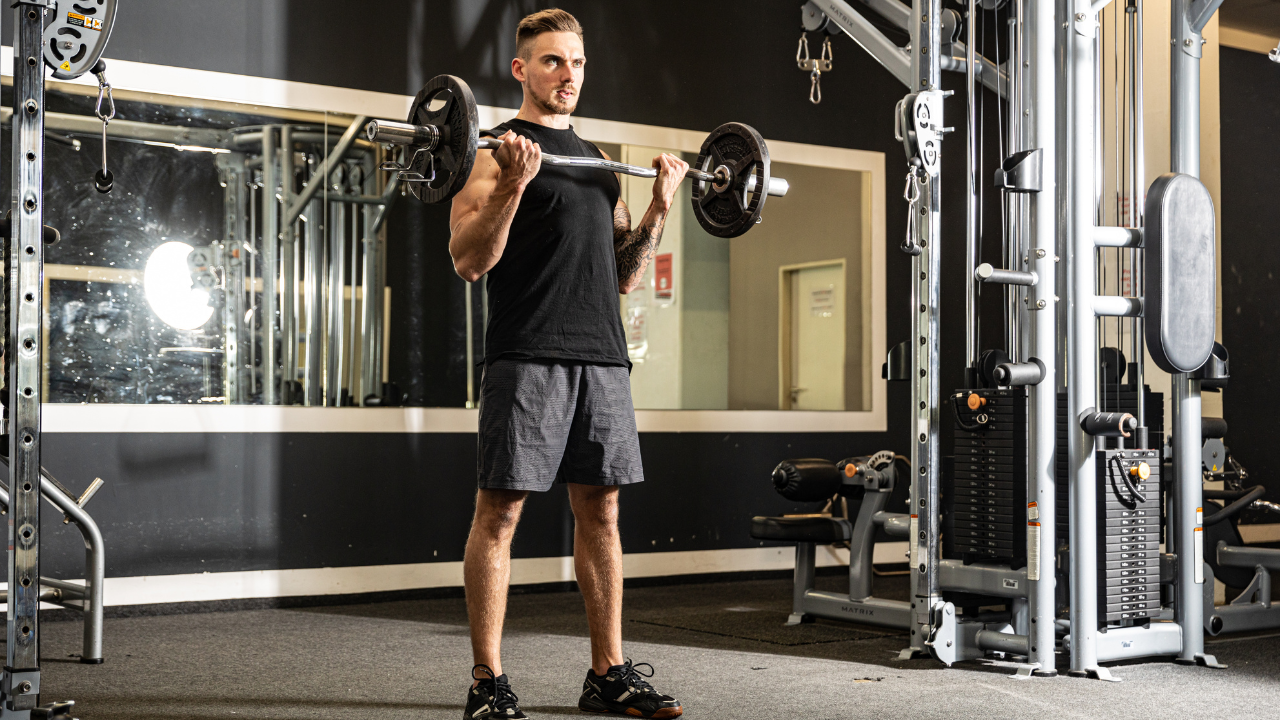
How to gain muscle while losing fat (Photo credit – iStock)
Losing fat while developing muscle is a popular exercise goal known as “body recomposition.” This ambitious commitment requires an intentional commitment to diet, exercise, and lifestyle changes. Contrary to popular belief, with the right information and determination, you can successfully change your body composition. Here’s how to start this adventure.
Understanding body reorganization
Body recomposition differs from traditional weight loss strategies, which often focus solely on lowering the number on the scale. This process involves reducing body fat while gaining lean muscle mass, resulting in a leaner, more defined physique. The key to success is balancing nutrition, strength training, and recovery.
Nutrition: Nutritional supplementation for fat loss and muscle gain
Calorie deficit and high protein intake
To lose fat, you need to maintain a calorie deficit. This means that you consume fewer calories than you burn. Your body needs enough protein to grow muscle. Aim for a moderate calorie deficit to allow muscle growth. A good place to start is by cutting down on 500 calories each day. To support muscle synthesis and repair, consume a diet high in protein (1.6 to 2.2 grams per kilogram of body weight).
Nutrition timing and quality
Focus on the quality and timing of your meals. Include whole foods rich in minerals, fiber, and healthy fats. Consuming protein and carbohydrates after exercise can help your muscles heal and grow while replenishing your energy stores.
Exercise: Create the perfect routine
strength training
Strength training is the foundation of building muscle. Incorporating complex exercises that work several muscle groups (squats, deadlifts, bench presses, etc.) promotes muscle growth and triggers a hormonal response that promotes fat loss and muscle building. Aim for strength training three to four times a week, gradually increasing the weight and intensity to strengthen your muscles.
Incorporate aerobic exercise wisely
Excessive aerobic exercise can hinder muscle growth, but moderate amounts can aid fat loss and cardiovascular health. To maximize fat loss without losing muscle mass, use low-intensity steady-state (LISS) cardio or high-intensity interval training (HIIT) sessions once or twice a week.
Recovery: Pillars of Progress
enough sleep
Sleep is essential for muscle healing, growth, and general health. Aim for seven to nine hours of quality sleep each night to allow your body to effectively recover from exercise and control hormones related to hunger and satiety. This helps in fat loss.
stress management
High stress levels can affect hormone levels that control hunger and fat storage, and interfere with your body’s attempts to restructure. Incorporate stress-relieving activities like meditation, yoga, and deep breathing into your daily life.
consistency and patience
Body reconstruction is a long-term technique for changing your physique. Being consistent with your diet and exercise plan, combined with patience, is essential. Progress may be slow, but it is more likely to result in long-lasting change.
Monitor your progress
Muscle is denser than fat, so you can track your progress by measuring your body composition in addition to weighing yourself. Track your progress using tools such as circumference measurements, progress images, and body fat percentage assessments.
Losing fat and growing muscle requires a balanced approach that prioritizes nutrition, activity, and recovery. Eating a high-protein, moderate calorie-deficit diet, incorporating smart aerobic exercise, focusing on strength training, and allowing adequate recovery time will help you achieve a leaner, more muscular body. Masu. Remember, body recomposition is a marathon, not a sprint. Dedication and patience are your best partners in this endeavor.