

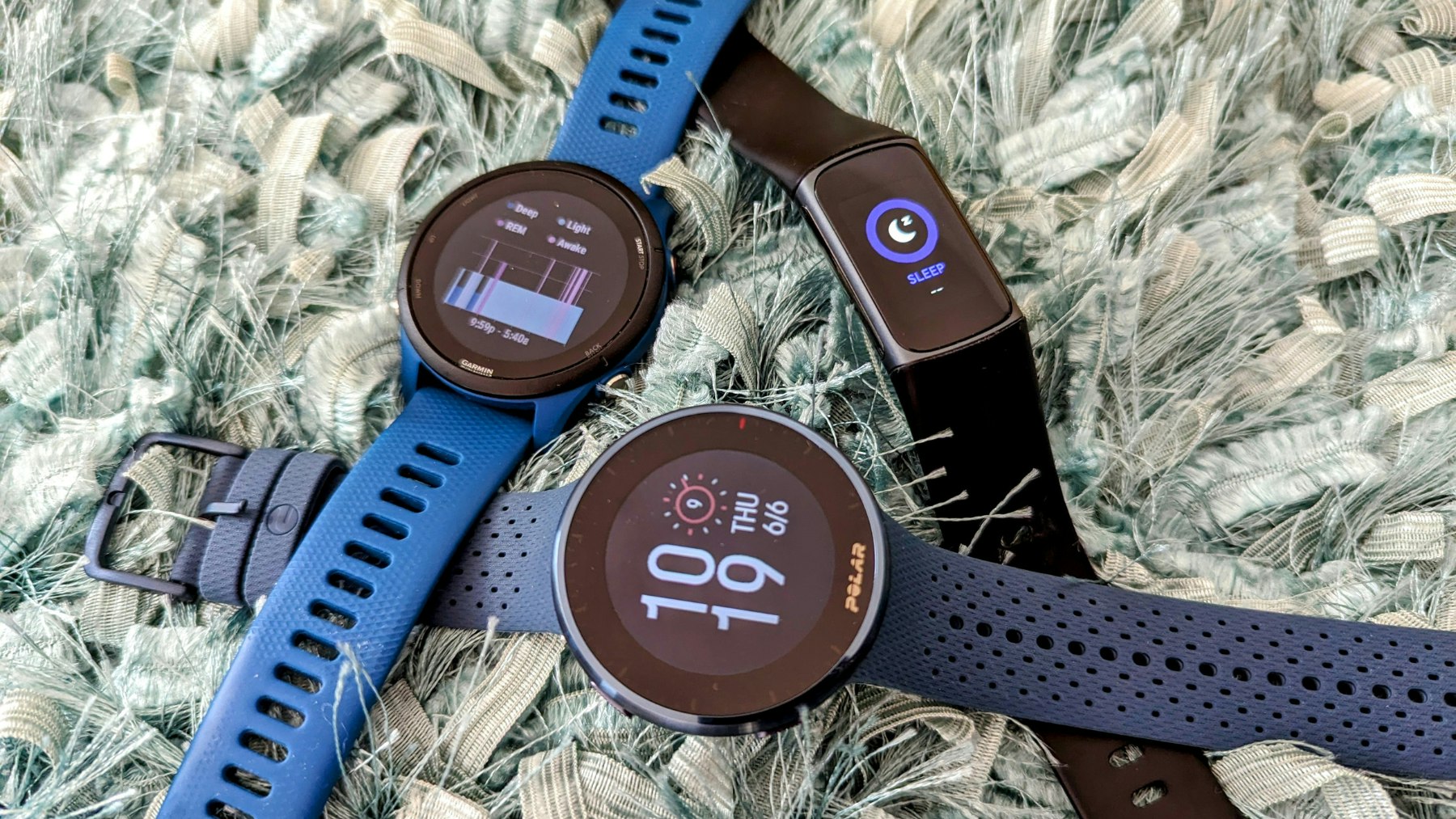
You may not have given much thought to the scientific side of sleep, but there is a lot to be said about how sleep impacts our lives and what modern measures you can take to improve it. This discussion on sleep has become much more relevant thanks to new and developing technologies focused on sleep tracking. Sleep trackers use similar technology found in some of the best fitness trackers to monitor noise, movement, and some basic vital signs. We have witnessed the emergence of countless sleep monitoring gadgets, apps, and smart technologies, but it is crucial to understand what they mean and how they work.
We’ve been taking a deep look at sleep tracking, investigating the science and reliability of the methodology. Sleep tracking technology is an intuitive tool, but knowing how to use it, interpret it, and learn from it shouldn’t be underestimated. We and other experts share everything you need to know about sleep monitoring.
Understanding sleep tracking
©What’s the Best – Stephen Shaw
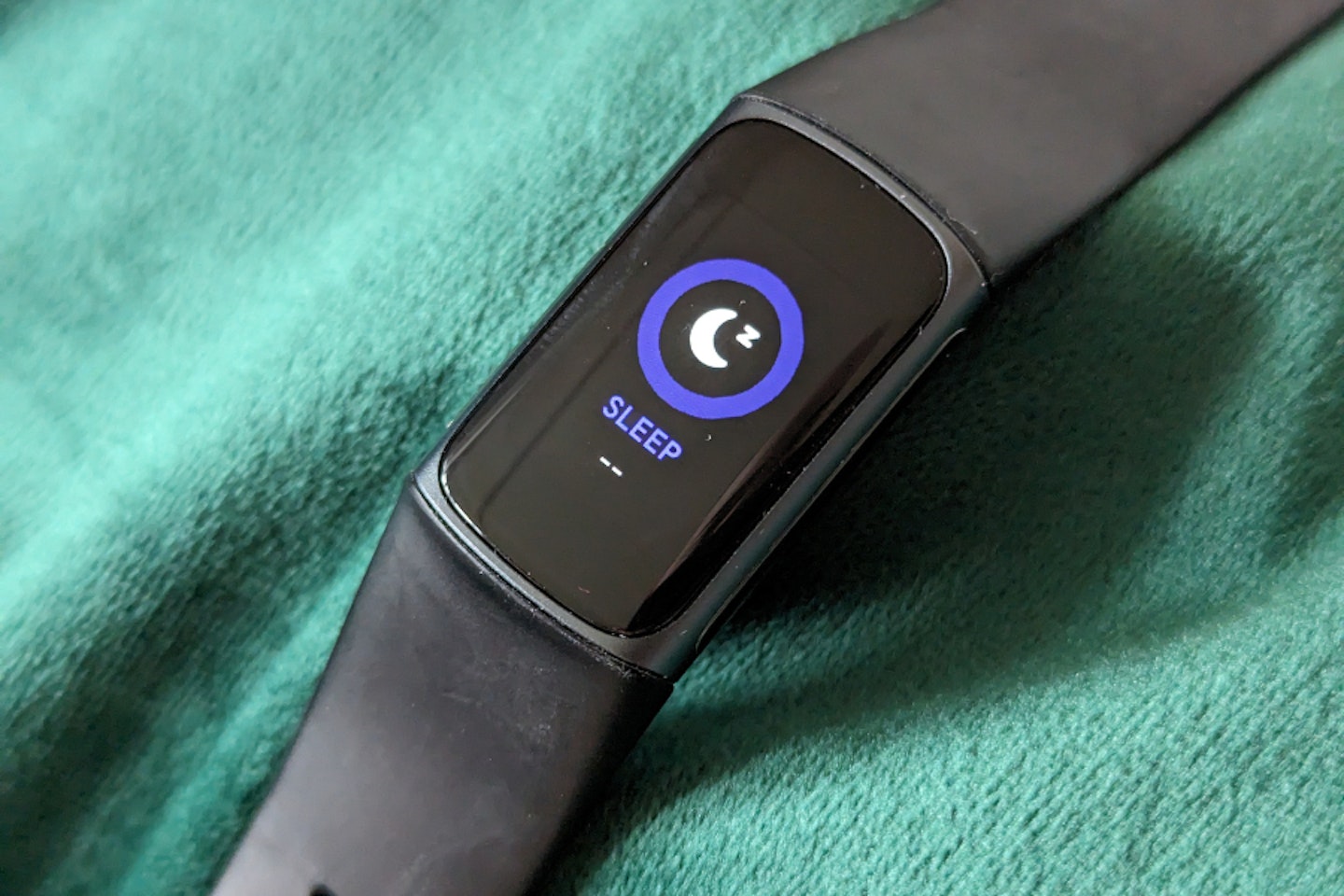
First, what is sleep tracking? Sleep tracking is the observation of sleep through sleep monitoring devices such as sleep trackers, smartwatches, fitness trackers, and even some mobile apps. These devices are designed to detect certain bodily functions while you sleep.
By monitoring your breathing, heart rate, temperature, sound and movement, the technology generates incredibly accurate data about your sleep, helping you visualize and better understand what happens after your head hits the pillow.
Sleep tracking can also encourage positive change: by uncovering weak areas in your sleep patterns and habits, you can get to the root of them and make lifestyle changes to strengthen these weaknesses.
The science behind sleep monitoring
©What’s the Best – Stephen Shaw
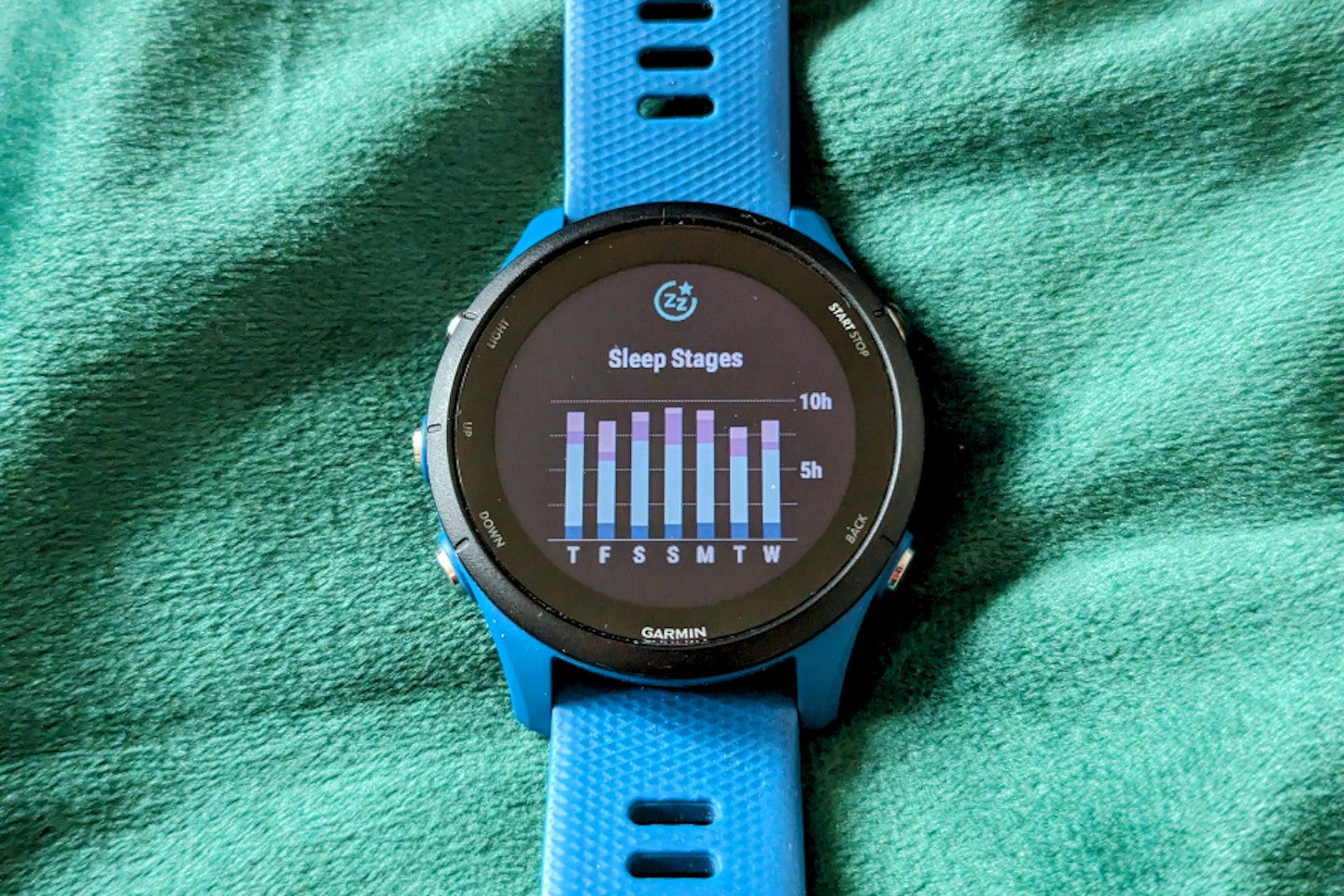
There are differences across the board between smartwatches and fitness trackers, and wearable smart gadgets must be equipped with specific technologies to effectively monitor your sleep. Sleep monitoring gadgets use high-tech sensors, detectors, and accelerometers to be able to sense, track, and highlight subtle changes in your sleep cycle. This is accomplished in a number of ways, and it’s important to understand each of them.
Movement and breathing are two indicators of sleep quality. In particular, breathing and movement indicate your overall alertness and the depth of your sleep. Wearable sleep tracking gadgets such as smartwatches are equipped with accelerometers that can track your movement and heart rate variability to monitor different stages of sleep. App-based trackers cannot pick up exact movement or breathing, but they can detect noises such as snoring during the night.
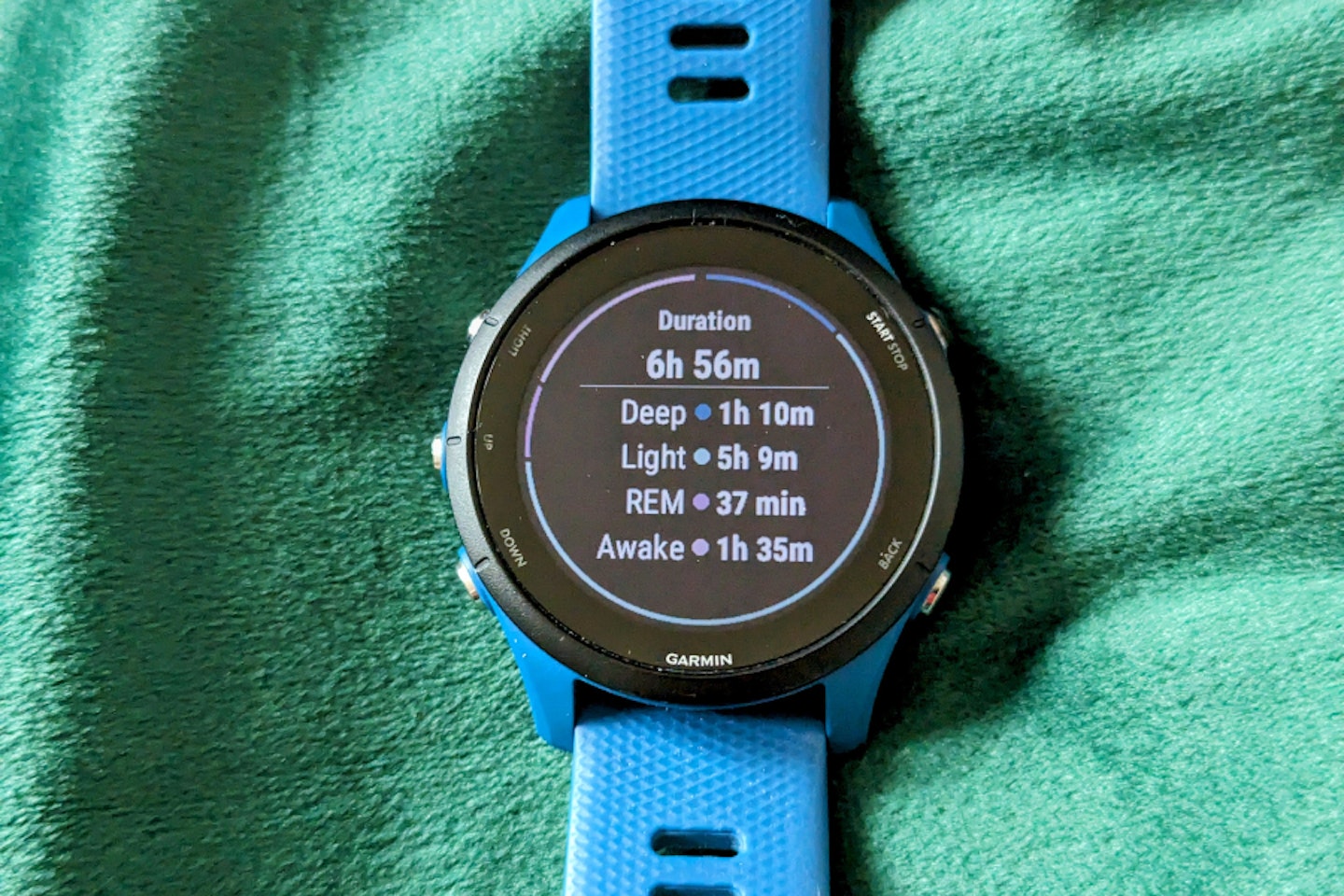
Our sleep monitoring technology assesses your three sleep stages – REM (rapid eye movement), deep sleep, and light sleep. Here’s what each means:
REM (rapid eye movement) sleep – Sleep occurs primarily late at night and is characterized by dreaming and increased brain activity, and plays an important role in processing memories and emotions.
deep sleep – This occurs primarily at the beginning of the night, when the body is most in a state of recovery, which is important for physical recovery and health.
light sleep – Acts as a transitional stage between deep sleep and REM sleep, promoting mental and physical relaxation.
©What’s the Best – Stephen Shaw
Accuracy of sleep tracking devices
Carolina Goncalves, head pharmacist at Farmicagave us some insight into the overall accuracy of sleep tracking. She states that “the concept of sleep tracking is theoretically sound. Numerous studies suggest that modern sleep tracking devices can provide useful measurements on several sleep parameters, including sleep efficiency, duration, and entry and exit of various sleep stages.” Thus, a sleep tracking gadget can be very accurate, as long as you don’t exceed its capabilities.
Polysomnography is a medical procedure that analyzes brainwaves, eye movements, and muscle activity to diagnose sleep disorders. It is very important to note that it is completely different from sleep tracking. Data provided by sleep monitoring devices should not be taken as medical advice. If you have any concerns about your sleep, please share them with your doctor.
Factors that affect accuracy
Unfortunately, it’s not as simple as picking up any old health tracking gadget, turning it on, and hoping to get a ton of comprehensive data. Sleep expert Hafiz Sharif “No device is 100% accurate. Even the best devices can only provide an overview of your sleep patterns. However, calibrating these devices and using them continuously can improve their accuracy,” they emphasize. Calibration is a key step to ensure accurate and reliable sleep monitoring. Not all sleep trackers are created equal, and every user is different.
Sleep monitoring depends on you, and there are steps you can take to get the most accurate results. Your initiative and cooperation are key factors to ensure the best accuracy. To effectively start sleep monitoring, you should first plan a regular sleep schedule; have a fixed bedtime and wake-up time each day. Not only is this already a great way to improve your sleep patterns, but it also increases the likelihood of getting reliable and accurate sleep data.
Interpreting your sleep data
Let’s say you’re all set, your sleep patterns are stable, and you’ve bought a reputable sleep tracker. Now you want to know how to correctly interpret the data. Your sleep tracker shows you the periods during the night when you feel restless and uncomfortable during your sleep. If this is the data you receive, then you can start experimenting and try to change your environment. You can change the room temperature, swap to a new pillow, change the light intensity or color exposure, etc. Sleep monitoring, especially in the beginning, will be a trial and error process. This fact is inevitable.
The benefits and limitations of sleep tracking and fitness gadgets
©What’s the Best – Stephen Shaw
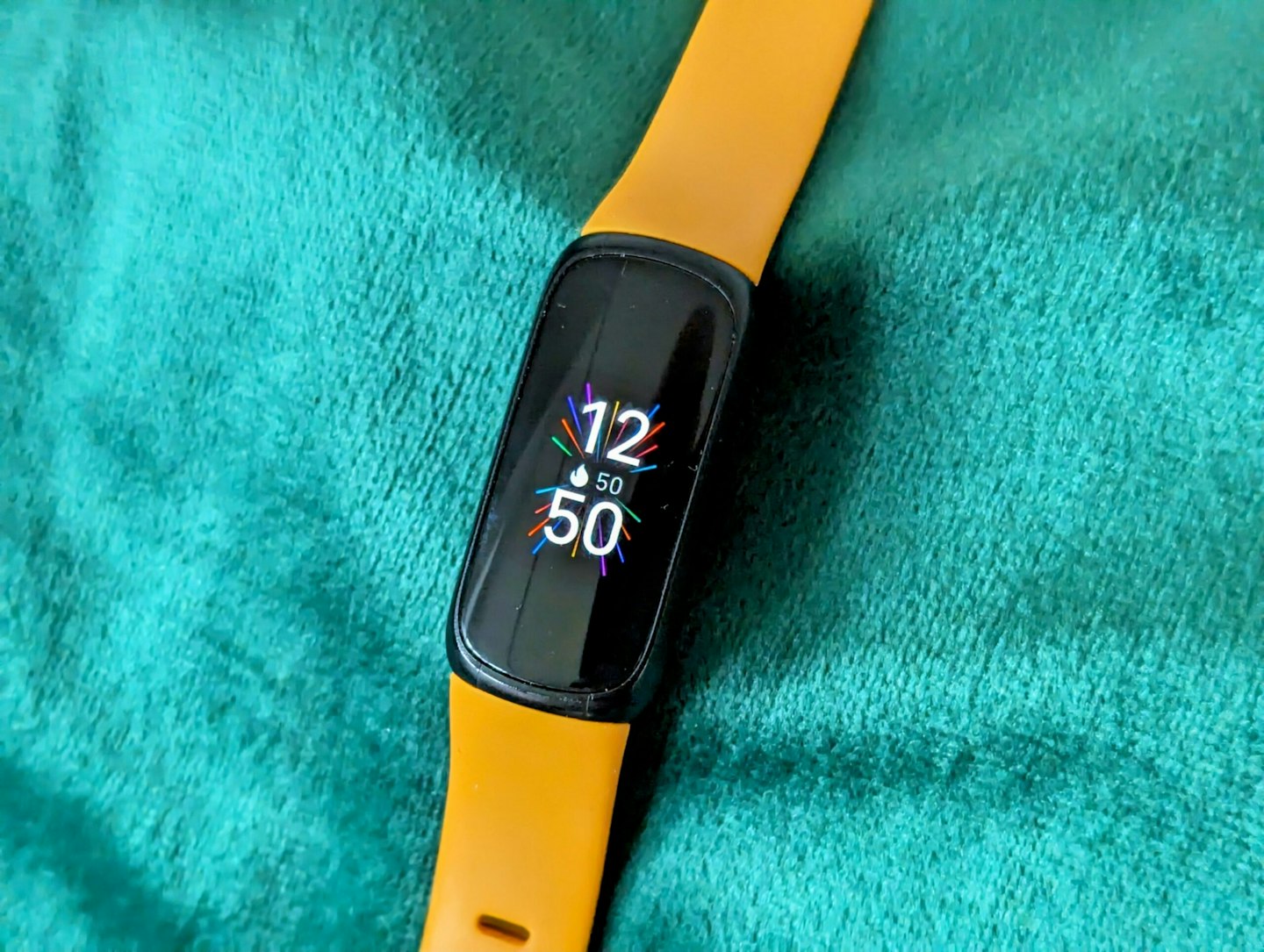
Sleep tracking offers enormous benefits to just about any lifestyle, but when technology and health intertwine, there are always two sides to the debate.
Let’s start with the principles of sleep tracking and monitoring: In theory, sleep tracking can be a force for positive change. Jules Goldberg, sleep monitoring app developer behind Snoring Lab, Snoring Gymand Sleep Wave He talks about his stance on sleep monitoring and the ethics he has built into the app: “Sleep data can be enlightening by shining a light on invisible parts of our lives, and can encourage positive lifestyle changes.” In other words, it’s not just sleep monitoring that benefits you, but the benefits of actively interpreting the recorded data. One of the biggest benefits sleep tracking can offer anyone is knowledge and education.
Most technology, especially those that interface with health and lifestyle, always comes with limitations and sometimes risks. Sleep monitoring technology is no exception, and whether you’re using a full device or just an app, there are aspects everyone should be aware of.
First, not all sleep trackers or sleep tracking apps are created equal. There are bound to be differences between sleep trackers, and we’re not just talking about design. Different manufacturers have completely different software and firmware for their sleep tracking gadgets. This limits the widespread practice of sleep tracking, as it can be difficult to tell the exact one from the other. You can use a specific sleep tracker or sleep monitoring app, but the results may vary slightly depending on the brand and developer.
When it comes to tracking and monitoring your sleep, accuracy is paramount and you can’t work with inconclusive or inconsistent data.
It has also been said that the process of sleep monitoring can have a negative psychological impact on some users. For example, say you just started sleep monitoring and the device returns negative results about your sleep. This can be counterproductive, and these negative results can make you feel even more stressed, causing your sleep quality to plummet. This scenario is even more dangerous if the results returned are not accurate to begin with.
Get the most out of your tracker gadget
If you want to get the most out of your sleep tracker, you need to start at the beginning. When choosing a sleep tracker device, you want value for your money and features that fit your goals.
Fitness trackers are packed with a variety of health and fitness features, with a focus on sports, exercise, and physical performance. Some also offer basic sleep tracking, but that’s not their primary function. If sleep monitoring is your only priority, a dedicated fitness tracker may not be for you.
You should take a similar approach with smartwatches. Because smartwatches are feature-rich gadgets, the smartwatch market is surprisingly diverse. Most products offer a good balance of features for fitness, sleep tracking, and simple everyday tasks. We recommend doing thorough research before purchasing, especially if you’re looking for a smartwatch with cutting-edge sleep tracking capabilities.
lastly
Sleep monitoring can be an incredible tool if used in the right circumstances, with the right capabilities, and with the right approach. Is it a 100% perfect way to obtain sleep data? No, it’s not, but it’s the closest you can get without specialized medical intervention. Sleep tracking technology has advanced to a level where it’s widely recognized as reliable, given the right circumstances and optimal usage.
If you want to know more about your sleep and improve your sleep habits and quality, a sleep tracker is the perfect solution.
Jack Burrell Jack is a Technology and Fitness Writer and Reviewer at What’s the Best. He focuses on the entertainment sector and keeps up with the latest sports and exercise trends. When he’s not working, you can find him at the gym or watching his favorite, Star Wars, for the thousandth time.
Subscribe to What’s The Best Newsletter You’ll stay up to date with the latest reviews and recommendations from the rest of the What’s The Best team.