

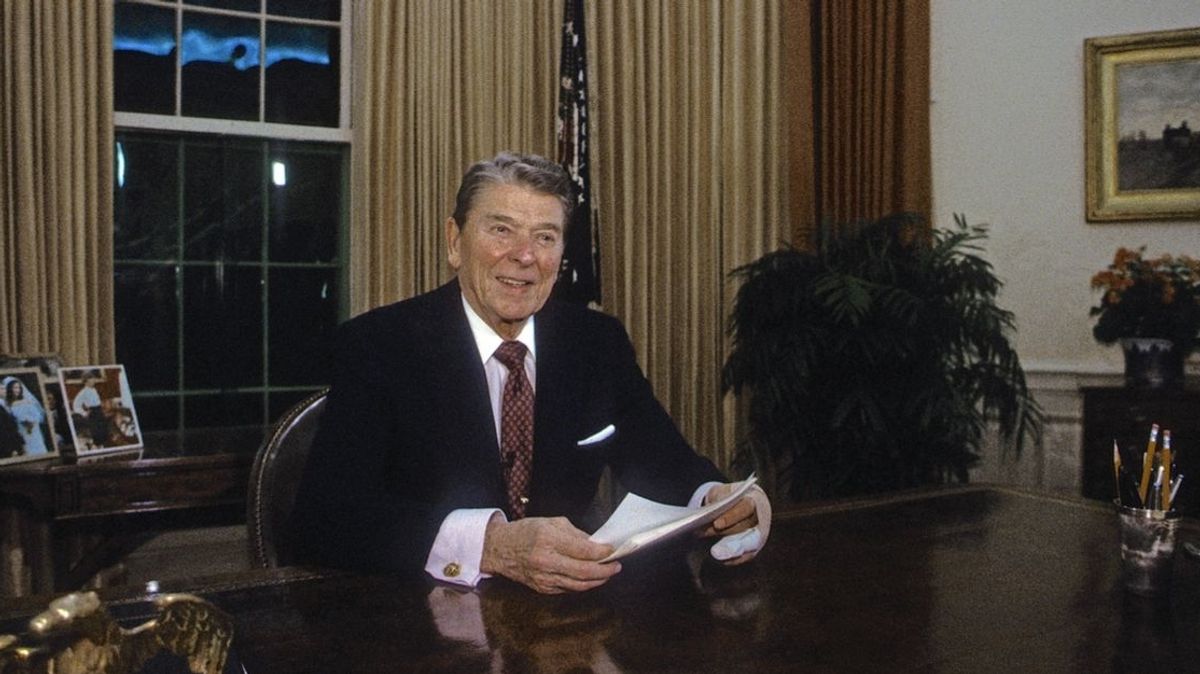
Recent debates about the mental health of U.S. presidents have brought historical concerns, particularly regarding Ronald Reagan and Donald Trump, back into the spotlight. President Reagan faced rumors of cognitive decline during his presidency, but President Trump has taken cognitive tests and maintained that he is in good mental health. The relevance of these concerns has been highlighted by Trump’s call for Biden to undergo a similar test, highlighting the ongoing debate over the need for presidential cognitive health assessments. There is.
Historical concerns and contemporary debates
Ronald Reagan’s presidency was marred by whispers of Alzheimer’s disease, a diagnosis that was confirmed years after he left office. Despite his visible memory loss and confusion, doctors reported no signs of dementia during his tenure. Fast forward to 2018, and Donald Trump was given a clear diagnosis of cognitive health by White House physician Dr. Ronnie Jackson amid questions about his mental health. President Trump’s insistence that Joe Biden take a cognitive test reflects not just personal politics but broader issues about how mental health affects presidential performance. There is.
The science of cognitive health in leadership
Studies of President Reagan’s speech patterns suggested possible early signs of cognitive decline, but these findings did not lead to a formal diagnosis before he took office. Mr. Trump’s cognitive reputation is clear, but it has not quelled public speculation about the mental acuity required for the job of president. The debate has expanded beyond individual cases to the systemic question of whether cognitive testing should be standard procedure for presidential candidates, a means to ensure leadership ability.
Implications for future presidencies
The debate over the mental health of Reagan, Trump, and Biden highlights an important aspect of presidential leadership: the need for transparency in cognitive health. Because the role requires a high level of mental acuity, the public’s interest in cognitive testing reflects broader concerns about aging leaders and stress in the office. While it remains to be seen whether future protocols will include mandatory cognitive assessments, this conversation itself underscores the evolving standards of presidential suitability in the modern era.
As the debate around mental fitness and leadership continues, the importance of transparency and health assessments in top jobs is becoming increasingly clear. This debate not only has implications for the current and future presidency, but also reflects society’s growing understanding of the role of mental health in effective leadership.