

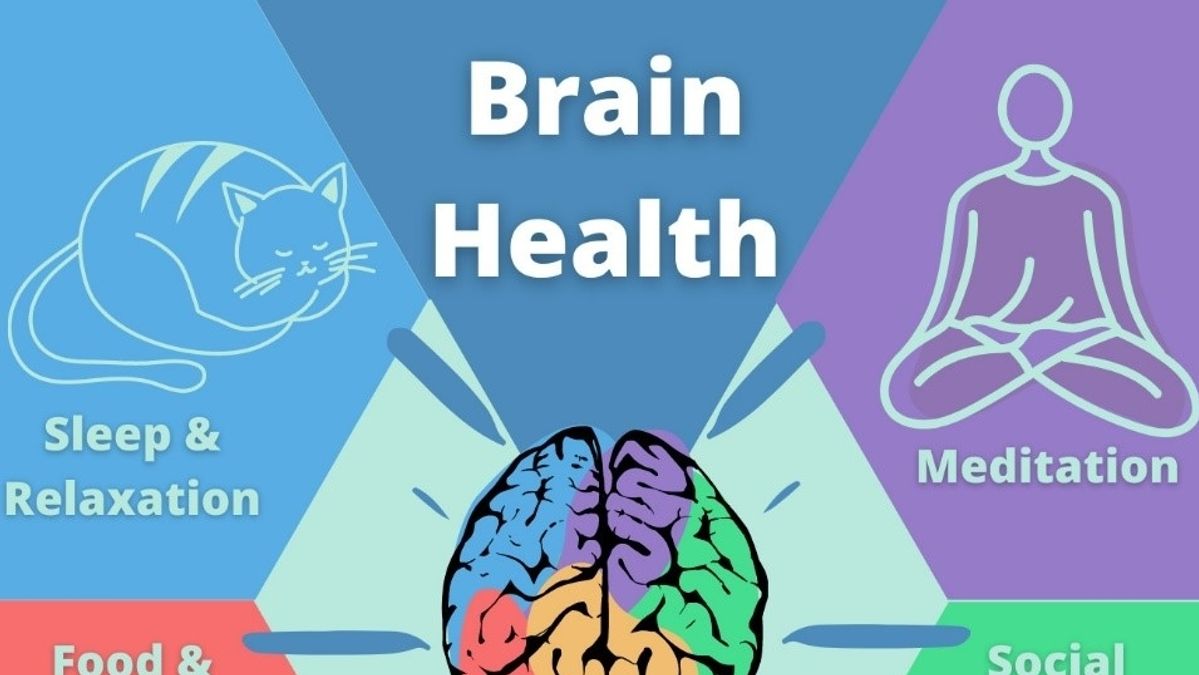
March mark Brain awareness month, a time when medical professionals emphasize the importance of maintaining and improving brain health. As concerns grow over cognitive decline and diseases such as Alzheimer’s disease, new research reveals the brain’s ability to adapt and strengthen over time. BrainFit coach Jude Walter emphasizes the need for a variety of mental challenges to keep your brain in tip-top shape, likening it to exercise for muscle growth.
Understanding brain plasticity
Recent research has focused on the brain’s remarkable ability to grow and change, known as neuroplasticity. This adaptability means that regular and varied brain teasers can significantly enhance cognitive function. Research highlights the effectiveness of resistance training in slowing cognitive decline and strengthening brain resilience in Alzheimer’s patients.
Aerobic exercise: a pillar of brain health
While mental exercises are important, physical activity plays an equally important role in brain health. Neuroscientists point out that aerobic exercise, in particular, may help improve memory, stimulate brain growth, and even reduce the risk of neurodegenerative diseases. Incorporating a balanced combination of strength training and conditioning activities alongside aerobic exercise can further improve cognitive function, demonstrating the close relationship between physical health and mental acuity.
The role of light physical activity in preserving cognitive function
Although not everyone can participate in intense training, light physical activity can also have great benefits for brain health. A study published in the Journal of Behavioral Medicine found that even small increases in light physical activity after middle age can protect against cognitive decline. This study highlights that maintaining an active lifestyle, regardless of intensity, is important for cognitive longevity and highlights the need for accessible interventions to promote healthy aging. .
As Brain Awareness Month continues, the call to action for individuals to engage in mental and physical training is clear. By understanding the dynamic capabilities of the brain and how lifestyle choices influence cognitive health, society can better prepare for the challenges of aging and cognitive disease. The message is clear. Taking care of your brain is just as important as taking care of your body, and it’s never too late to start.