

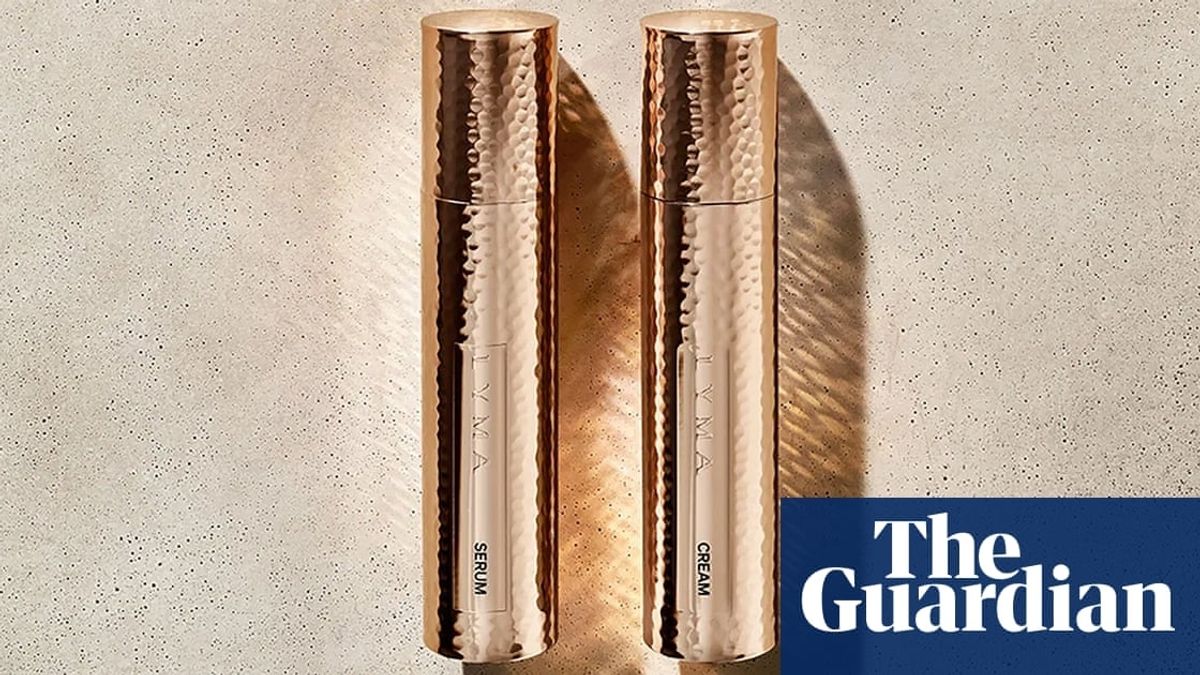
With everything from serums to yogurt claiming scientific backing, experts are calling for stronger regulation in the beauty and wellness space to separate true innovation from marketing hype. Analysts attribute the surge in popularity of these products to increased access to information through social media and increased demand for scientifically validated products.
Consumer demand for scientific verification
Research shows that a significant proportion of UK adults want more scientific backing from beauty brands, with a recent surge in products claiming scientific backing. The explosion of interest in gut health and skin care innovations like Lima Laser highlights the market’s readiness for science-backed wellness solutions. However, the lack of regulatory standards for these claims creates challenges for consumers in selecting these options.
Marketing Strategy vs. Real Science
Lucy Gough, co-creator of Lyma, highlights the problem with brands using the appeal of technology and science as just a marketing strategy. This situation requires government intervention to establish clear consumer benchmarks so that buyers can distinguish between products that are backed by reliable science and those that ride the wave of current trends. The lack of widely accepted standards for scientific labeling of cosmetics further complicates the situation, making it difficult for consumers to make informed decisions.
Dealing with misinformation and consumer skepticism
Experts advise people to view products with skepticism, even those led by renowned scientists, due to the pervasive use of science in marketing. A focus on emerging scientific fields such as genomics and the microbiome offers exciting possibilities, but also opens the door to unsubstantiated claims. Consumers are encouraged to look for products with clear, reproducible science to support their effectiveness, rather than being seduced by the allure of innovative claims without substantial evidence.
In an ever-evolving market full of innovations and marketing tactics, the need for regulation is clear. As consumers navigate the flooded landscape of beauty and health, discerning the difference between true scientific advances and smart marketing remains paramount. The push for regulatory standards and informed consumer choice reflects a broader demand for transparency and trust in an industry where science and consumer trust intersect.