

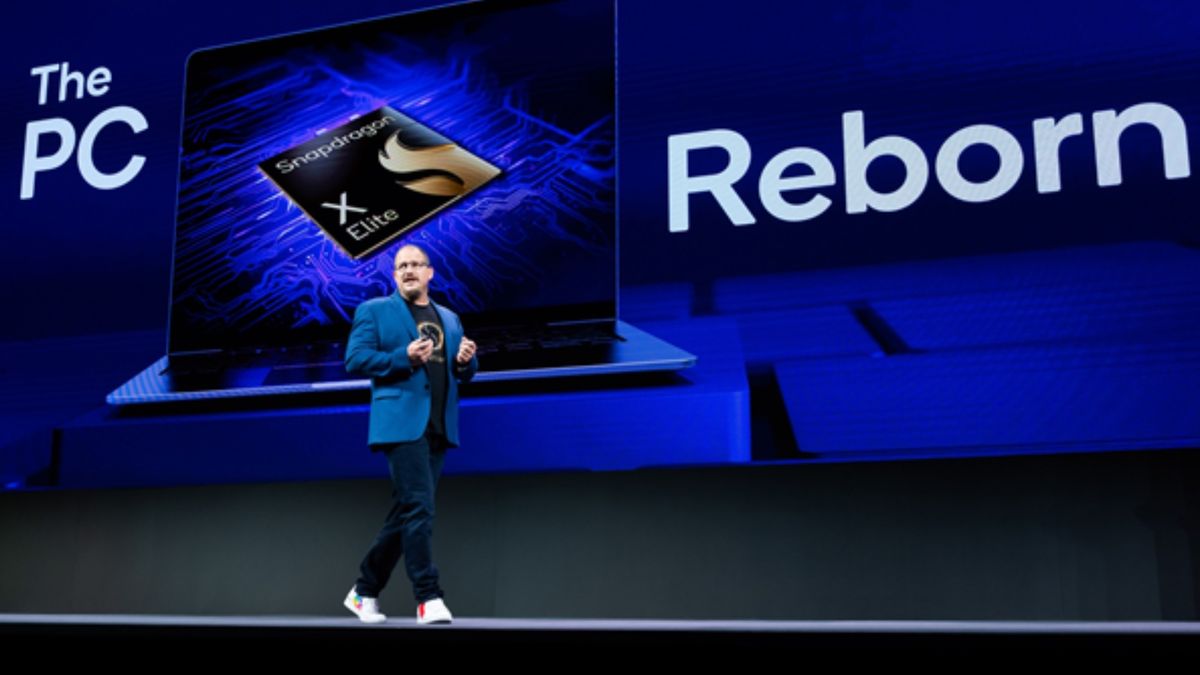
Computex 2024 is already underway, with a flurry of new computing and AI-related announcements. Though the show floor doesn’t officially open until tomorrow, June 4, we’ve already heard about a ton of cool new products over the weekend, and with the Taipei-based show running until June 7, there are plenty more announcements planned to come.
So far, we’ve seen announcements of a laptop made from recycled plastic, a new camera for shooting and livestreaming in 3D, a smart monitor with Google TV, a new Wi-Fi 7 mesh router, the latest AMD Ryzen AI 3000 chips, and more. Here are the biggest announcements from the first day of Computex 2024.
Acer Mesh 7 Router
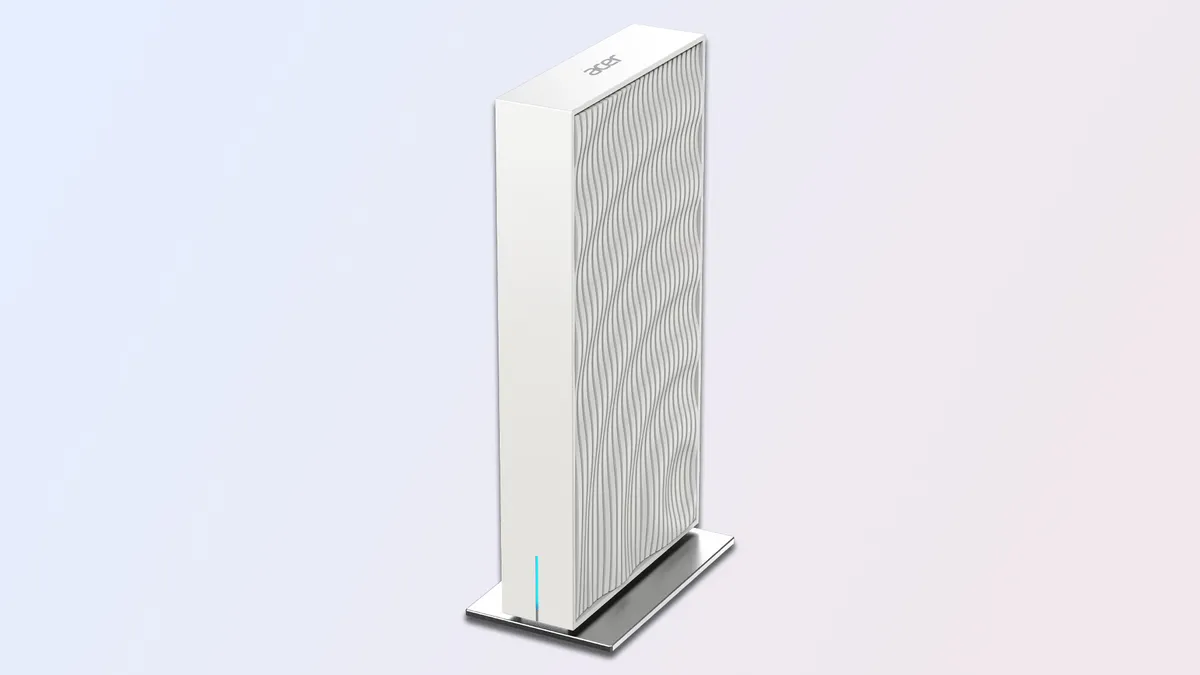
Acer’s latest Wi-Fi 7 technology Mesh 7 Router It can give your home network faster speeds and greater range than your current setup. The router comes standard with 2.5GHz and 5GHz wireless networking, with an optional 6GHz signal. You can expect speeds of up to 6,400Mbps, and Acer promises “exceptional” reliability and latency.
It also leverages hybrid Quality of Service (QoS) software and Intel Killer Prioritization Engine to ensure bandwidth is reserved for the devices that need it most, plus it features three Gigabit Ethernet ports and switchable WAN/LAN options for more flexible network configuration.
The Acer Mesh 7 will be available in the US in the second quarter, and North American pricing has yet to be revealed, but it will cost €119 for a single root, €199 for a double pack, and €299 for a triple pack.
AMD Ryzen AI 3000 Series

AMD has a new Ryzen AI 3000 Series It will be the “world’s best processor” [Microsoft] CoPilot+ PC”. AMD promises 50 trillion AI operations per second, surpassing Apple’s M4 and Snapdragon X Elite, and a 60% increase in GPU performance with RDNA 3.5.
It will also feature up to 12 Zen 5 CPU cores, which are said to offer 70% better multitasking performance than the Apple M3, though there’s no word on efficiency or how this power will affect battery life. Similarly, we’ve yet to see any machines powered by this new chipset, but there’s a good chance we’ll see something before Computex is over.
Acer SpatialLabs Eyes Stereo Camera

While many may consider 3D screens a thing of the past, Acer Spatial Labs continues to develop 3D screens. Their latest development is $549 SpatialLabs Eyes Stereo Camera4x 2.6 x 0.9″ cameras designed to capture content for 3D displays. This 4x 2.6 x 0.9″ camera features two 8MP cameras, electronic image stabilization, and the ability to manually customize settings like a pro.
With SpatialLabs Player 3.0, you can also use this camera to live stream 3D content to various platforms and video calling services, such as YouTube, Google Meet, Zoom, Microsoft Teams, etc. Naturally, it’s also compatible with Acer’s SpatialLabs devices. If you’re interested, the camera is expected to be available in the third quarter of this year.
Acer DA1 and Nitro GA1
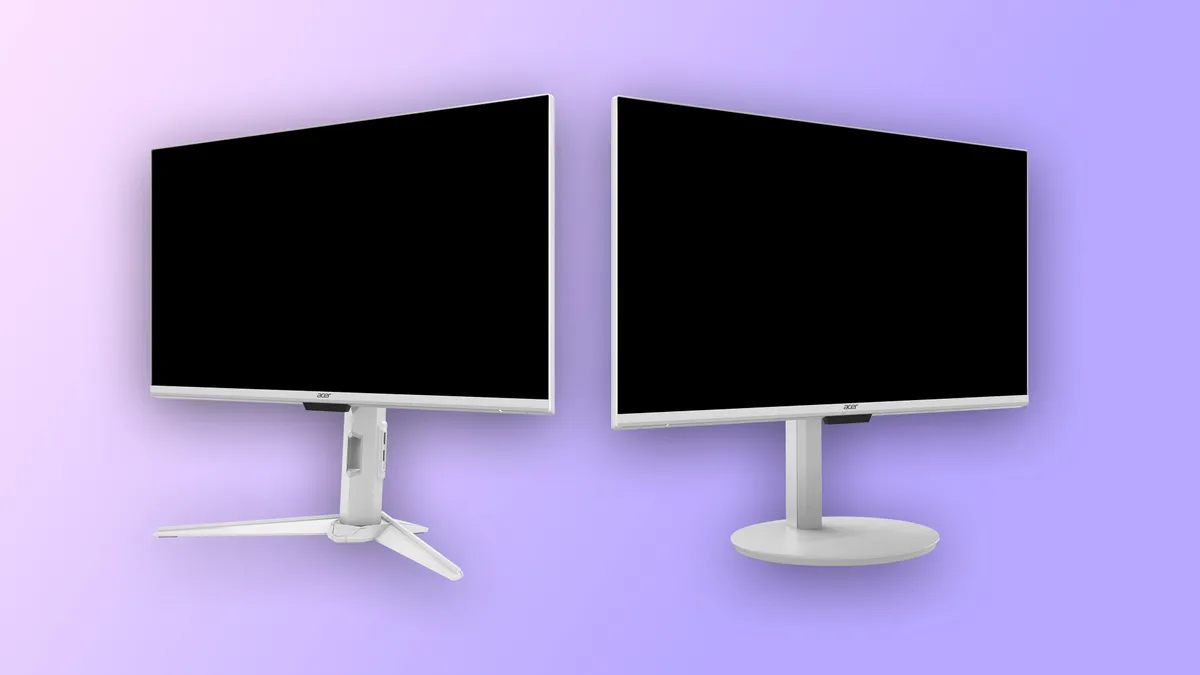
Where is the line between a monitor and a smart TV? Whatever your perspective, it’s clear that Acer has blurred it quite a bit. New DA1 and Nitro GA1 monitors Both have Google TV support built in, perfect if you can’t afford multiple screens in your apartment.
Pricing for the DA1 starts at $349 and it comes in either 27-inch or 31.5-inch sizes. The screen has 4K resolution, a 60Hz refresh rate, 250 nits of brightness, AdaptiveSync, an HDMI 2.0 port, DisplayPort 1.4, USB-C with 65W power delivery, 3.5mm audio, and two USB 2.0 ports.
Pricing for the Nitro GA1 starts at $329 and it’s also available in 27-inch and 31.5-inch screen sizes. It has a QHD resolution and a refresh rate limited to 144Hz over HDMI and 180Hz over DisplayPort. Like the DA1, it has one HDMI port, one DisplayPort, USB-C with 65W PD, two USB ports, 3.55mm audio, AMD FreeSync, and Nvidia G-Sync compatibility. Both monitors are expected to arrive in the US in the fourth quarter of this year.
ASUS ROG AllyX
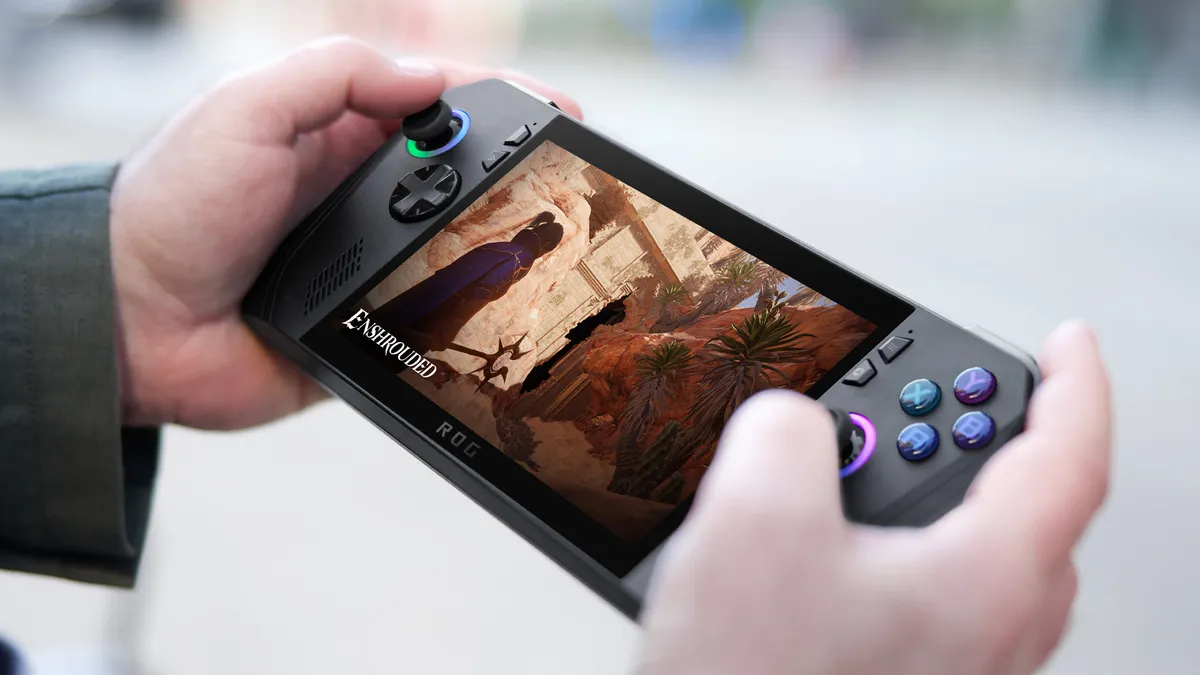
of ASUS ROG AllyX is an all-new gaming handheld that rivals the Steam Deck in performance. It has many improvements over last year’s model, most notably a Full HD display with a 120Hz refresh rate and 500 nits brightness. It also has an 80wH battery, dual USB-C ports, Dolby Atmos speakers, a more precise D-pad, and more durable analog sticks.
The handheld runs on Windows 11 and is powered by the same AMD Ryzen Z1 Extreme as its predecessor. It also comes with a new version of Armoury Crate for customising your game library, an upgradeable 1TB SSD and 24GB of LPDDR5X 700 RAM. The handheld is available now in the US, with prices starting at $799.
AMD Ryzen 9000 Series

Finally, the AMD Ryzen 9000 series has been officially announced, billed as “the world’s most powerful desktop processors” and featuring the next-generation Zen 5 architecture. AMD claims that the chips offer a significant performance boost over the Intel Core i9-14900K, 100% more graphics bandwidth for GPU-centric AI, and 20% faster AI acceleration of large language models.
AMD also confirmed that it will extend its AM5 platform efforts beyond 2027, allowing PC builders to continue using the same motherboards (with the appropriate socket) for many years to come.
ASUS ProArt Laptop
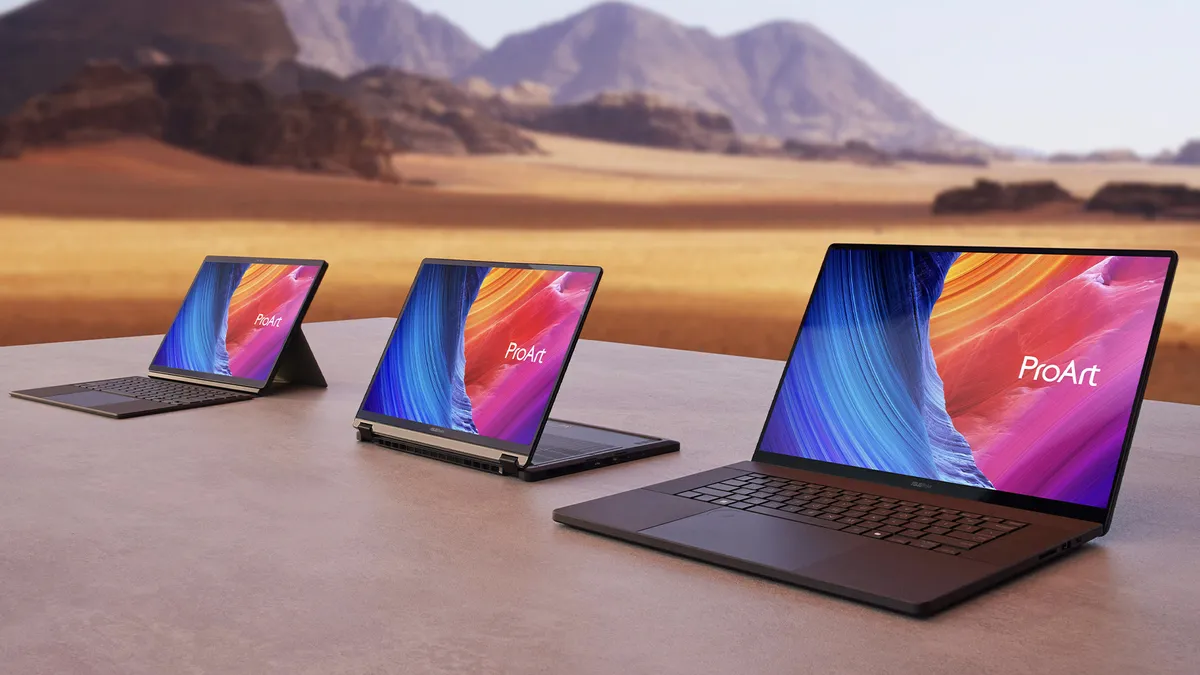
At Computex 2024, ASUS unveiled an all-new series of ProArt laptops equipped with all the technology needed to run Microsoft CoPilot+. It’s clear that the era of AI computing has arrived, with the P16, PX13, and PZ13 leading the way.
All ProArt machines are military-tested for durability and offer 40 TOPS of NPU performance, which helps make the AI more reliable. Not to mention, these creative-centric machines have bigger screens with better color accuracy, stronger graphics, and some seriously beefy batteries to keep you working.
ASUS Gaming Laptop
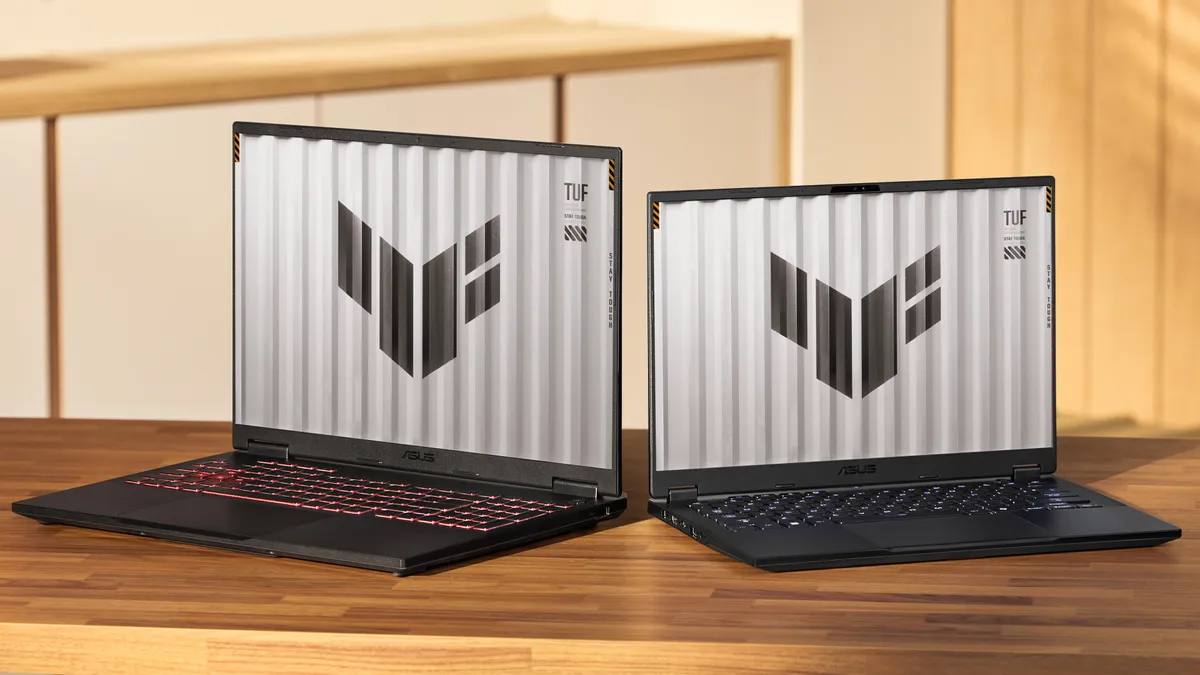
AI is being integrated into everything, and gaming laptops are no exception. ASUS has announced three new gaming laptops, each equipped with the new AMD Ryzen AI 300 NPU chipset capable of processing 50 million TOPS per second.
First up is the ROG Zephyrus G16, which features an OLED display with 2.5K resolution and a 240Hz refresh rate, an Nvidia GeForce RTX 4070 GPU, a host of AI tools for content summarization, image generation, code reading and debugging, and Wi-Fi 7.
Additionally, the TUF Gaming A14 and A16 laptops feature 2.5K resolution displays, 165Hz refresh rates, RTX 4070 graphics cards, and up to 32GB of RAM. Though there’s no OLED screen this time around, the laptops themselves are user-friendly and ergonomically designed, so they should be comfortable to use even during long gaming sessions.
More articles from Tom’s Guide

Back to MacBook Air
