

- Feminist discourse is used to sell unproven medical treatments to healthy women
- Researchers call for greater vigilance against easy health messages for women
Companies are jumping on feminist health trends and selling unproven devices, tests and treatments, experts warn.
Women are at risk of harm if their health is allowed to be “hijacked” by vested commercial interests, the researchers added.
Writing in the BMJ, Dr. Tessa Kopp argues that marketing that seeks to capitalize on the momentum of equality and empowerment can lead to inappropriate medicalization, overdiagnosis, and overtreatment.
University of Sydney academics are calling for greater vigilance against simplistic health messages that claim all knowledge is power.
And she calls on health professionals and governments to ensure access to easy-to-understand, balanced information based on high-quality scientific evidence.
Dr. Kopp and her colleagues highlight that companies have historically abused messages about women’s autonomy to encourage women to smoke and drink.
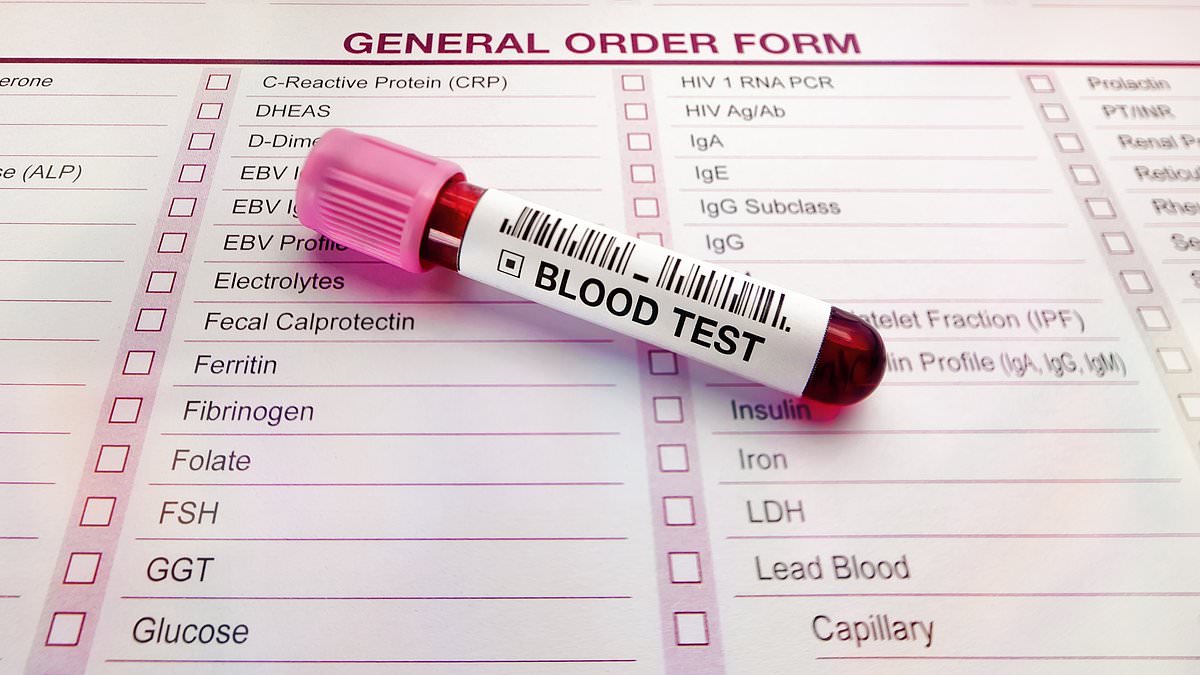
But researchers say the phenomenon is now extending to women’s health across the board, including breast cancer screenings, hormone replacement therapy, menstrual tracking apps, drugs to treat sexual dysfunction, and selective egg freezing.
The problem is not with any use of medical technology, tests, or treatments, but rather with commercial interests extending such interventions to far larger groups of women than are likely to benefit without clarifying their limits. They emphasize that the problem lies in the way it is imposed on people.
They discuss two current examples to discuss how feminist discourse is being used to promote non-evidence-based medicine for healthy women.
The first is the anti-Mullerian hormone (AMH) test, which measures AMH levels in the blood, which is related to the number of eggs in a woman’s ovaries.
Despite clear evidence that this test cannot reliably predict a woman’s chances of becoming pregnant, fertility clinics and online companies continue to offer claims such as “Information is power and you can take control of your fertility.” is used to market this test to the general public.
Dr. Kopp said misleading marketing using feminist rhetoric encouraging women with no signs or symptoms of infertility to undergo AMH testing to check their fertility or inform their reproductive plans “has been The evidence shows that the tests are fraudulent, ultimately undermining empowerment and informed decision-making.” Not valid for these purposes. ”
The second is the view that all women undergoing screening should be informed about breast density, which is one of several independent risk factors for breast cancer.
While the debate emphasizes women’s “right to know,” the authors argue that breast density notifications are currently being used to encourage additional screening without solid evidence to prevent breast cancer deaths. Pointed out.
The researchers added that while breast density notifications can increase women’s anxiety, confusion, and intention to seek additional screening, the unreliability of breast density measurements is another concern.
Even in the absence of clear evidence that the benefits outweigh the harms, some argue that advances in technology, increased information, and increasingly personalized care can still advance women’s knowledge and health.
However, while the authors fully support strengthening patient autonomy, the authors note that marketing and campaigns that seek to intervene or provide information without specifying limits or unclear evidence of benefit “risk causing more harm than good.” “and may therefore be contrary to the mandate being sought.”
The UK government’s 10-year women’s health strategy aims to tackle a culture of “medical misogyny” where women struggle to receive the same quality of care as men.
Ministers said their goal was to ensure that “women and girls feel heard and their concerns taken seriously at every step of their journey, from discussing symptoms to treatment and follow-up care.” is listed.
In 2022, 84% of those who responded to the official consultation said that women often feel ignored or not listened to when they seek help from the NHS for their health. This system was launched in July.
“The feminist narrative of increasing women’s autonomy and empowerment over health care, which first arose through the early women’s health movement, is now a new narrative that lacks solid evidence or ignores the available evidence,” Dr. Kopp said. “They are increasingly being employed by commercial organizations to promote targeted interventions.”
“Increasing awareness and advocacy for women’s health is important, including the need to improve resources for under-researched diseases and reverse historical biases that prevent optimal treatment for women. It is essential to overcome equality.
“But promoting medical interventions that are not supported by evidence, or concealing or downplaying evidence, increases the risk of harm to women.”
In conclusion, she wrote: “We need to ensure that the goals of feminist health advocacy are not undermined by the commercial exploitation of feminist discourse that promotes care that is not evidence-based.”
In a linked editorial, Sarah Hawkes from University College London argues that women should use the power of “collective action” to stand up to companies that take advantage of them.
She said such an approach is “successful and replicable as a strategy to protect and improve all aspects of women’s health and promote women’s health rights as a matter of social justice rather than corporate profit.” states.
The BMJ study highlights the following statement published on the website of British fertility and health clinic Hertility: Understand your hormones and fertility, take ownership of your symptoms, and get the professional care you deserve every step of the way. ”
She added: “Whether you’ve been trying for a while or are just starting to think about your future family options, you have the right to know exactly what’s going on inside your ovaries and every other part of your body.” Masu.
It also refers to the London Women’s Clinic website, which says: “By giving everyone the opportunity to find out their fertility level, we want to help you make an informed decision about your future. We hope to be in a better position to make decisions.”
The Women’s Health Clinic did not respond to a request for comment, but Hertility said in an email that “our tests are based on clinical and scientific evidence, and that anything else could be very harmful.” It suggests that.”
“Hertility adheres to the highest standards of regulatory approvals across the UK and Europe, including government Healthcare Quality Commission approval for diagnosis, treatment and prescribing.
“At Hertility, we do not recommend testing just AMH levels.
“We test for up to 10 different hormones, and testing is always based on your personal medical history, age, symptoms, past or current health conditions, medications, and lifestyle.
“This approach goes beyond the narrow scope of single hormone levels and provides a more accurate and meaningful assessment of reproductive health.”