

VR cycling experience in space: HTC helps astronauts on the ISS stay healthy and maintain muscle.
fact
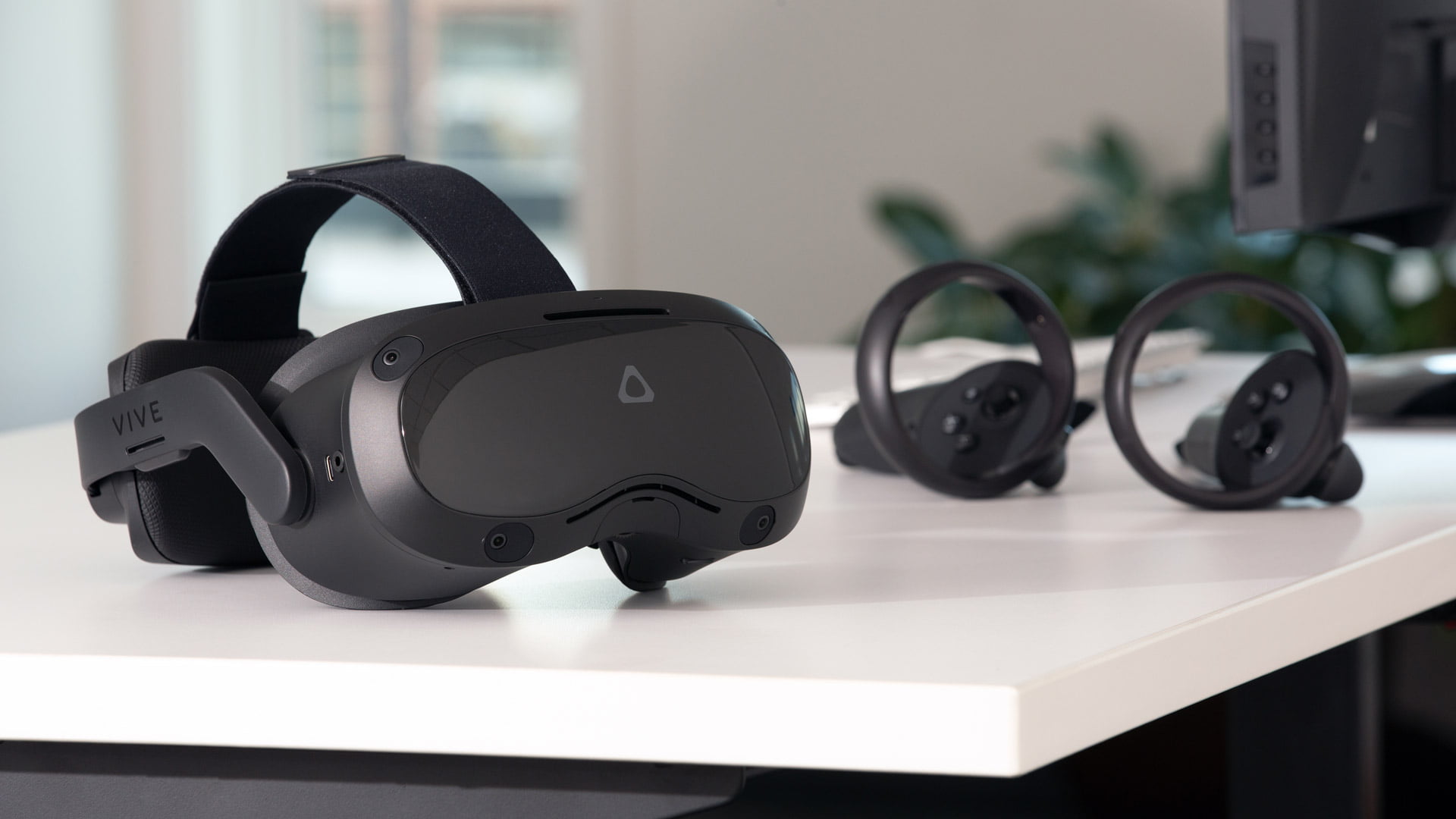
The Vive Focus 3 VR headset is being used to improve the physical health of astronauts on the International Space Station (ISS). The combination of a VR headset and a zero-gravity ergometer, developed by the Danish Aerospace Company, is designed to provide a visually and physically tailored training experience while cycling.
In an accompanying VR experience, the landscape changes as the cycling astronaut moves. In addition, fitness information is transmitted via his Bluetooth to the ergometer, which continuously adjusts the resistance.
The VR environment includes five different cycling routes filmed in Denmark, including Lokken, Silkeborg, Svaninge Backer, Odense-Aasti, and Lake Copenhagen.
context
VR for physical and mental health in space
The HTC Vive Focus 3 was prepared for use on the ISS late last year. The sterile environment and isolation of the space station can take a toll on astronauts’ mental health, so a trip to virtual reality could be a welcome respite.
In collaboration with XRHealth and Nord-Space Aps, HTC has adapted the HTC Vive Focus 3 to the demands of space. In addition to VR therapy to improve mental balance, VR experiences to improve physical strength have also appeared.
British space expert Jeremy Curtis says astronauts can lose up to 40 percent of their muscle mass and 12 percent of their bone mass after five months in space. After returning to Earth, physical rehabilitation typically requires up to 12 months to regain full health. For this reason, two hours of physical training per day is required in space.