

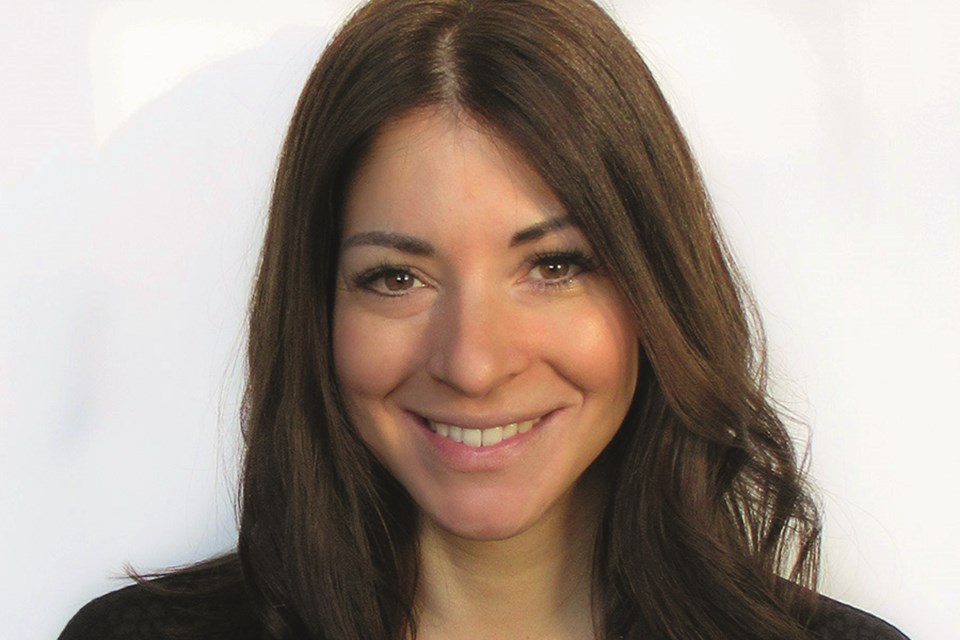
Sarah MacKenzie, CEO, Storal. All opinions are my own.
Wednesday, May 29, 2024
To tackle issues around attendance and behaviour, schools could learn a lot from how the early childhood sector responds to the children in their care.
From attendance czars to “Every Moment Counts” campaigns, even those outside the education sector cannot escape the amount of media coverage about the “problem” of school attendance and the initiatives launched to address it. It is not uncommon for me to think, “Just look at early childhood,” but this time I want to shout out loud: Learn from us.
I know there are obvious differences between schools and the field of early childhood education, but despite these differences, I believe there are things we can learn from our approaches.
We know that poorer mental health, special educational needs diagnoses and school-related anxiety in children are on the rise. Instead of jumping straight into command and control and imposing fines, why not look at the circumstances of these children: childhoods disrupted by the pandemic, lack of rapid access to health and support services, an increasingly rigid and controlling primary education system.
I remember a child psychologist on a podcast likening schools to prisons, with limited access to the outdoors and an emphasis on obedience and compliance. I was disheartened. Maybe the analogy is overblown, but there’s something to it: the coupling of obedience with an increasingly narrow curriculum.
Here I want to shout out: Look at our early childhood years. See how we meet children where they are, differentiating for their individual strengths, interests and developmental stage. See how we use something exciting and interesting for them as a hook to draw them into learning and make it irresistible. See how we use the outdoors, how we blend pedagogy, how we innovate and balance flexibility and boundaries. See how we understand challenging behaviors – communication, fight response, dysregulation – and respond with support, not with stopping. See how we comfort with hugs. See the breadth of our curriculum, how areas of learning are interwoven and animated with real-world applications.
I hope for the sake of all the children who are with us now that resources are poured into a greater understanding of child development, pedagogy, trauma, co-regulation, mental health, and neurodiversity, rather than czars, advertising campaigns, and forced conformity. After all, children cannot learn where coercion is present.