

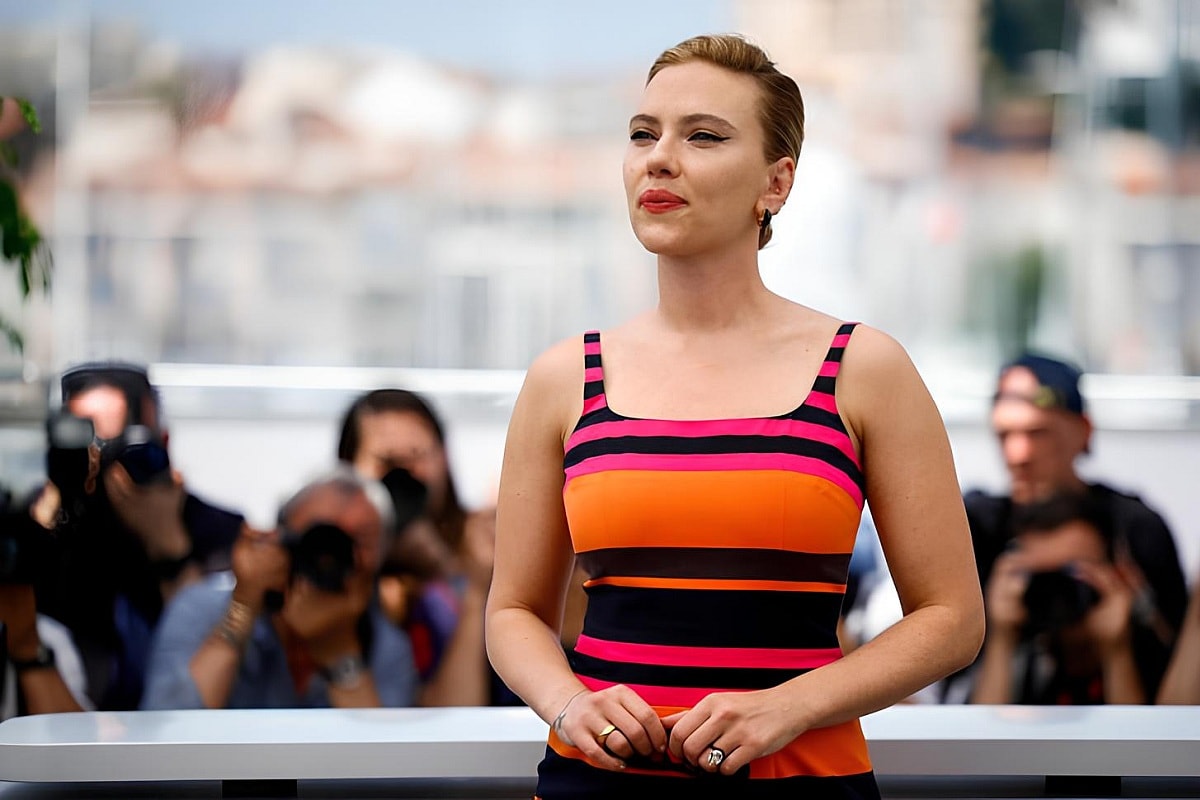
The revelation that OpenAI imitated Scarlett Johansson’s voice in a tribute to the film “Her” has sparked a backlash against artificial intelligence across Hollywood, executives have told Reuters.
After failing to reach an agreement, Johansson accused ChatGPT’s creators of copying her performance in a Spike Jonze feature film, rekindling fears about the existential threat posed by AI for the creative class, even as Hollywood studios test new tools and consider partnering with OpenAI.
“This really seems to have resonated with people,” one industry executive said. “It makes it seem human… a well-known tech company has done something to someone we know.”
OpenAI stunned the world in February when its text-to-video conversion tool, Sora, produced feature-film-quality videos. Since then, Hollywood executives and agents have met multiple times with the company to discuss potential creative partnerships and applications of the technology, according to agents and industry executives.
Johansson’s slamming OpenAI for using a sultry voice that was “eerily similar” to her own performance in a public demo of the latest version of ChatGPT has angered some entertainment executives amid talks to work more closely together on the project, people familiar with the matter told Reuters.
“You’ll never have a respectful collaboration between content creators and tech giants,” one studio executive said, calling OpenAI’s actions “arrogant.”
OpenAI CEO Sam Altman said in a statement on Monday that the voice “is not Scarlett Johansson’s, and we have never attempted to imitate her. We cast a voice actor to voice Skye before contacting Ms. Johansson.”
The company, in which Microsoft is its largest investor, did not respond to a request for comment about its ties to Hollywood after the dispute.
Agents and executives who spoke to Reuters on condition of anonymity said they had been concerned for weeks, even before the recent dispute, that OpenAI’s models appeared to have been trained on copyrighted works. The company considered it a fair use because the works were publicly available on the internet. That’s seen as a major stumbling block for professional directors and filmmakers who are hesitant to use tools built on other people’s work without their consent.
But technologists across the entertainment industry see Sora as a promising tool to enhance the film and TV production process, and they believe the technology will soon be used to speed up digital effects.
Fox is already using OpenAI’s ChatGPT to recommend new TV shows and movies to viewers of its Tubi streaming service.
OpenAI aims to protect copyrights and says it will block the generation of videos featuring well-known characters like Superman and famous actors like Jennifer Aniston, but concerns remain about how it will protect lesser-known actors.
I lost my voice
Johansson’s standoff with Open AI opens a new chapter in the content industry’s battle with AI leaders. According to John Yanchunis, a partner at law firm Morgan & Morgan, Johansson has grounds to argue that Open AI violated her right of publicity, which gives individuals the right to control the commercial use of their name, image and likeness.
Singer Bette Midler used California law to get her voice back in a case that legal scholars say set a precedent. She sued Ford’s advertising agency Young & Rubicam and won after the company hired former backing singers to imitate her singing of “Do You Want to Dance?” in a car commercial, but Midler declined to perform the song. The case, filed in 1987, went all the way to the Supreme Court, which upheld Midler’s right of publicity. Tom Waits won a similar lawsuit against Frito-Lay in 1988 after a commercial featured an imitation of Waits’ raspy singing voice.
“In both cases, the lookalike was singing a song that the singer made famous, so people would likely infer that the singer was singing and promoting a product,” said Mark Lemley, director of Stanford University’s Law, Science and Technology Program.
While Johansson’s case is less clear-cut than the previous ones, Laemmle said her attempts to imitate her voice in “Her,” as well as Altman’s repeated efforts to hire her and tweets referencing the film, make for a “pretty strong case for Johansson.”
Jeffrey Bennett, general counsel for the SAG-AFTRA performers’ union, which played a key role in establishing publicity rights in California and across the country, has been pushing for federal laws for speech and publicity rights similar to the federal protections for copyright.
“I’m excited that there’s a bigger conversation happening about this issue right now,” Bennett said. “We’ve been trying to use the bullhorn to be loud about this issue for quite some time. We’ve been talking about the spread of ‘deepfakes,’ and now it’s starting to affect everyone. Now this is really controversial. We need a federal solution.”
© Thomson Reuters 2024
(This story has not been edited by NDTV staff and is auto-generated from a syndicated feed.)