

- Swiss company Victorinox is producing a bladeless version of its iconic product
The maker of the iconic Swiss Army knife is developing a new version without a blade in response to stricter carrying restrictions around the world.
Victorinox, a Swiss company that makes pocket tools, has made the decision to remove the most important parts from its knives in hopes of appealing to more customers.
With its iconic red clasp and a variety of tools, the Swiss Army knife has become an essential part of the kit of campers, hikers, and even astronauts over the past century.
But Victorinox said it was in the early stages of developing a bladeless version of the product, as more countries make carrying knives illegal or restricted.
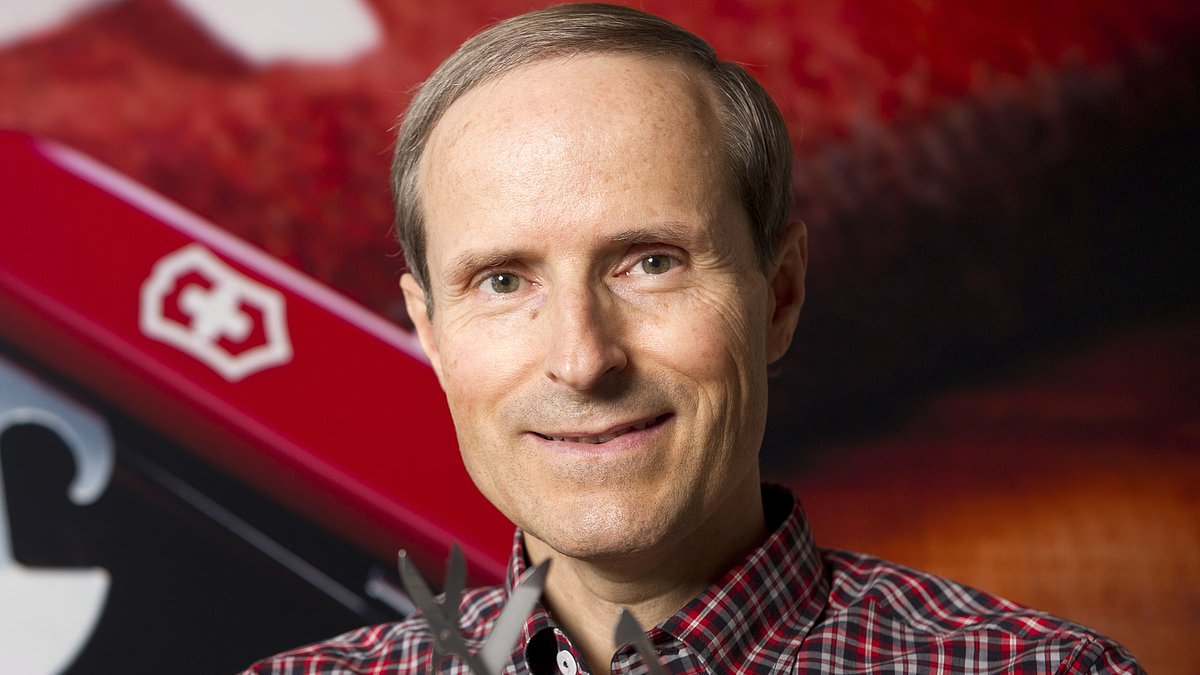
Karl Elsner, the company’s fourth chief executive, told Swiss news outlet Blick: “We are concerned that violence in the world will lead to stricter regulations on knives.”
“In some markets, the blade creates the image of a weapon. We keep in mind that we are creating a useful tool for cyclists.
“Cyclists need specific tools, but they don’t necessarily need blades. We already have tools specifically for golfers.”
Elsner highlighted the United Kingdom as an example of a country where “carrying a knife may only be allowed if necessary to perform a job or if you are outdoors.”
“Victorinox wants to counter this trend by developing bladeless tools for specific outdoor activities and sports,” he said.
In the UK, it is illegal to carry a knife unless you have a legitimate reason to do so, such as for work or religious reasons.
Still, the knife must have a folding blade that is less than 3 inches (7.62cm) long.
The Swiss Army Knife was first developed in 1891 in Ibach, Switzerland, and was originally called the Officier Messer or Officer’s Knife because the company had a contract to supply knives to the military.
Six years later, the product was given the name Swiss Army Knife.
Victorinox currently produces around 10 million pocket tools a year, with around 400 different types to choose from.
But until now it always had at least one blade.
Despite this, the company has already had to adapt its products to tightened knife restrictions, and its sales fell 30 percent in the aftermath of 9/11.
And in 2016, during a House of Commons debate on banning blades longer than 2 inches, one MP asked whether Swiss Army knives should be banned.