

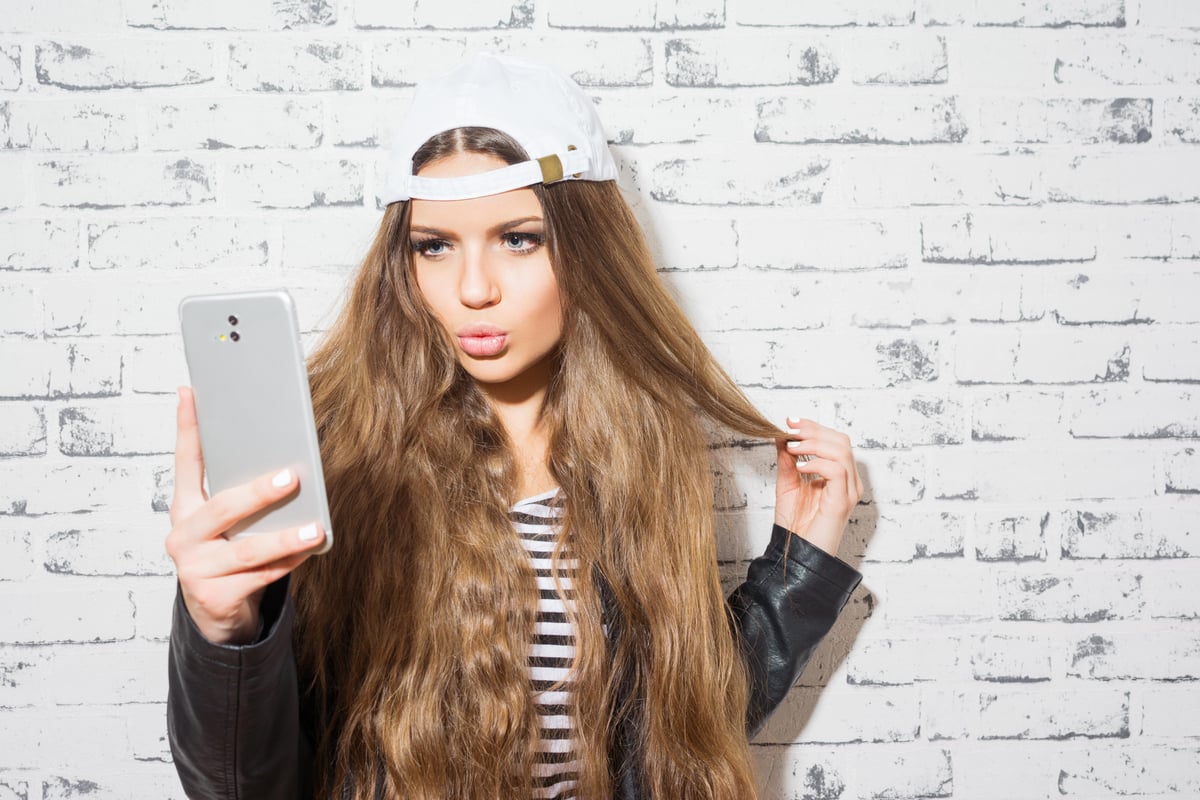
THURSDAY, March 7, 2024 (HealthDay News) — Selfie culture on social media appears to be increasing people’s desire to undergo cosmetic procedures, new research suggests.
Researchers found that time spent on Snapchat and Instagram seemed to increase a person’s interest in such procedures. This is especially true if you use filters or photo editing applications to modify personal photos you post.
“While there may be many factors contributing to this, social media use may have increased the desire for cosmetic procedures among some patients,” said Neelam Vashi, senior researcher and associate professor. The research team led by Dr. Department of Dermatology, Boston University School of Medicine.
Patients were also more likely to seek cosmetic surgery if they followed celebrities or influencers on social media, or if they followed accounts from plastic surgery or dermatology clinics that showed the results of cosmetic surgery.
All of these factors gained momentum during the pandemic, with people stuck at home spending more time on social media and subsequent interest in cosmetic surgery, researchers said.
For example, study participants who followed social media accounts showing cosmetic surgery results increased from about 32% pre-COVID-19 to 51% post-COVID-19.
At the same time, the number of people considering cosmetic surgery increased from 64% to 86%, and the number of people who had consulted a doctor about plastic surgery increased from 44% to 68%.
Overall, researchers found that about 78% of participants post-COVID-19 said they thought cosmetic surgery helped their self-esteem, compared to 48% of participants pre-pandemic. .
The new study was published on March 1st. Journal of Clinical and Cosmetic Dermatology.
“Interest in beauty has increased during the coronavirus pandemic, but so far there has been no data highlighting clear links or factors that make patients more or less likely to participate in cosmetic treatments.” Vashi said in a university news release.
For the study, Vashi and colleagues surveyed 175 patients at an outpatient dermatology clinic in Boston from October 2019 to June 2021. The study included 75 cosmetic patients, 49 general dermatology patients, and 51 non-patients.
Why is there so much interest?
Researchers say smartphone and computer cameras used for selfies and video chats often distort facial features, causing people to be dissatisfied with their appearance.
“This is supported by data showing that increased use of video calls is associated with increased acceptance of cosmetic surgery by patients,” the researchers said. “As our world continues to transition to include more virtual components, these numbers are likely to increase further.”
The researchers added that exposure to photos of attractive people and direct-to-consumer advertisements for cosmetic procedures through social media further increases interest in improving one’s appearance.
As a result, people use photo-editing apps like FaceTune, Lightroom, and SnapSeed to edit their selfies before sharing them on social media, the researchers said.
The researchers advise cosmetic surgery practitioners to discuss the use of social media and video platforms with their patients as a means of understanding patients’ desires for cosmetic surgery.
Such discussions can also help patients better understand potential outcomes, the researchers added.
“Quality care begins with quality conversations. We hope this study will encourage healthcare providers to ask questions about all aspects of their patients’ lives to better understand their motivations and goals for care.” “We are working hard,” Vashi said.
For more information
The American Society of Plastic Surgeons has more on social media and plastic surgery trends.
Source: Boston University School of Medicine, March 4, 2026