

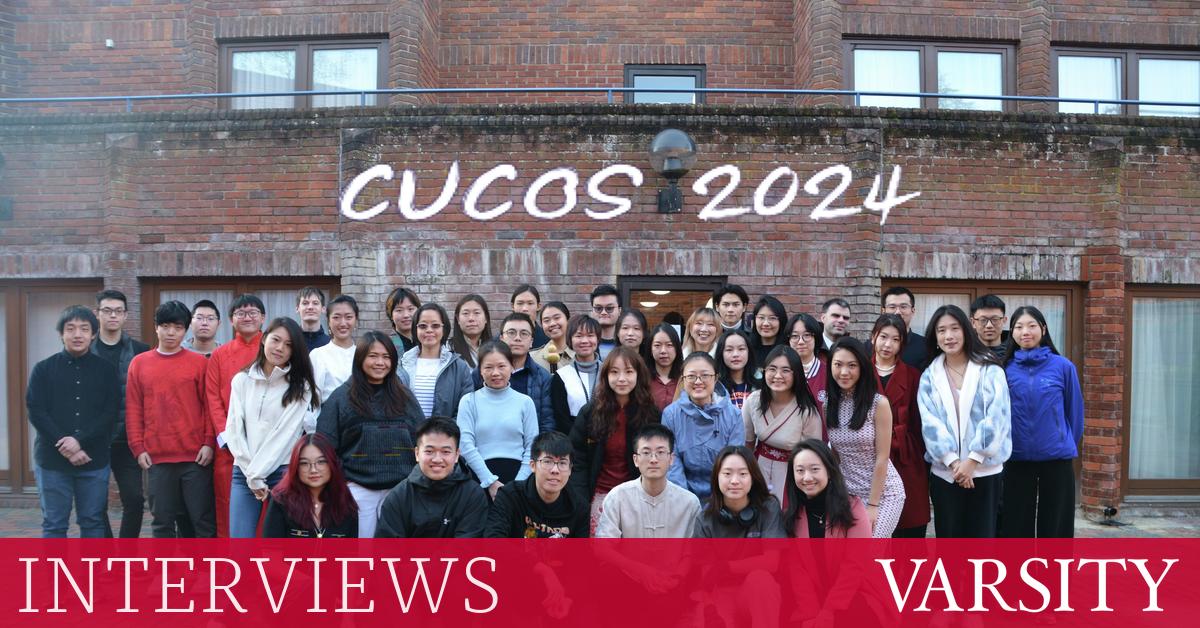

2024 Cambridge University Chinese Orchestra AssociationCambridge University Chinese Orchestra Association
Simin Wu, a second-year student in the Department of Natural Sciences, has a huge workload. However, in between his studies, he will take on a further leadership role as President of the Cambridge University Chinese Orchestra Society (CUCOS) from 2023 to 2024. In running Europe’s largest student-led Chinese orchestra, Mr Wu aims to combine his lifelong passions. Chinese music bridges the cultural gap between East and West.
Since its founding in 2007, CUCOS has introduced both Chinese and Western instruments, from the erhu to the cello, to make Chinese music more accessible. We have cellos, violins, pianos, and even drum sets, harps, and accordions,” Wu explains. This diversity promotes an ethos of inclusion that distinguishes CUCOS from many music peer organizations in Cambridge.
“Westerners generally know little about Chinese culture, especially in the area of music.”
However, Wu, the current president, said, “When the association was handed over to me, there were only two of us on the committee,” adding that the orchestra’s leadership after the pandemic hit and hit alumni hard. Reminiscing about the state of He describes the hard rebuilding efforts: “For the Freshers’ Fair, we put a lot of emphasis on promoting the orchestra. We also brought postcards in the style of Chinese paintings, which attracted a lot of attention. Even before the fair officially started, We have launched a massive posting and promotion campaign.” Through this vigorous activity, CUCOS achieved an impressive rebirth in the 2023 Freshers Fair. The orchestra currently rehearses weekly with more than 40 regular members, thanks to the dedicated efforts of committee members (mostly Chinese) who have since been brought into the association. This regrown ensemble is hard at work preparing concerts and events aimed at community bonding and cross-cultural education.
Mr. Wu faces considerable challenges in attracting a wide audience unfamiliar with or indifferent to traditional Chinese music. He admits that while classical Western orchestras thrive on campus, CUCOS, despite striving for openness, is less well known. Wu points out that the number of “audiences and musicians interested in Chinese music” remains relatively small.
“As Chinese students, we have multiple channels to learn about Western culture, but Westerners generally know little about Chinese culture, especially in the area of music. That can be very unfortunate.” he says. Several factors perpetuate this perception gap. Chinese culture is spread abroad primarily through profit-driven pan-entertainment that prioritizes mass appeal over deep connections and historical connections. So while Chinese food is recognized, traditional music remains relatively marginalized. Particularly among the younger generation, which is immersed in the rapid consumption of digital content, there is a low propensity for engaging art forms like Chinese orchestral music. The dominance and strong export power of Western classical motifs and Korean pop culture has relegated Chinese products as less palatable abroad due to their cultural roots.
When strategizing how to move Chinese music forward against these trends, Wu believes that choosing modernization over preservation is essential to preserving the status quo rather than concession. ing. He actively arranges neo-folk-style pieces alongside more traditional orchestral pieces to resonate with today’s youth. This contemporary genre injects pop influences into Chinese classical music, amplified by a high degree of incorporation of Western instrumentation.
“There are fewer and fewer young people interested in authentic traditional culture and music.”
Wu positions CUCOS not as a bastion of orthodoxy, but as an arbiter who gently advances tradition. “I think this is a kind of development and evolution, because that is a trend that we are actually observing within Chinese society. He also spotlights multimedia concert booklets and member briefings that contextualize musical choices to encourage deeper emotional emphasis during performances.
Despite its niche challenges, CUCOS has fostered a culturally connected community in Cambridge and showcased the diversity of Chinese music through successful concerts such as this year’s Lunar New Year Gala. March’s event at West Road Concert Hall will once again shine a light on society, featuring student work and solo instrumental performances in a variety of styles.
Looking to the future, Wu hopes to foster cross-cultural exchange between Western and Chinese music by fostering exchanges. “I want to encourage more interaction with Western orchestras. My aim is for musicians to discover unfamiliar instruments, and for audiences to access new cultures and develop their appreciation,” Wu said. To tell. He envisions collaborations between CUCOS and Western ensembles. That way, unfamiliar instruments can stimulate the musician’s curiosity, and a joint repertoire can expand the audience’s ears. Greater diversity among committee members may also allow for connections with a broader student population.
At a granular level, the partnership with Robinson College, which secures a rehearsal venue in exchange for an annual concert, focuses on the creative interactions that allow CUCOS to continue to thrive. However, minority music circles in Cambridge often remain segregated, with few institutional bridges to facilitate interaction. Wu appreciates university festivals designed to encourage musical collaboration between individuals, but added, “It would be great to have a university-wide platform or similar opportunity for different musical groups to collaborate with each other.” It also states, “Deaf.”
When asked what motivated him to take on such an intensive leadership role for a niche orchestra, Wu emphasized the meaning of building community and continuity. “I feel like it’s more than just an orchestra. Rather, it’s also a platform for people to connect with each other, share opinions and experiences, and make friends,” he says. Despite limited resources and visibility, Wu persisted through the challenges because of his strong belief in the power of music to enlighten cultural understanding. He encourages more students, regardless of their background, to experience the diverse colors of Chinese music. And through CUCOS’s contemporary resonance and celebration of tradition, Wu is creating a bold new movement that fuses East and West.