PART4 ~ “Birth of Terrifying Beauty” ~ Celtic after the takeover: first half (1994-1997)
Click here to read Part 1, Part 2, and Part 3 of this five-part series.
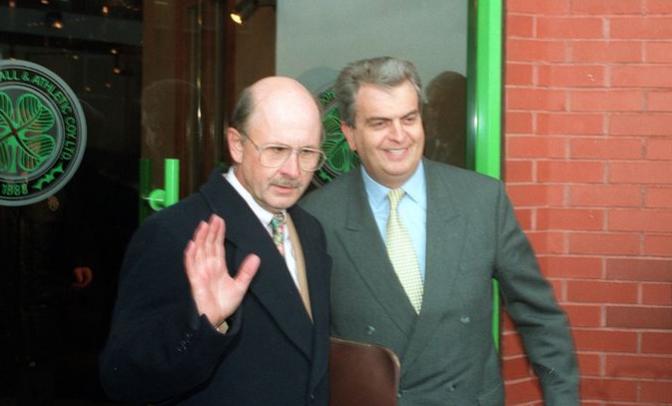
The phrase ‘he who laughs last laughs longest’ may have been coined to describe Fergus McCann’s time at Celtic.
Immediately after his successful acquisition in 1994, he was praised by fans and praised by the media. Neither feeling will last long. Over the next five years, he implemented a series of reforms that ultimately transformed Celtic, but at the cost of his personal reputation, including comic comparisons with Middle Eastern dictators in mainstream Scottish media. was.
As soon as the “rebel” coalition ousted the old board and took control of Celtic, it collapsed. The two most prominent leaders, McCann and Brian Dempsey, soon parted ways. Dempsey initially declined a seat on the board, but he later reversed this decision and was never given the opportunity. This incident would be repeated with other directors, including Willie Hoey and Dominic Keene, who later resigned from the board.
McCann’s plan when he took charge of Celtic was simple. He said he intended to remain at the club for five years. During that time he oversaw a major share issue, restructured the club’s finances, rebuilt Celtic Park and brought a successful team to Celtic Park. At the end of that period, he was planning to sell his shares (so he could recoup his initial investment) and leave Scotland.
His first conflict was with the Celtic manager. Lou Macari took over in 1993, but the team continued to struggle. McCann questioned Macari’s involvement, given that he remains based in Stoke. He then believed that his manager was not supporting him. This led to Macari’s dismissal and later a lawsuit over this.
Celtic now needed a new manager and McCann knew who he wanted. Former player and current Kilmarnock manager Tommy Burns. Celtic pursued Carlton-born Burns despite the Ayrshire side refusing to let him go. Burns ultimately resigned, leading to a long-running dispute between Celtic, Kilmarnock and the SFA, which resulted in Celtic being fined hundreds of thousands of pounds.
But at least McCann had her man, albeit another relationship that would soon fail. In Barnes’ first season, it looked like better days were coming. In November 1994, Celtic faced First Division side Raith Rovers in the League Cup final. It was widely expected that the club would end their trophy drought until the penalty shootout proved otherwise.
This defeat could not have come at a worse time for Celtic. A much-vaunted stock issue was to take place. Having a trophy on display at Celtic Park could help attract investors. Still, despite disappointments on the ground, fiscal reforms continued. Starting in early 1995, shares were sold on interest-free loans for several weeks.
The result was an incredible success. More than 10,000 fans rallied to buy shares that would give them ownership of Celtic. This raised over £20m, making it the most successful share issue in English football history. This gave McCann full control and raised funds that were used to improve the club.
May 1995 was the epitome of McCann’s reign at Celtic Park. Within 24 hours, the club went from elation to combat. On 27 May, Pierre van Hooydonk’s header gave Celtic a 1–0 win over Airdrie, ending the Boies’ long wait for the trophy. Players, fans and coaches celebrated, but it didn’t last long.
After the final, Tommy Barnes publicly complained about the support he was receiving from the Celtic board.
McCann was furious and came close to sacking the Celtic manager. Barnes himself considered quitting. Although the battle ended peacefully in the end, the rift between the two men was never healed.
The summer of 1995 was a huge turning point for Celtic. They return to the renovated Celtic Park. The Boyes played at Hampden Park in 1994-95, as their home had been a construction site since 1892. From August 1995, the huge North Stand became the club’s largest stand, and was later joined by the Lisbon Lions and Jock Stein Stands when redevelopment was completed.
It was clear that Celtic were investing in players at a higher level. Fans were excited to see star players such as Andreas Thom, Van Hojdonk, Paolo Di Canio and Jorge Cadete. However, this came at the expense of new problems, particularly those involving his three latter, whom McCann referred to as the “Three Amigos”. Each complained about financial matters, suggesting they were being paid less than they were worth and that Celtic had broken a verbal agreement to improve their contracts.
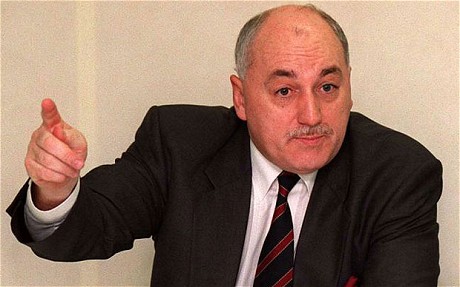
Jim Farley
Cadete was also at the center of another Celtic controversy (though not the cause of it). He arrived in February 1996 and the Boys hoped to see him play against Rangers in the Scottish Cup. Instead, SFA’s Jim Farley deliberately delayed Cadete’s registration, meaning he would not be able to play against Rangers. Mr McCann was furious and pursued the matter for years until the SFA admitted the facts and sacked Mr Farley.
This was not the only dispute between Celtic’s owners and the SFA. A disciplinary action had already been taken regarding Tommy Barnes joining Celtic. Similarly, McCann strongly opposed plans to renovate Hampden Park. He believed there was no need for the National Stadium and that Celtic Park and Ibrox could be used instead.
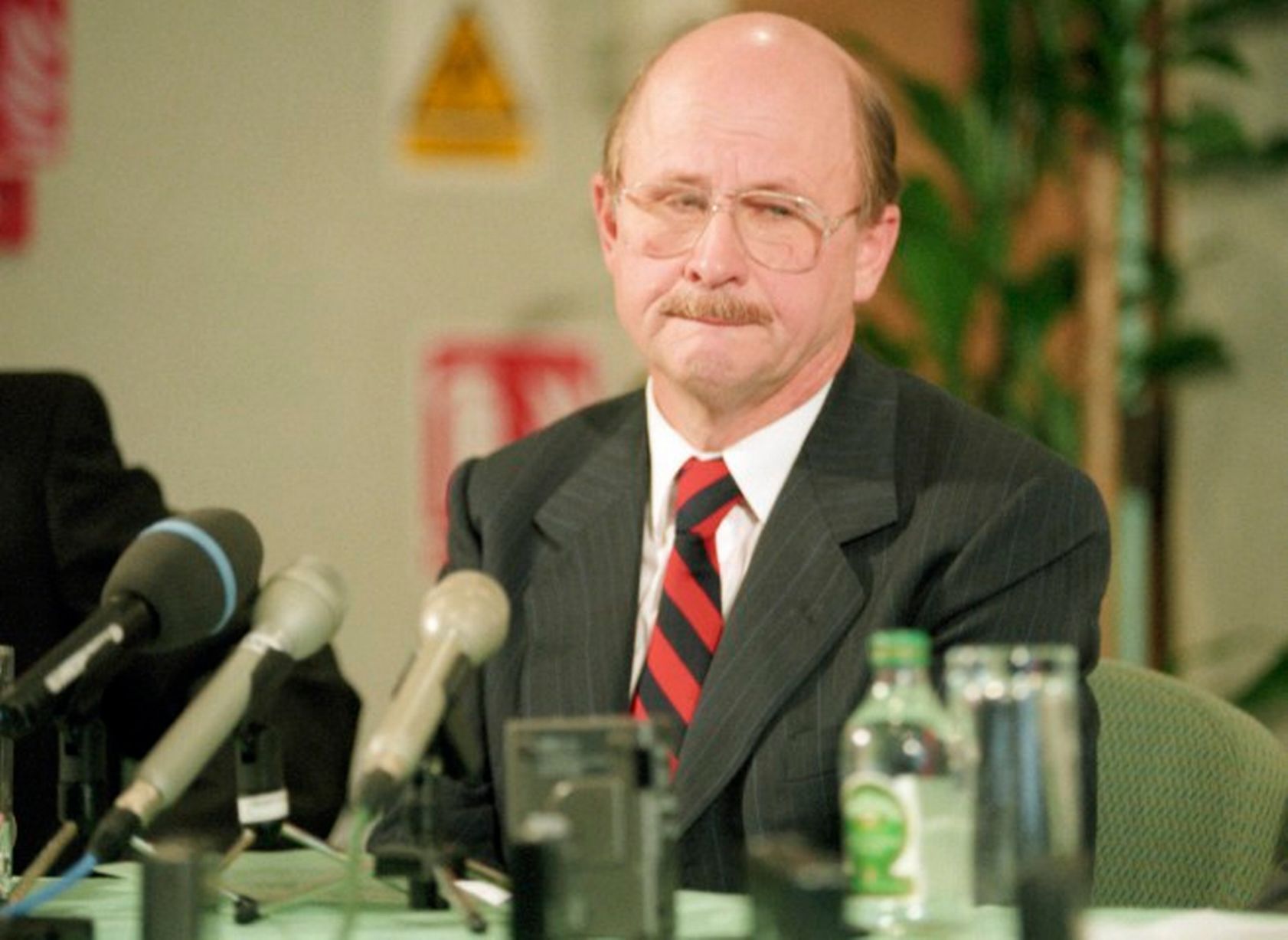
McCann’s relationship with fans was also strained. In addition to complaints about lack of spending, the Bhoys Against Bigotry initiative was launched. This was an attempt by Celtic’s owners to improve the club’s reputation and remove unacceptable chants and songs. However, others believed he was trying to change the club’s links with Ireland, and his wounds continued to cause him problems.
The first half of the McCann administration undermined the Celtic owner’s once heroic status. It remains to be seen whether this will change in later years.
Tune in to The Celtic Star tomorrow to read Part 5 of this five-part series.
Matthew Marr
Have you visited our new site yet? Click on the image and enjoy Celticshorts.com