

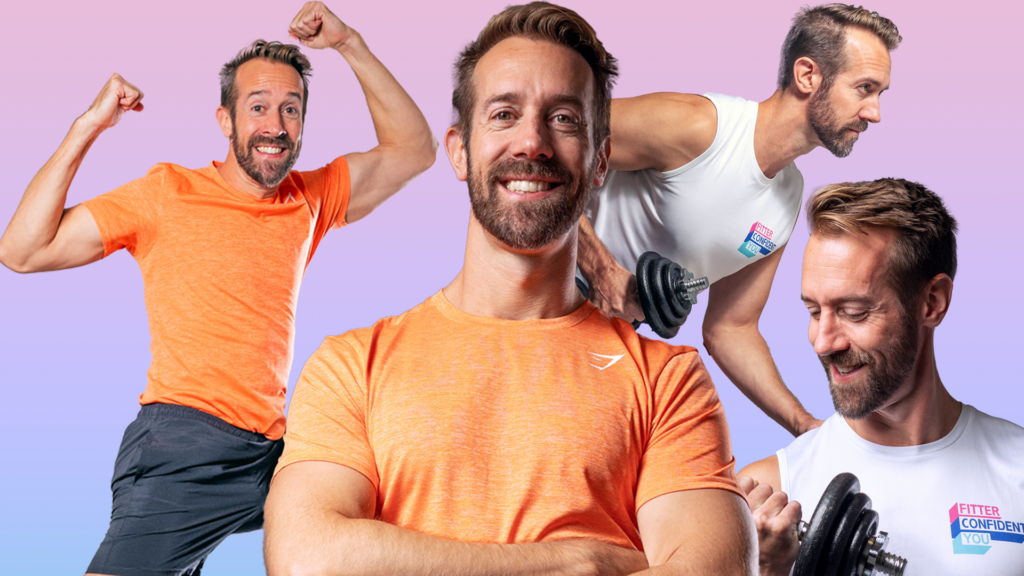
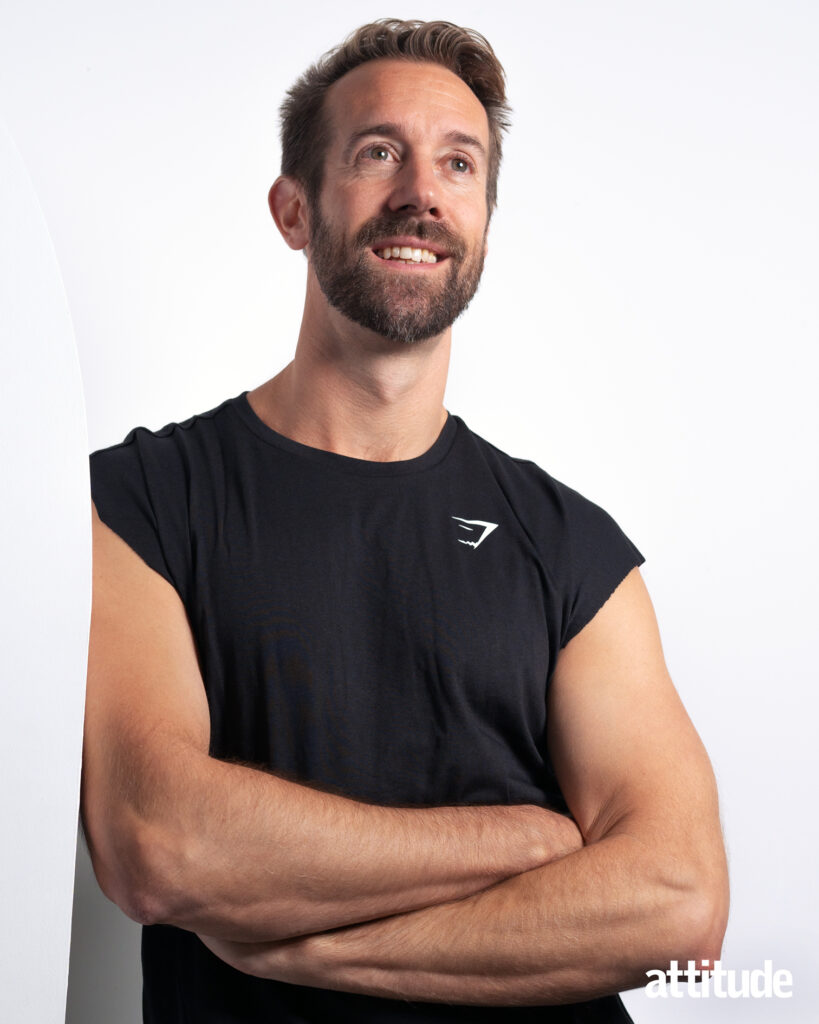
As a gay man passionate about fitness, Matt Boyles, founder and CEO of Fitter Confident You (FCY) revealed that there is a need among queer men for personal trainers who understand them and have similar experiences.
He was also one step ahead of others when he decided to work as a personal trainer in the virtual realm. The pandemic has suddenly forced everyone to do everything from home, including staying healthy. Here he talks about its origins. FCYHe then reveals why he decided to write a fitness book for LGBTQ+ men, and looks back on his time as a DJ in London.
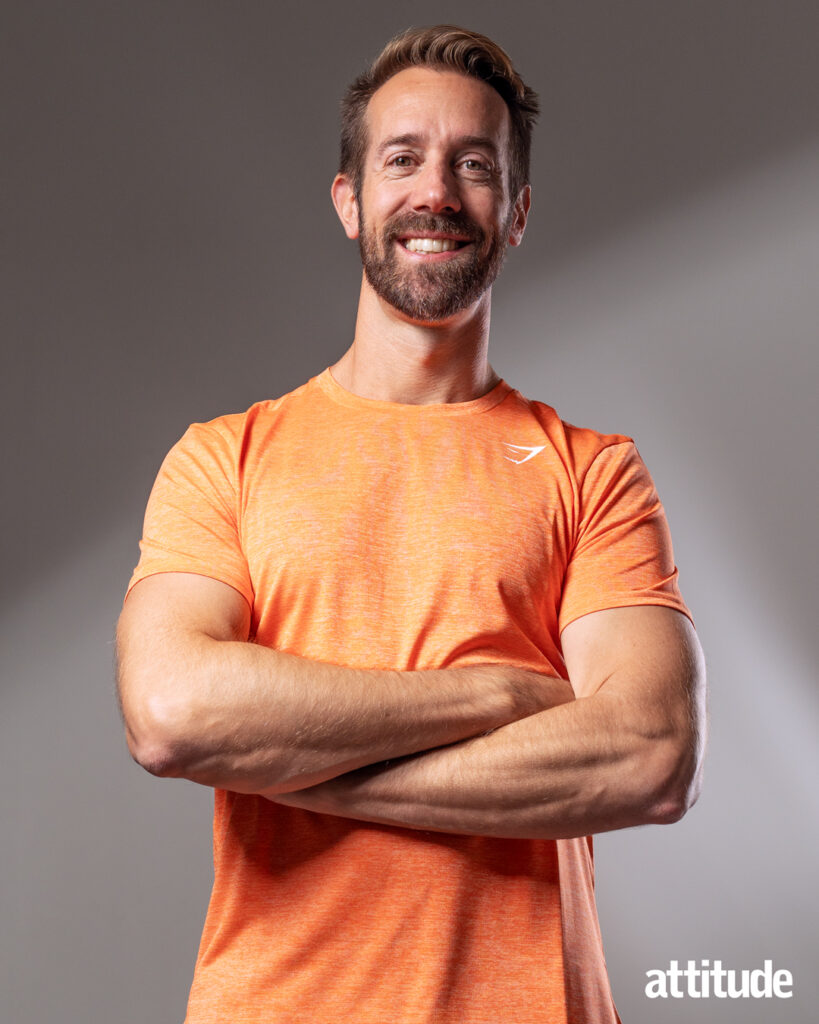
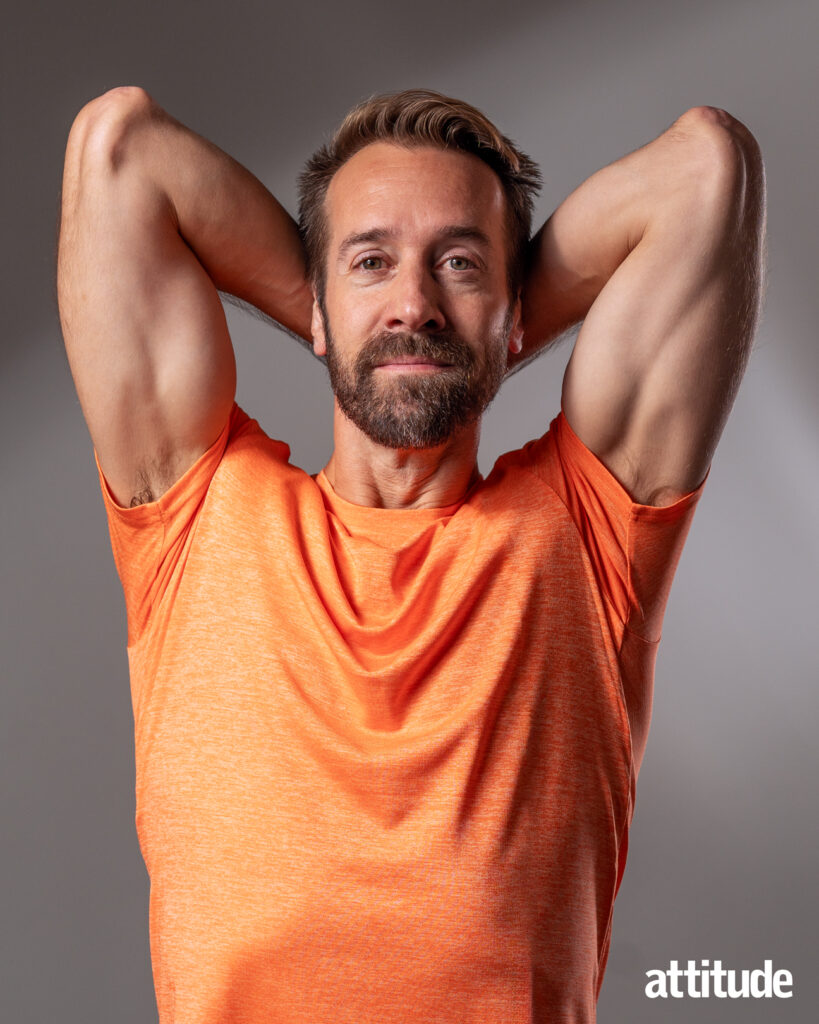
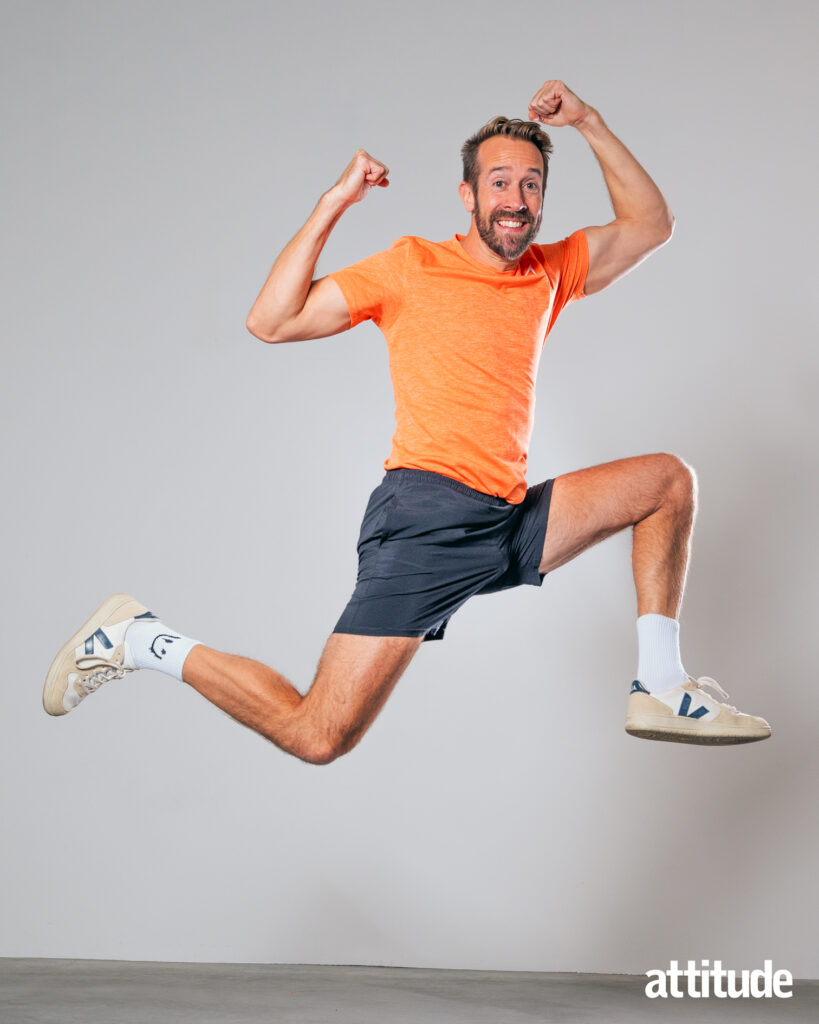
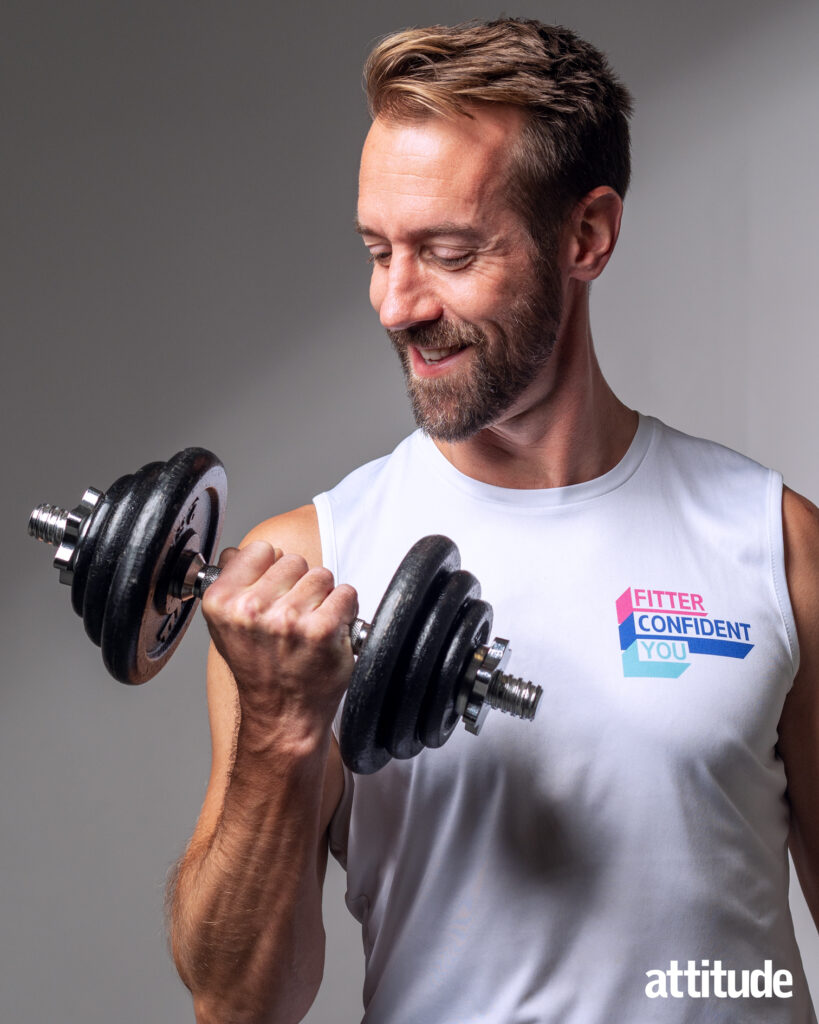
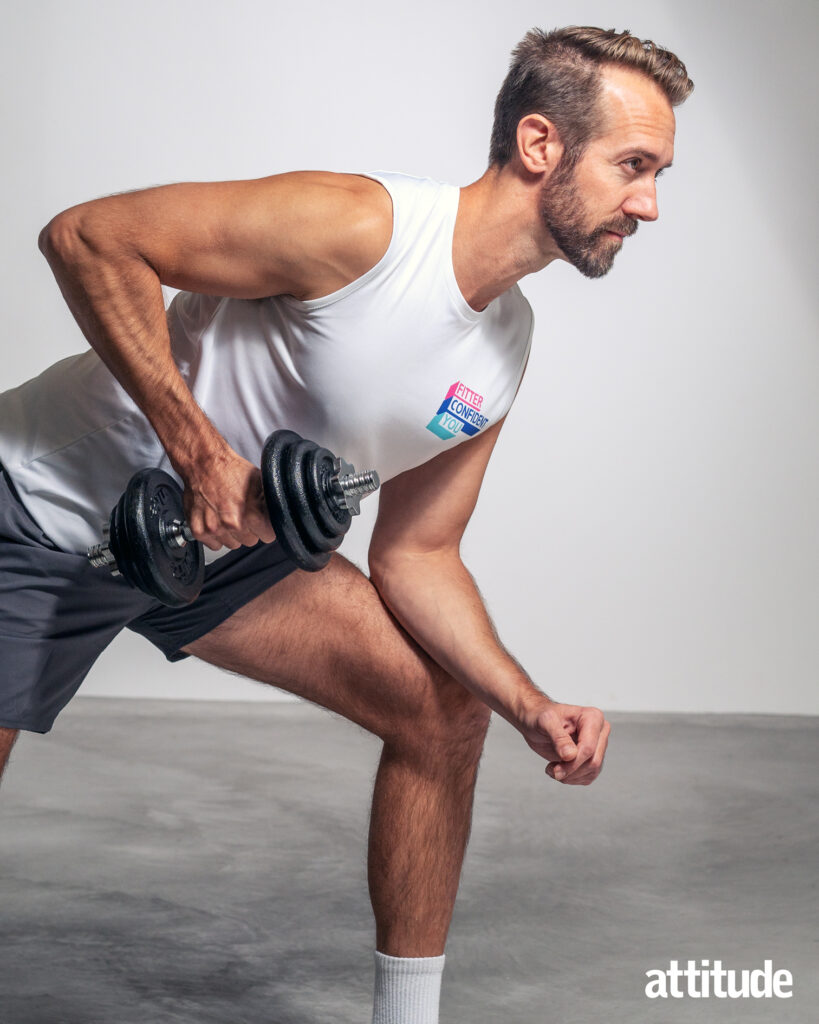
What is FCY? Where did the idea come from?
This is a way for me to wrap my arms around the community and say, “Whatever you want to do with your fitness, it’s okay. There’s no right or wrong way to do something.”
I discovered fitness in my late 20s. When I found my path, my life completely changed. I found my voice, my confidence, my boundaries. And I started a fitness company. For his first five years or so, I was a more traditional trainer. I trained people face-to-face. My approach was, if I can work with anyone, I can work with anyone. This is nonsense because people fail.
About six years ago, I saw the rise of online trainers and wondered if I could create something similar myself. My own fitness journey has coalesced into something amazing that makes me feel better every day. It was like a bolt of lightning. Of course, there are gay, bi, trans, queer men and non-binary people who love this idea. Want to start fitness but don’t know where to start? That was the birth of FCY. I wanted to do something for our community so that they felt as great as I did.
How do you work as a personal trainer?
No matter your fitness level, no matter where you are in the world, no matter your budget, there are many ways to work with me. The first thing I did was start a Facebook group. The group still exists and has approximately 7,000 members. My overall approach is to make fitness fun, inclusive and accessible. That’s the foundation of that community. There is online personal training, which can be done one-on-one with me or my talented coaches, or with group support.
But essentially, the physical component is a workout that can be done at home or in the gym. I have a great app with videos and sensible nutritional guidance that shows you what to do. That’s another key. I don’t want anything to feel excessive. The key words in my approach to training are smart and sustainable. It’s about allowing people to do it on their own terms in that safe space.
What is the key to your method as a personal trainer?
For every PT, it comes down to their personality and what they can leverage. For example, I love pop music and puns. I always talk about finding your tribe, finding people who understand you. They uplift me as much as I want them to uplift me. If you can find someone who understands you, it will be much easier.
Why did you start working virtually before the pandemic?
I experienced five freezing winters on Clapham Common. It honed my skills. But you can only help as many people as you can meet that day. Even on a super busy day, I only met 8 people, which was also quite physically tiring. But even though I only helped those eight people, when I started building the online version, I was able to take a step back and think, “There’s so much more I can do.” That was very exciting.
Have you seen an increase in customers during the pandemic?
It was definitely busier. Early on I came up with the idea of doing free live workouts every day and ended up doing 400 in a row. This is amazing. This has also built a great community and helped me focus even more, so I’m very grateful for that. It was great to be able to use something that could be given away for free to help people feel less alone.
Why focus on queer men?
Because that’s who I am. And I’ve seen so many people struggle with not knowing where to start. The only reason I don’t use “L” very clearly is because I’m not a woman. I have never lived that experience. And I know there are some great lesbian trainers out there. Lesbians believe that you will have a better experience with them. That doesn’t mean I’m turning people away. I just don’t have the expertise.
What made you want to do something like that?
Because we have some great straight trainers who are great allies and understand that. But I have met men who cannot or cannot access parts of their brains to help them understand.
Are queer men’s needs different than straight men’s?
Yes and no. Many straight men also don’t feel comfortable going to the gym. They feel like they don’t belong there. We feel it too. But we have that extra layer of being queer. So while queer men, by no means all, need special support, some feel that they are just as entitled to it emotionally and mentally as any other man. There are many. They pay the same fees as everyone else to go to the gym. It can take up the same amount of space. But that’s the bigger weirdness. Often we feel the need to minimize ourselves and take up less space. It is about helping people understand that they are justified in every way.
How does it feel to create such a collaborative online group?
I’m infinitely proud that I started it, but I’m also proud that people have followed this journey with me and believed that it’s a good thing. Being able to reach out to someone who wants to help is such a gift. I’m using this as an opportunity to show that the LGBTQ+ community doesn’t have to see each other this way. mean girls. It’s about how we support each other, build great bonds, inspire each other and show others what’s possible. We also don’t want to veer off into a toxic positive direction where everything is great. That’s not life. I love that people feel comfortable sharing even when things don’t always go well. It grounds the group. What I love is when the group comes together to offer suggestions on how people can feel better and start again.
What do you do for your own fitness?
I go to a CrossFit gym three or four times a week, but I don’t do CrossFit. There are classes at various levels, including high-intensity classes and strength classes. I really like it because I can go without thinking about it. People ask me what I do for an hour, but I’ve been a member for four years, so all my friends are there. It’s the most amazing community. It’s really inclusive and really LGBTQ+ friendly. Sometimes I go for a run. I only exercise because I love it. It is woven into the fabric of who I am. I work out regularly because I love it, because it makes me feel good, because it helps me sleep better, and because I know it helps me stay healthy.
What do you do for your mental health?
I love meditation. I start my day by sitting quietly for about 10 minutes. Sometimes I use guided meditation, and sometimes I just sit quietly and count my breaths. Really, the fitness I do determines 90% of my mental health. I have great friends and am passionate about personal growth.
Do you have bad days? If so, how do you deal with them?
A few years ago I was definitely guilty of pretending bad days never happened, that toxic positivity. One time, when I hurt my back, I didn’t tell anyone because I was doing something stupid like I should be a role model for good health. But the more honest I am with my clients and everyone, the more people trust me and come along on this journey. Even if I catch a cold, I try to hide it. We know that if you have low energy days, or if you drink alcohol for a few days, your energy will drop. Remembering that and not beating myself up about it really helped me.
What’s next?
I’ve just started the retreat and I’m really looking forward to it. I’ve run once in Italy and once in the UK and it was great. The next one will be in Italy in May, which is even more surprising. I love bringing people together, promoting friendships, and helping people form bonds. These retreats provide an opportunity for like-minded people to put their heads down and think about what they really want to do. What will make me happy? Do I need to change anything?’ They already had some life-changing moments. Then I do some fitness, go for nice walks and experiences, eat some delicious food, and do some yoga. But the beauty and power of a retreat is that it takes you out of real life and allows you to think differently.
What was it like making the book?
It can be a little daunting at first, but you know what’s right for you. We have set a deadline for submission. Submissions began in mid-January 2022 and were submitted at the end of May 2022. I’m very proud of that. I wrote this because it didn’t seem like there was an up-to-date handbook on health and fitness for LGBTQ+ people.
I read on your website that you used to be a DJ. When did you do that?
I love dance music and electronic music. I started in 2007 or 2008. A friend of mine was into his DJ. He said, “Why don’t you do some gigs?” And then he taught me and I started getting gigs. Initially, you need to say that you will sell a certain number of tickets. We did it somewhere in Clapham and the next one was Ministry of Sound. Next is pacha and egg. I still don’t know how I did it. We played it many times all over London and it was really fun. In the end, it ran its course. I wasn’t getting paid, it was just fun.
Did you have a DJ name?
A new sense. And our collective name was “Disposable Thumbs.”
On your site, you define yourself as “Jurassic Park-Watching, dragon’s den-A fitness guru who survives, screams at karaoke, and is obsessed with cottage cheese. ” If he had to choose one thing to keep, which would it be?
Karaoke is about being with friends, it’s about music, and it’s an experience.
The Fitter Confident Youniverse: An LGBTQ+ guide to well-being on terms published
This feature first appeared in Attitude issue 356. You can subscribe and order Attitude. here.